

Businesses, schools, and organizations face unique risks during hurricane season. Besides securing a physical location against storm threats, they need to protect all assets and any occupants inside. From securing windows and doors to selecting the best materials for interior walls and outdoor signage, there is more to consider when planning hurricane protection for a non-residential space, including the best hurricane signage materials and storm-resistant plastic sheets.
Key Takeaways
- Businesses need more than plywood for protection. While affordable, plywood is heavy, single-use, and difficult to install for large storefronts or signage.
- Polycarbonate panels offer superior exterior protection. Ideal for windows and doors, polycarbonate resists high winds, flying debris, and potential post-storm break-ins.
- Expanded PVC strengthens interiors. This water-, mold-, and pest-resistant plastic is excellent for walls and surfaces in high-traffic commercial spaces.
- Choose hurricane-rated signage materials. Acrylic and PVC are durable, weather-resistant options for permanent displays, while corrugated plastic signs should be stored indoors during storms and reused afterward.
- Storm-resistant plastics protect community infrastructure. Schools, hospitals, and municipal buildings benefit from polycarbonate storm windows, protective LED display covers, and expanded PVC as a wood alternative.
- Plastic sheets deliver long-term value. Unlike plywood, storm-resistant plastics are reusable, lightweight, and easy to install and store—making them a more cost-effective solution over time.
- Acme Plastics provides custom, reliable hurricane protection. Businesses and organizations can order bulk quantities, custom cut sizes, and enjoy nationwide delivery for all storm-prep materials.
Why Non-Residential Properties Need More Than Plywood
Plywood is a popular material for homeowners prepping for storms. But businesses have specific challenges (glass storefronts, large signage, public spaces, etc.) that aren’t compatible with plywood. While plywood is inexpensive, readily available, and easy to install, the recommended 5/8” thick plywood sheets for storm protection are heavy. That makes them cumbersome and difficult to install quickly (if at all) if the window or sign is too large. Other disadvantages include plywood’s one-time-only usage and potential for damage to an exterior of a building when removing the wooden panels.
Durable Plastics for Commercial Hurricane Barriers
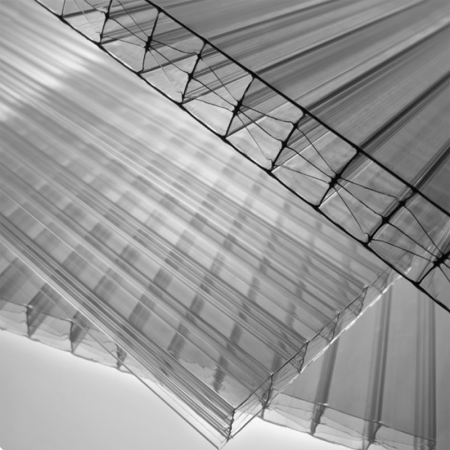
Instead of plywood, polycarbonate and expanded PVC have become the go-to plastics for commercial hurricane barriers. They’re relatively inexpensive and easy to deploy when needed. Here’s how they help, and where they best benefit a building.
For exterior protection, use polycarbonate panels

Polycarbonate panels for windows and doors in retail storefronts and office buildings protect against hurricane force winds and debris. They’re easy to install and stow once the threat is over. In addition, impact-resistant polycarbonate hurricane panels help reduce break-ins and looting activity after a large storm.
For interior protection, use expanded PVC
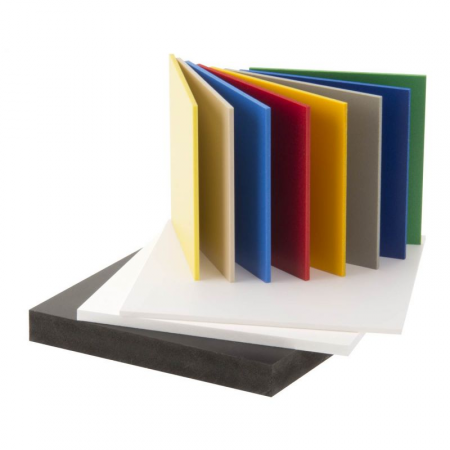
Expanded PVC for interior wall protection in high-traffic areas is a great alternative to plywood, or even more permanent drywall. The material doesn’t absorb water, won’t rot, and is mold- and pest-resistant to help mitigate flood damage and prevent mold growth.
Hurricane Signage Materials That Survives the Storm

Hurricane signage materials are made with durable, wind-resistant materials that will survive a storm. Other signs may be fine for inclement weather but are just no match for a hurricane. In those cases, store portable signs, banners, flags, etc., and secure permanent signage with hurricane-rated anchors. For signs that are best for severe weather, consider the following:
Corrugated plastic is a multilayered material that is waterproof and resistant to wear and tear making it very durable for outdoor use. However, their light- weight won’t stand up to hurricane-force winds. Corrugated plastic items, such as campaign signs, event signage, and directional displays, should be brought indoors to prevent them from being blown away or destroyed during a storm. However, these same signs can be easily placed outdoors immediately after a storm to let people know when you are open for business.
Acrylic is durable and weather-resistant and is popular for branded outdoor displays. It boasts a glass-like appearance, but unlike glass, it won’t shatter from impact. Plus, acrylic won’t rust or corrode like metal signs. Additional benefits include UV resistance, clarity, color retention, and low maintenance.
PVC is resistant to water, mold, and UV rays (when treated with a UV-resistant coating). It is also very versatile and popular for branded outdoor displays. It can be available in various shapes, sizes, and colors to showcase your branding.
Protecting Community Infrastructure

Schools, hospitals, and municipal buildings benefit from using storm-resistant plastic sheets and hurricane signage materials to mitigate storm damage. Here are a few ways they can do so:
Storm windows: Polycarbonate windows are 17 times stronger than glass while still having a translucent clarity. Polycarbonate is impact-resistant, but if the plastic does sustain an impact from debris, it will crack, not shatter into shards that can pose a safety risk for people. Another benefit is that there is no storm prep as they are already in place.
Covers for LED displays: An LED display that is not rated for hurricane-force winds should be turned off and covered with a storm-resistant plastic sheet to protect it from winds and debris.
Alternative to wood: In case of a breach, utilizing expanded PVC for wood replacement, signage, shelving, and more can mitigate storm damage from wind and water. Expanded PVC is lightweight, durable (water, mold and pest resistant), chemical and corrosion resistant, and provides good resistance to UV light and wear and tear.
Long-Term Value: Reusable, Lightweight, and Easy to Deploy
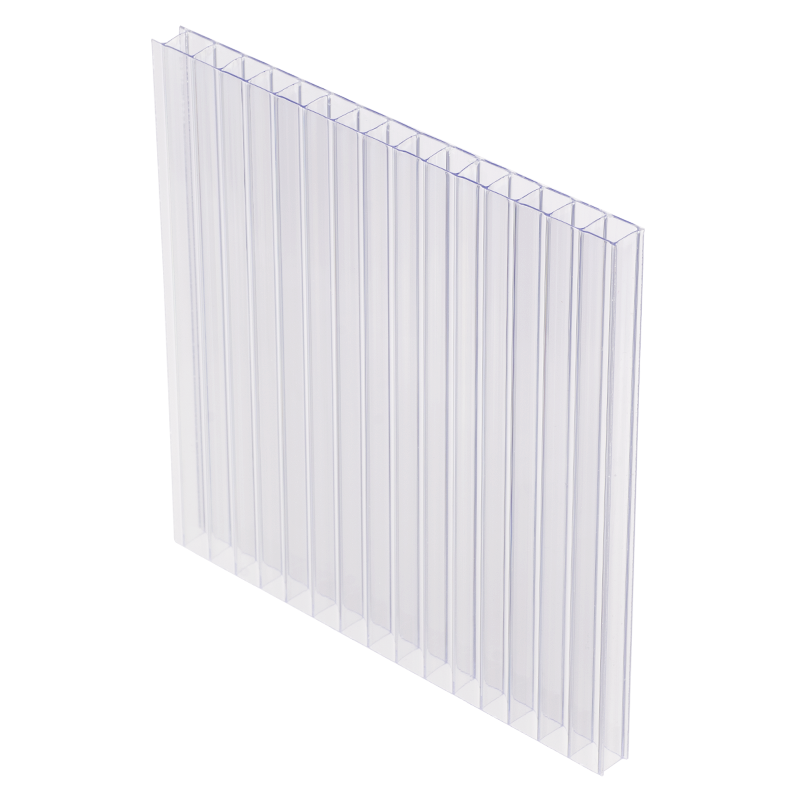
Storm-resistant plastic sheets are more cost-effective than metal or wood for repeat storm events and hold that value over the long term. And that’s taking into account the higher cost of plastic sheets compared to plywood. Here are three reasons why:
Plastic sheets are reusable: Plywood warps when it is wet and splinters on impact, so it only works once for storm mitigation. Polycarbonate is durable and can last for decades with minimal maintenance.
Plastic sheets are lightweight: Compared to plywood, polycarbonate is five times lighter than plywood. Polycarbonate plastic storm panels are easy to handle, so they can be cut to size, are easy to install, and easy to remove and store.
Plastic sheets are easy to deploy: In addition to being lightweight, an anchoring system makes plastic storm panels easy to deploy quickly before a storm and remove afterward for storage.
Prepare Your Business or Organization with Acme Plastics
Your business is your livelihood. Our business will help you find the best hurricane prep to protect yours. Acme Plastics offers bulk ordering, custom cut sizes, and nationwide delivery of hurricane signage materials and storm-resistant plastic sheets. Contact us today to explore all of our options for hurricane protection.
