Choosing the Right Plastic Sheet for Summer Renovations


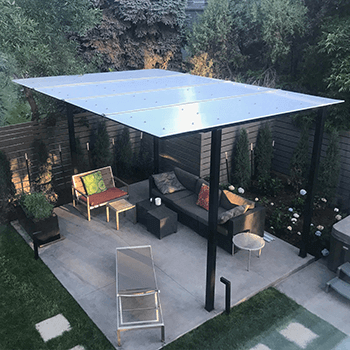
pergola

Summer is one of the most popular times of the year for home improvement projects. From outdoor living upgrades and garage organization to window replacements and backyard renovations, warmer weather creates ideal conditions for construction and remodeling. Choosing the right plastic sheet for summer renovations can make a significant difference in the appearance, durability, and long-term performance of your project for years to come.

Firstly, plastic sheets have become a popular alternative to traditional materials like glass, wood, and metal because they are lightweight, durable, easy to fabricate. Thus, they are available in a wide range of colors, thicknesses, and performance characteristics. However, not every plastic sheet is suited for every application.

This guide explores some of the most popular plastic sheet materials and how to choose the right one for your summer renovation project.

Key Takeaways

  • Summer renovations often require materials that can withstand heat, sunlight, moisture, and daily wear.
  • Plastic sheets offer a lightweight, durable, and versatile alternative to traditional materials like glass, wood, and metal.
  • Acrylic sheets provide excellent clarity, UV resistance, and visual appeal, making them ideal for windows, greenhouse panels, and decorative applications.
  • Polycarbonate sheets deliver exceptional impact resistance and are well-suited for storm-prone areas, patio covers, and protective barriers.
  • Expanded foam PVC sheets resist moisture, chemicals, and corrosion, making them a strong choice for garages, utility rooms, outdoor kitchens, and other damp environments.
  • HDPE sheets offer long-term durability, weather resistance, and low maintenance for outdoor furniture, landscaping, and recreational structures.
  • UV exposure should be a primary consideration when selecting materials for outdoor summer projects.
  • Impact resistance is especially important for projects exposed to severe weather, heavy use, or potential damage.
  • Moisture-prone areas benefit from water-resistant materials such as Expanded foam PVC and HDPE that won’t rot, swell, or absorb water.
  • Matching the material’s performance characteristics to the project’s specific requirements helps maximize longevity and value.
  • Plastic sheets are available in a variety of colors, thicknesses, and finishes, allowing for both functional and decorative applications.
  • Choosing the right plastic sheet can improve durability, reduce maintenance, and help ensure a successful summer renovation project.

Continue reading Choosing the Right Plastic Sheet for Summer Renovations

Preparing for Hurricane Season in Miami with Polycarbonate Twinwall and Multiwall Sheets


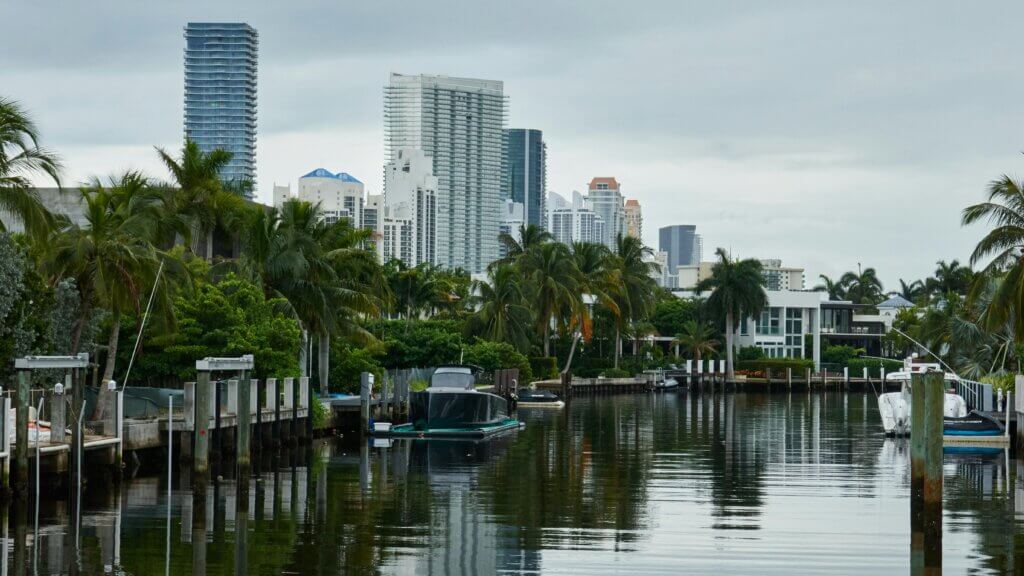
Hurricane season in Miami brings intense weather conditions that can challenge homes, businesses, and commercial facilities alike. For those preparing with polycarbonate twinwall sheets Miami, strong winds, heavy rain, and airborne debris make selecting durable, weather-resistant materials essential well before storm activity develops.

When evaluating materials for outdoor projects and weather-exposed applications, durability and performance matter. Polycarbonate twinwall and multiwall sheets offer lightweight, yet durable solutions designed to withstand demanding environments while providing long-term weather resistance and versatility.

For Miami property owners and contractors, these materials may help support projects that require strength, insulation, and dependable outdoor performance during hurricane season and beyond.

Key Takeaways

  • Miami hurricane season brings strong winds, heavy rain, and moisture exposure, making durable outdoor materials an important consideration.
  • Polycarbonate twinwall and multiwall sheets offer a lightweight yet durable solution for weather-exposed projects.
  • The chambered design provides a balance of strength, insulation, and light transmission.
  • Polycarbonate sheets are valued for their impact resistance and long-term outdoor durability.
  • Twinwall and multiwall sheets resist moisture and are designed to perform in changing weather conditions.
  • Lightweight construction supports easier handling and installation compared to heavier materials.
  • Common applications include patio covers, pergolas, greenhouses, canopies, roofing, and outdoor enclosures.
  • Choosing the right thickness and configuration helps support long-term project performance.
  • Preparing outdoor spaces before hurricane season can help property owners and businesses plan more effectively.
  • Acme Plastics offers polycarbonate twinwall and multiwall sheet solutions for residential, commercial, and industrial applications.

Continue reading Preparing for Hurricane Season in Miami with Polycarbonate Twinwall and Multiwall Sheets

Twinwall Polycarbonate Pergolas: The Ultimate Summer Upgrade for Outdoor Living

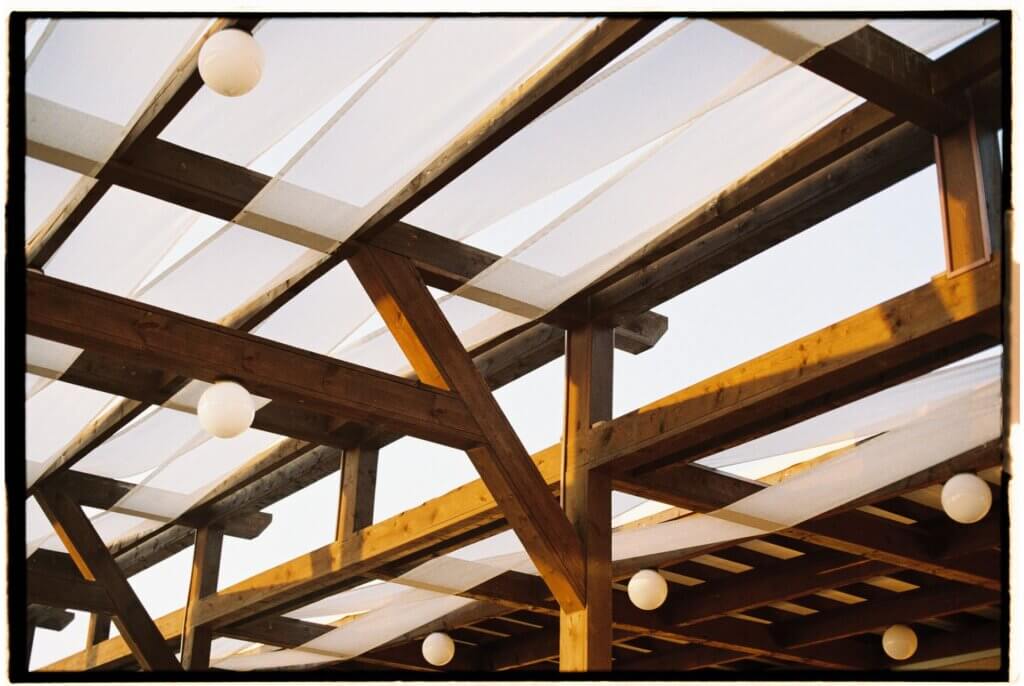
Top Pergola Lighting Ideas for Evenings Outdoors

Summer is the season for outdoor entertaining, relaxing evenings, backyard dining, and making the most of the good weather. But intense heat, harsh UV rays, and unpredictable weather can quickly make patios and decks uncomfortable. That’s where twinwall polycarbonate pergolas offer a smart, modern solution.

Combining durability, light diffusion, UV protection, and sleek aesthetics, twinwall polycarbonate sheets are becoming a go-to material for pergola roofing in both residential and commercial outdoor spaces alike. In addition, whether you’re upgrading a backyard retreat, enhancing a restaurant patio, or designing a shaded lounge area, twinwall polycarbonate helps create a comfortable environment without sacrificing natural light. As a result, these versatile panels continue to gain popularity for modern outdoor designs.

Key Takeaways: Twinwall Polycarbonate Pergolas for Summer

  • Twinwall polycarbonate pergolas provide a balance of sunlight and shade, creating cooler and more comfortable outdoor spaces during summer.
  • The multi-wall design helps reduce heat transfer while still allowing natural light to pass through.
  • Built-in UV protection helps block harmful rays while protecting outdoor furniture, cushions, and décor from fading.
  • Twinwall polycarbonate is lightweight yet highly durable, making it resistant to cracking, warping, and weather damage.
  • These pergola panels are lower maintenance compared to fabric covers, wood slats, or metal roofing systems.
  • Twinwall polycarbonate works well for both residential and commercial applications, including patios, poolside lounges, outdoor kitchens, restaurants, and rooftop spaces.
  • Available in multiple finishes such as clear, bronze, and opal, the material offers flexibility for different design aesthetics and sun-control needs.
  • The material pairs easily with aluminum, wood, steel, and composite pergola framing systems.
  • Commercial businesses can use twinwall pergolas to extend outdoor seating areas while improving guest comfort during warmer months.
  • Acme Plastics offers a variety of twinwall polycarbonate sheet options suitable for pergola and outdoor living projects.

Continue reading Twinwall Polycarbonate Pergolas: The Ultimate Summer Upgrade for Outdoor Living

Our Website Prices Are Stable: Here’s Why That Matters

In today’s market, price increases have become the norm. Across a plethora of industries, businesses are adjusting to rising material costs, supply chain challenges, and broader economic pressures. As a result, customers are seeing it everywhere: higher prices, added fees, and shifting quotes—making Acme Plastics pricing stability more important than ever.

At Acme Plastics, we’re taking a different approach. Our commitment to Acme Plastics pricing stability means our website prices remain unchanged, for now.

Key Takeaways

  • Prices are rising across the plastics industry due to material, transportation, and inflation pressures
  • Acme Plastics is keeping website pricing stable—for now
  • Customers benefit from consistent, transparent pricing with no surprises
  • Stable pricing supports better budgeting, quoting, and project planning
  • Now is a strategic time to purchase materials before potential increases
  • Acme Plastics is committed to clear communication if pricing changes occur
  • The company prioritizes being a reliable, long-term partner for customers

Continue reading Our Website Prices Are Stable: Here’s Why That Matters

Why Twinwall Polycarbonate Greenhouse Panels Deliver More Predictable Growing Results

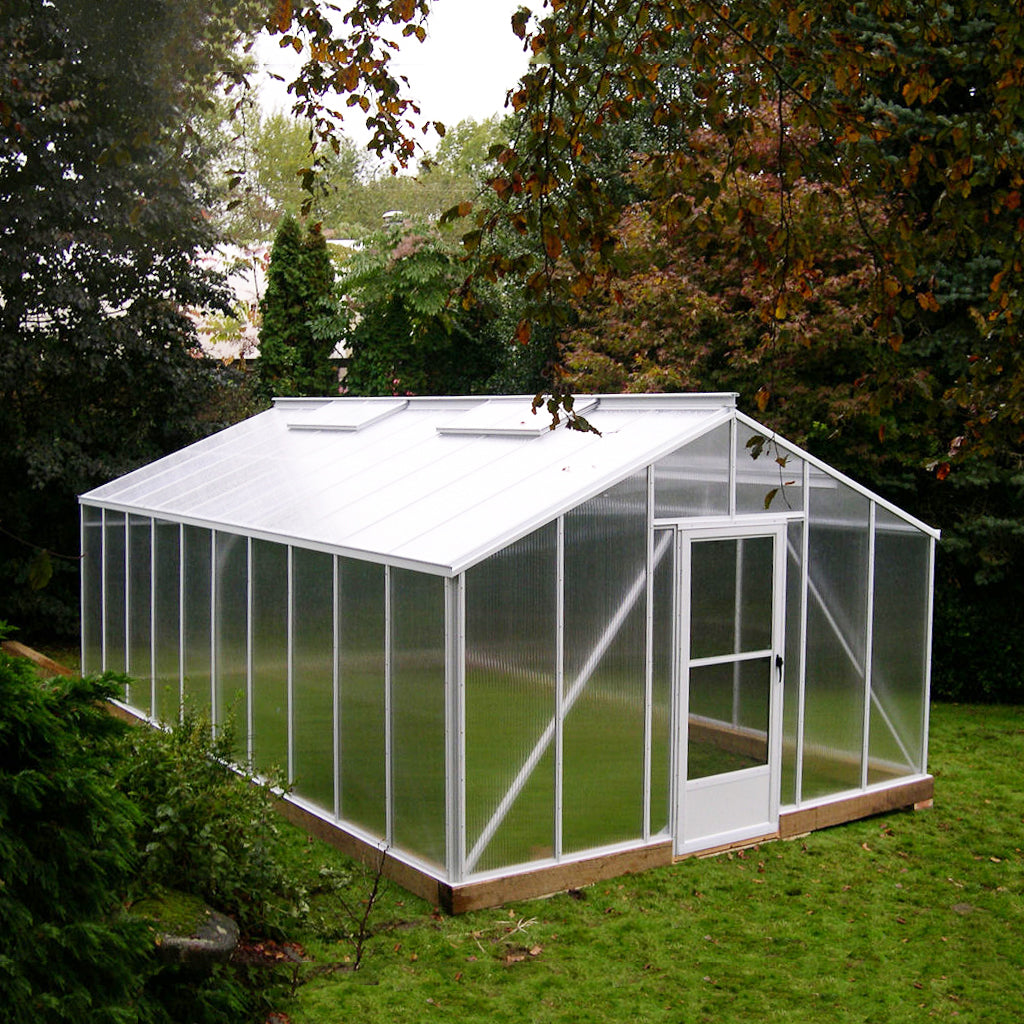
Twinwall polycarbonate green house

From trendy Victorian styles exuding old-world charm to Zen-inspired builds creating harmony with the environment to minimalist designs that deliver a functional simplicity, greenhouses are transforming into stunning architectural spaces. But at the end of the day, a greenhouse needs to be more than an aesthetic structure to yield successful plants. It needs to deliver environmental control to manage temperature swings and uneven light to counteract rising energy costs. The solution lies in the material used for the build. Twinwall polycarbonate greenhouse panels are a cost-effective solution as they have thermal insulation and diffuse light to create consistent, even conditions for plant growth. Compared to glass and acrylic, twinwall polycarbonate greenhouse panels will help achieve the consistency and efficiency a grower is looking for.

Key Takeaways

  • Greenhouse performance depends on material choice. Twinwall polycarbonate greenhouse panels outperform glass and single-wall plastics by delivering more consistent temperature control and light distribution.
  • Light diffusion matters more than clarity. Twinwall polycarbonate diffuses sunlight to eliminate hotspots and shadows, supporting healthier, more uniform plant growth and improved yields.
  • Superior thermal insulation reduces energy costs. With up to 60% better insulation than glass, twinwall polycarbonate helps retain heat in winter and resist overheating in summer, lowering heating and cooling expenses.
  • Built for durability and real-world conditions. Twinwall polycarbonate is impact-resistant, weather-tough, UV-protected, and far less prone to cracking, shattering, or degradation than glass.
  • Lower long-term costs beyond the panels themselves. Lightweight construction reduces shipping, labor, and framing requirements while making installation easier for DIY and commercial builds.
  • Flexible for custom greenhouse designs. Panels can be cut, drilled, cold-bent, and used with multiple framing materials, making them ideal for backyard, commercial, and research greenhouses.
  • Choosing the right thickness is critical. Panel thickness should align with climate, structure size, and usage—expert guidance helps ensure long-term performance and reliability.

Continue reading Why Twinwall Polycarbonate Greenhouse Panels Deliver More Predictable Growing Results

Twinwall Polycarbonate Panels for Spring Greenhouses and Pergolas

People stand before a greenhouse entrance filled with flowers.

Spring not only brings the perfect conditions to plant flowers, fruits, and vegetables. Its warmer temperatures and longer daylight hours provide optimal conditions for building or upgrading outdoor structures, such as greenhouses and pergolas, too. If you’re a homeowner, gardener, or contractor preparing greenhouses and pergolas for the upcoming growing season, you’ll need to consider your building materials. Choosing materials that balance light, durability, and insulation will be beneficial for plant growth. That’s where twinwall polycarbonate panels come in. They are a versatile solution for spring projects: they are translucent, have good thermal properties, and allow high light transmission for plants. Here, we discuss the material and why they are a superb choice for these Springtime builds.

Key Takeaways: Spring Is the Season to Build

  • Spring offers ideal building conditions for greenhouses, pergolas, and patio covers thanks to longer daylight hours and milder temperatures.
  • Twinwall polycarbonate panels are a smart material choice for spring builds, balancing high light transmission, durability, and thermal insulation.
  • The multi-wall design diffuses sunlight, reducing hotspots and promoting healthier, more consistent plant growth compared to glass or acrylic.
  • Built-in air pockets provide superior insulation, offering up to 60% more thermal efficiency than glass and helping maintain stable greenhouse temperatures.
  • Twinwall panels are impact- and weather-resistant, standing up to hail, wind, and temperature swings without shattering.
  • For pergolas and patio covers, twinwall panels deliver bright shade, allowing natural light while minimizing heat and glare.
  • UV-resistant coatings protect people, plants, and furnishings while preventing yellowing and material degradation over time.
  • Lightweight and easy to install, twinwall polycarbonate works with wood, aluminum, or steel framing—ideal for both DIY and professional builds.
  • Panel thickness matters: thinner panels suit backyard greenhouses, while thicker panels perform best for pergolas, sheds, and commercial structures.
  • Choosing a reliable supplier like Acme Plastics ensures quality, access to multiple thicknesses, cut-to-size options, and expert guidance for spring projects. Continue reading Twinwall Polycarbonate Panels for Spring Greenhouses and Pergolas

Boosting Energy Efficiency in Data Centers with Twinwall Polycarbonate Containment Panels

Advances in AI technology are driving the growth of data centers, but they’ve been around for decades to host servers, data storage, and network equipment. Data centers are the most energy-intensive building type, according to the U.S. Department of Energy. A 2024 United States Data Center Energy Usage Report, released by the U.S. Department of Energy, found domestic energy usage from data centers expected to double or triple by 2028. The report finds that data centers consumed about 4.4% of total U.S. electricity in 2023 and are expected to consume approximately 6.7 to 12% of total U.S. electricity by 2028.Data center containment plastics like twinwall polycarbonate can support better cooling efficiency.

Boasting excellent thermal properties, superior impact resistance, light weight and safety, they work to maximizes uptime and reduce cooling time for the servers and IT equipment.

Key Takeaways for Data Center Efficiency

  • AI Growth Drives Higher Energy Demand: As artificial intelligence technology expands, U.S. data center energy usage is projected to double or triple by 2028—making energy efficiency a top priority for facility managers.
  • Boost Cooling Performance with Containment Plastics: Hot and cold aisle containment systems made with twinwall polycarbonate prevent air mixing and can cut cooling energy costs by up to 30%, improving overall data center performance.
  • Why Twinwall Polycarbonate Is the Smart Choice: This lightweight, durable, and flame-rated plastic offers better insulation and impact resistance than glass or metal, ensuring safer and more efficient data center operation.
  • Meet Safety and Compliance Standards: Twinwall polycarbonate sheets comply with NFPA 75 and 76 fire safety standards, supporting both temperature control and fire protection for critical IT equipment.
  • Sustainable and Cost-Effective ROI: Long-lasting and low-maintenance, twinwall polycarbonate delivers measurable energy savings and quick return on investment, helping data centers operate smarter and more sustainably.
  • Partner with Acme Plastics: Explore flame-rated twinwall polycarbonate panels in custom sizes and finishes from Acme Plastics to build safer, more energy-efficient data centers.

Continue reading Boosting Energy Efficiency in Data Centers with Twinwall Polycarbonate Containment Panels

The Best Hurricane Signage Materials and Non-Residential Barrier Solutions

Hurricane Prep Materials

Businesses, schools, and organizations face unique risks during hurricane season. Besides securing a physical location against storm threats, they need to protect all assets and any occupants inside. From securing windows and doors to selecting the best materials for interior walls and outdoor signage, there is more to consider when planning hurricane protection for a non-residential space, including the best hurricane signage materials and storm-resistant plastic sheets.

Key Takeaways

  • Businesses need more than plywood for protection. While affordable, plywood is heavy, single-use, and difficult to install for large storefronts or signage.
  • Polycarbonate panels offer superior exterior protection. Ideal for windows and doors, polycarbonate resists high winds, flying debris, and potential post-storm break-ins.
  • Expanded PVC strengthens interiors. This water-, mold-, and pest-resistant plastic is excellent for walls and surfaces in high-traffic commercial spaces.
  • Choose hurricane-rated signage materials. Acrylic and PVC are durable, weather-resistant options for permanent displays, while corrugated plastic signs should be stored indoors during storms and reused afterward.
  • Storm-resistant plastics protect community infrastructure. Schools, hospitals, and municipal buildings benefit from polycarbonate storm windows, protective LED display covers, and expanded PVC as a wood alternative.
  • Plastic sheets deliver long-term value. Unlike plywood, storm-resistant plastics are reusable, lightweight, and easy to install and store—making them a more cost-effective solution over time.
  • Acme Plastics provides custom, reliable hurricane protection. Businesses and organizations can order bulk quantities, custom cut sizes, and enjoy nationwide delivery for all storm-prep materials. Continue reading The Best Hurricane Signage Materials and Non-Residential Barrier Solutions

Why Polycarbonate Storm Panels Are the Gold Standard for Hurricane Protection


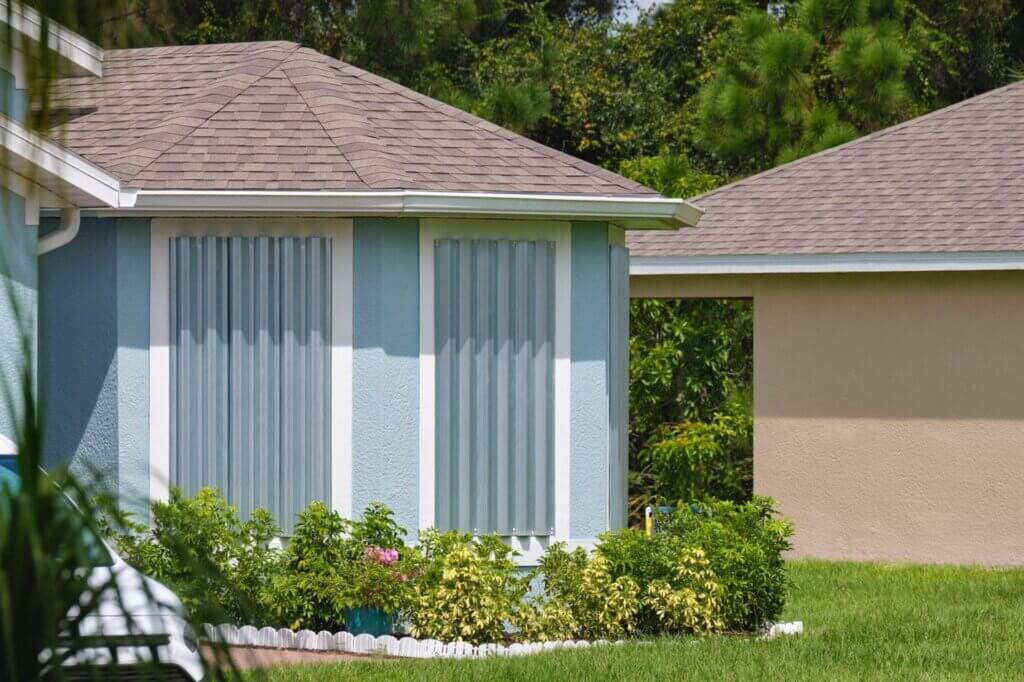
Hurricane Protection


With an average of 14 storms each year, hurricane season brings the threat of forceful winds and torrential rain that can result in widespread devastation. Polycarbonate storm panels can help protect windows and doors from the destruction caused by these severe storms. The thermoplastic is not the only material that can withstand those dangers, but for many structures, it’s the gold standard.

When considering your options for protection, there are three materials to choose from: metal, plywood, and polycarbonate storm panels. All three materials are effective but have distinct advantages and disadvantages. While plywood is inexpensive, it can only be used one time; metal shutters can corrode and rust from repeated storms; and polycarbonate can be costly and is prone to scratching. That said, hurricane protection plastics, such as 16 mm polycarbonate, have advantages over the competition, including:

  • Impact resistance – Polycarbonate hurricane panels can withstand winds in excess of 155 miles per hour and impacts from airborne projectiles. This protects the structure from interior damage due to wind and water.
  • Durability – Polycarbonate is resistant to moisture, corrosion, and UV rays, keeping its structural integrity intact for decades.
  • Lightweight – The lightweight panels are easy to handle, allowing them to be installed quickly by a homeowner. Their weight also makes them a great choice for larger windows and doors.
  • Light transmission – The material’s translucency allows light to filter through. That’s beneficial when storm preparation occurs days leading up to a storm as well as potential power outages during a storm.

Key Takeaways

  • Hurricane season averages 14 storms per year, bringing high winds and heavy rain that can cause major damage.
  • Polycarbonate storm panels are one of the strongest, longest-lasting options compared to plywood and metal.
  • They offer impact resistance against winds over 155 MPH and flying debris.
  • Durable and weather-resistant: won’t warp, rust, corrode, or yellow from UV exposure.
  • Lightweight and translucent, making them easy to install and allowing natural light to filter through.
  • Proven performance: Miami-Dade County Hurricane tested for missile impact and 170 MPH winds.
  • Outlasts plywood and metal barriers, with minimal maintenance required.
  • Useful for residential and commercial properties—including retail, schools, offices, shelters, and historic sites.
  • Provide long-term cost savings, since panels can be reused for decades.
  • Approved for direct mount installation in Florida and Miami-Dade, saving on framing and labor costs. Continue reading Why Polycarbonate Storm Panels Are the Gold Standard for Hurricane Protection

5 Reasons to Use Twinwall Polycarbonate Greenhouse Panels


Greenhouse twinwall panels

Whether you are a horticulturist or a newbie gardener, there are a variety of materials to consider when constructing a greenhouse—glass, fiberglass, acrylic, and polycarbonate—but the most common choices are polycarbonate or glass. A great greenhouse material not only provides light transmission, insulative properties, and weather-resistance, but it should be easy to install and maintain. While glass is sturdy and provides superior optical clarity, it can shatter from impacts and requires professional installation due to its weight. Instead, consider twinwall polycarbonate as a modern, durable alternative. The thermoplastic meets the demands for greenhouses—light transmission, insulation, exceptional strength making it virtually indestructible—and its light weight makes it easy to install and it’s even easier to maintain. Here, we discuss five reasons why twinwall polycarbonate greenhouse panels are the best choice for durable greenhouse structures.

Continue reading 5 Reasons to Use Twinwall Polycarbonate Greenhouse Panels

Hurricane Storm Panels: Multiwall Polycarbonate vs. Aluminum vs. Plywood

Hurricane storm panels on a home

When it comes to protecting your home with hurricane storm panels, you have a few options: multiwall polycarbonate, aluminum, and plywood. Your decision will come down to some key considerations: strength, durability, ease of installation, budget, etc. We compare these top three materials used for hurricane protection to help you find the right protection for you.

Regardless of which materials hurricane storm panels you ultimately purchase, you want a product or system that has been tested and certified as passing one of the large missile (i.e. 9-lb 2×4 wood member striking end on at a specified impact speed) impact-resistant standards. See Local and National Standards to get more information on the various test standards and performance requirements.

Continue reading Hurricane Storm Panels: Multiwall Polycarbonate vs. Aluminum vs. Plywood

How to Install Multiwall Polycarbonate Hurricane Panels


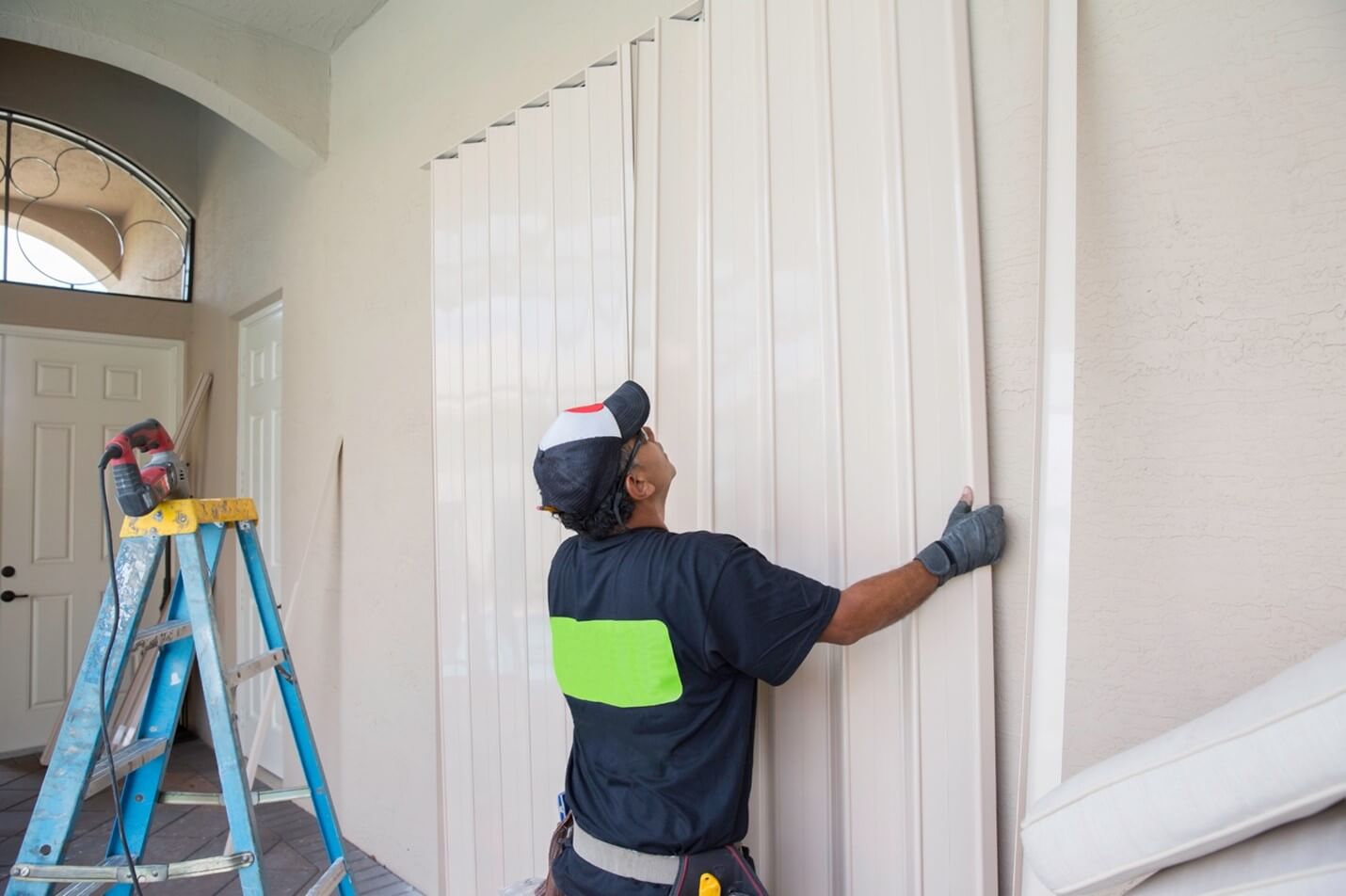
A man installing hurricane panels on his home

If you’ve used plywood to protect your home from hurricanes in the past, hurricane panel installation using multiwall polycarbonate is a doable DIY. Like plywood, polycarbonate hurricane panels can be direct mounted to your home without the use of installing a framing system, but they are lighter, transparent, and can be reused. Here’s what you need to know (about tools, materials, and maintenance) and how to install hurricane panels.

Continue reading How to Install Multiwall Polycarbonate Hurricane Panels

Multiwall Polycarbonate Hurricane Panels: The Ultimate Defense Against Hurricane


Installation of hurricane panels

Hurricanes are the costliest weather disasters in the United States. According to the NOAA Office for Coastal Management, tropical cyclones (hurricanes) have caused over $1.3 trillion in damages from storms that occurred between the years 1980 and 2023.

Hurricane hazards, including high-velocity winds and torrential rain, are extremely destructive and pose risks to both life and property. If you live or own property in a hurricane-prone area, FEMA recommends you reinforce, strengthen, or retrofit the property to reduce the risk of damage. Having the proper protection in place to board up glass windows and doors is one essential and provides peace of mind if you need to evacuate. An effective material to help defend your home from damage is multiwall polycarbonate hurricane panels. Below, we discuss what they are and how they can help.

Continue reading Multiwall Polycarbonate Hurricane Panels: The Ultimate Defense Against Hurricane

How to Install a Pergola Using Twinwall


Twinwall pergola installed in a backyard

When it comes to extending the life of your pergola and enhancing its features, it’s crucial to carefully choose the quality of the materials you use to build it. Twinwall polycarbonate panels from Acme Plastics are an excellent, durable choice for your pergola roof, as they are lightweight, easy to install, and offer optimal light transmission. Twinwall polycarbonate is also thermally efficient because it traps air between the layers of its sheeting. While it offers many benefits, you need to be cautious when learning how to install a pergola roof panel properly. Below is a comprehensive guide on how to install a pergola roof with Twinwall panels from Acme Plastics.

Continue reading How to Install a Pergola Using Twinwall