Summer is one of the most popular times of the year for home improvement projects. From outdoor living upgrades and garage organization to window replacements and backyard renovations, warmer weather creates ideal conditions for construction and remodeling. Choosing the right plastic sheet for summer renovations can make a significant difference in the appearance, durability, and long-term performance of your project for years to come.
Firstly, plastic sheets have become a popular alternative to traditional materials like glass, wood, and metal because they are lightweight, durable, easy to fabricate. Thus, they are available in a wide range of colors, thicknesses, and performance characteristics. However, not every plastic sheet is suited for every application.
This guide explores some of the most popular plastic sheet materials and how to choose the right one for your summer renovation project.
Key Takeaways
- Summer renovations often require materials that can withstand heat, sunlight, moisture, and daily wear.
- Plastic sheets offer a lightweight, durable, and versatile alternative to traditional materials like glass, wood, and metal.
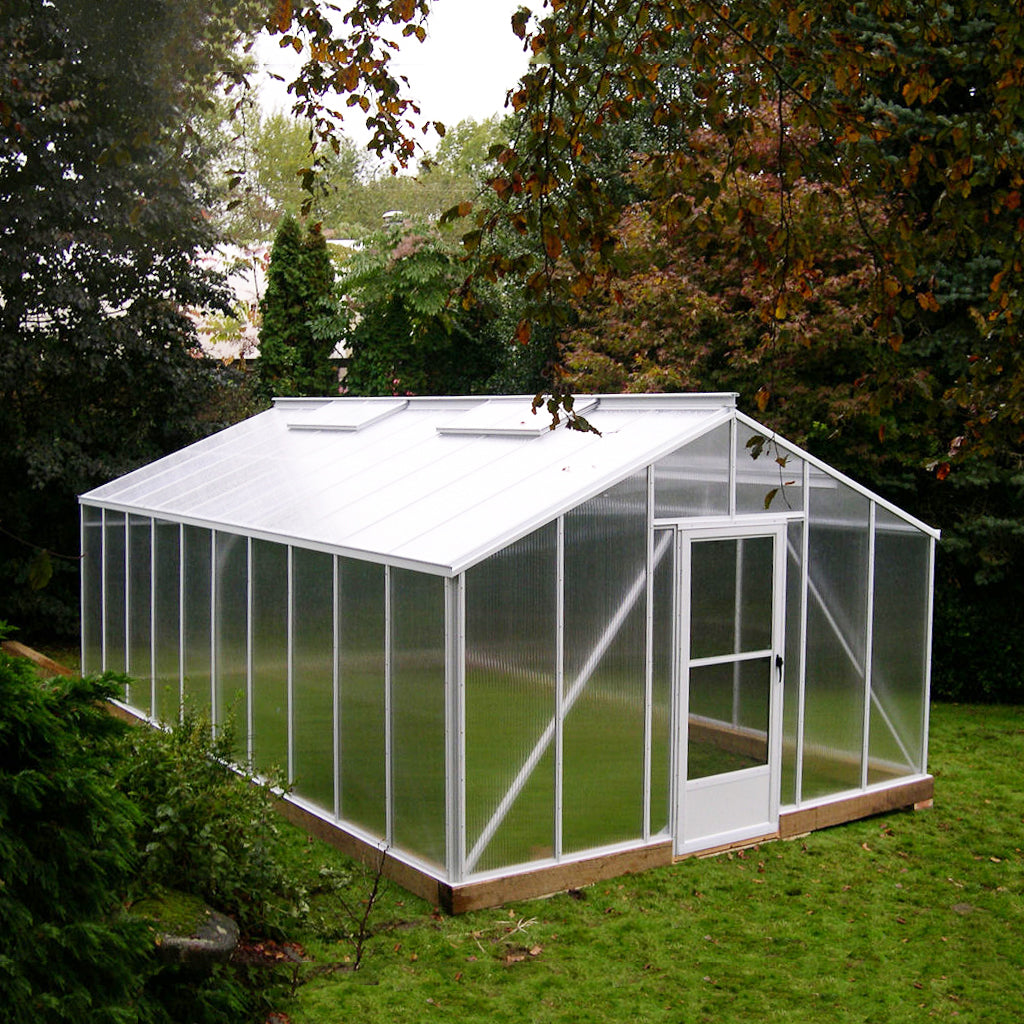
- Acrylic sheets provide excellent clarity, UV resistance, and visual appeal, making them ideal for windows, greenhouse panels, and decorative applications.
- Polycarbonate sheets deliver exceptional impact resistance and are well-suited for storm-prone areas, patio covers, and protective barriers.
- Expanded foam PVC sheets resist moisture, chemicals, and corrosion, making them a strong choice for garages, utility rooms, outdoor kitchens, and other damp environments.
- HDPE sheets offer long-term durability, weather resistance, and low maintenance for outdoor furniture, landscaping, and recreational structures.
- UV exposure should be a primary consideration when selecting materials for outdoor summer projects.
- Impact resistance is especially important for projects exposed to severe weather, heavy use, or potential damage.
- Moisture-prone areas benefit from water-resistant materials such as Expanded foam PVC and HDPE that won’t rot, swell, or absorb water.
- Matching the material’s performance characteristics to the project’s specific requirements helps maximize longevity and value.
- Plastic sheets are available in a variety of colors, thicknesses, and finishes, allowing for both functional and decorative applications.
- Choosing the right plastic sheet can improve durability, reduce maintenance, and help ensure a successful summer renovation project.
Continue reading Choosing the Right Plastic Sheet for Summer Renovations