Choosing the Right Plastic Sheet for Summer Renovations


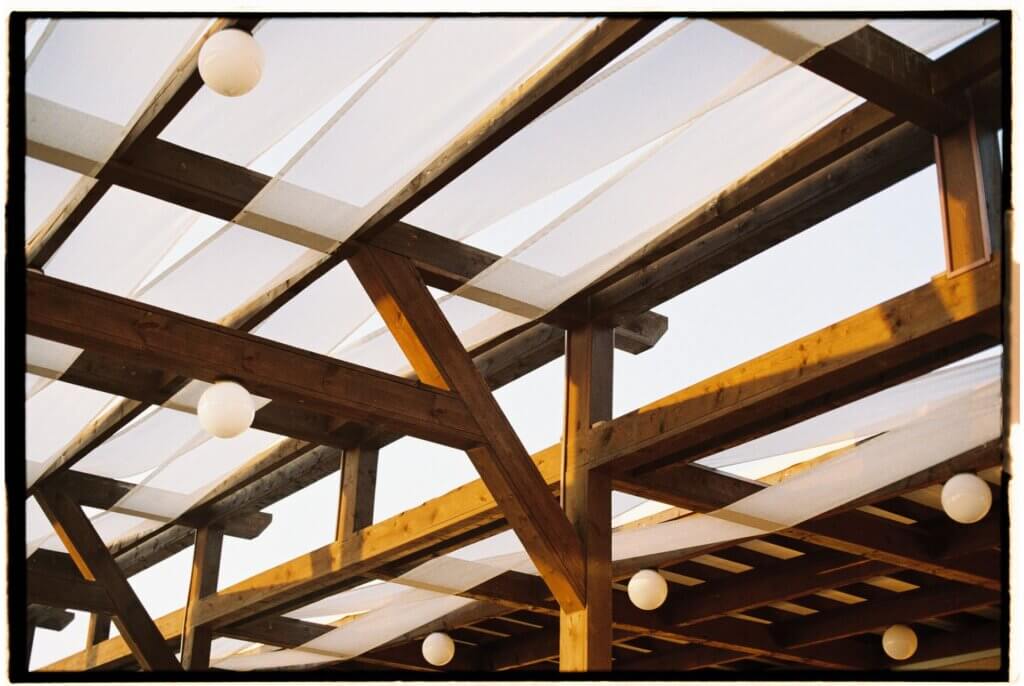
pergola

Summer is one of the most popular times of the year for home improvement projects. From outdoor living upgrades and garage organization to window replacements and backyard renovations, warmer weather creates ideal conditions for construction and remodeling. Choosing the right plastic sheet for summer renovations can make a significant difference in the appearance, durability, and long-term performance of your project for years to come.

Firstly, plastic sheets have become a popular alternative to traditional materials like glass, wood, and metal because they are lightweight, durable, easy to fabricate. Thus, they are available in a wide range of colors, thicknesses, and performance characteristics. However, not every plastic sheet is suited for every application.

This guide explores some of the most popular plastic sheet materials and how to choose the right one for your summer renovation project.

Key Takeaways

  • Summer renovations often require materials that can withstand heat, sunlight, moisture, and daily wear.
  • Plastic sheets offer a lightweight, durable, and versatile alternative to traditional materials like glass, wood, and metal.
  • Acrylic sheets provide excellent clarity, UV resistance, and visual appeal, making them ideal for windows, greenhouse panels, and decorative applications.
  • Polycarbonate sheets deliver exceptional impact resistance and are well-suited for storm-prone areas, patio covers, and protective barriers.
  • Expanded foam PVC sheets resist moisture, chemicals, and corrosion, making them a strong choice for garages, utility rooms, outdoor kitchens, and other damp environments.
  • HDPE sheets offer long-term durability, weather resistance, and low maintenance for outdoor furniture, landscaping, and recreational structures.
  • UV exposure should be a primary consideration when selecting materials for outdoor summer projects.
  • Impact resistance is especially important for projects exposed to severe weather, heavy use, or potential damage.
  • Moisture-prone areas benefit from water-resistant materials such as Expanded foam PVC and HDPE that won’t rot, swell, or absorb water.
  • Matching the material’s performance characteristics to the project’s specific requirements helps maximize longevity and value.
  • Plastic sheets are available in a variety of colors, thicknesses, and finishes, allowing for both functional and decorative applications.
  • Choosing the right plastic sheet can improve durability, reduce maintenance, and help ensure a successful summer renovation project.

Continue reading Choosing the Right Plastic Sheet for Summer Renovations

Why Handymen Want Plastic Sheets for Home Repair

Home repair projects often require materials that are both durable and affordable. In recent years, many handymen have turned to a surprising solution: plastic sheets. Whether it’s a quick backsplash upgrade or a long-term fix in a high-moisture area, plastic sheets for home repair are making the job easier, faster, and more cost-effective.

Thanks to advances in manufacturing, today’s plastics are strong, versatile, and attractive. For handymen working on tight schedules and budgets, plastic sheets offer a smart alternative to heavier, more expensive materials. To better understand their growing popularity, let’s take a closer look at how plastics are transforming everyday handyman projects.

Continue reading Why Handymen Want Plastic Sheets for Home Repair

How Laser Cutting Shops Can Streamline Orders with Pre-Cut Plastic Sheets

Pre-cut plastic sheets for laser printing

Laser-cutting shops are always looking for ways to save time, cut costs, and work more efficiently. One easy way to do this? Pre-cut plastic sheets. By eliminating the need for extra prep work, these ready-to-use sheets allow laser cutters to focus on precise cuts. In particular, common materials like cast acrylic and extruded acrylic are available in pre-cut formats, helping shops streamline their processes. Moreover, this approach boosts productivity and reduces material waste. In this article, we’ll explore the best plastic materials for laser cutting, explain how pre-cut sheets can improve workflow, and finally, show how Acme Plastics’ custom cutting services can meet your needs.

Continue reading How Laser Cutting Shops Can Streamline Orders with Pre-Cut Plastic Sheets

Maximize Your Savings on Plastic Sheets: Tips for Buying Overstocks & Closeouts


plastic sheet sales

When it comes to plastic sheet sales and materials, you want to make sure you’re getting high-quality products at a great price. But, whether you’re buying for a large business or smaller DIY project, here’s a strategy you may have overlooked: buying overstocks and closeouts. Overstock products can result from having too much inventory in stock, merchandise returns, an order being canceled, or an item is being discontinued. Closeouts are when a business is no longer carrying an item and or closing up shop and they sell the merchandise at a steep discount to recoup some of their money. What does that mean for you? Significant savings.

Here’s why this special inventory can offer such great savings, and what to consider when shopping plastic sheet sales.

Continue reading Maximize Your Savings on Plastic Sheets: Tips for Buying Overstocks & Closeouts

Back to School: Classroom Acrylic Uses to Try This Fall


Teaching techniques are always evolving—and so should classroom tools. Consider acrylic in the classroom to help refresh your room. Acrylic is easy to clean, durable, shatter resistant, light weight, and easy to transport, making it a must-have tool for back to school. Classroom acrylic displays can be decorative or used for directional, educational, and safety purposes.

Continue reading Back to School: Classroom Acrylic Uses to Try This Fall

How to Work with Bullet-Resistant Acrylic


Bullet-resistant acrylic

Bullet-resistant acrylic sheets are commonly used in place of glass when impact protection or ballistic security is needed. The material is chosen for use in many applications from retail panels and POP displays to schools and television studios. It is less expensive than bullet-resistant polycarbonate and laminated glass, making it a cost-effective option for those uses. Underwriters Laboratories approve Level 1 bullet-resistant acrylic sheets  for the following: “protection is provided against complete penetration, the passage of fragments of projectiles, or spalling (fragmentation) of the protective material to the degree that injury would be caused to a person standing directly behind the bullet-resisting barrier.”

Bullet-resistant acrylic is also easier to work with since it is pliable and can be cut, sanded, and heated. Here’s what you need to know if you want to work with bullet-resistant acrylic

Continue reading How to Work with Bullet-Resistant Acrylic

Bullet-Resistant vs. Bulletproof: What’s the Difference?

Bulletproof glass with a bullet in it

Understanding the nuances between “bullet-resistant” and “bulletproof” can significantly impact your decision when selecting protective materials. Whether you’re upgrading the security of your home, office, or vehicle, knowing these differences ensures you choose the right level of protection for your needs. This guide will give a thorough explanation of bullet-resistant vs bulletproof materials in order to help you make an informed choice.

Continue reading Bullet-Resistant vs. Bulletproof: What’s the Difference?

10 Acrylic Plastic Safety Tips To Know


Proper PPE for handling acrylic plastic safely

Whether you’re a professional manufacturer or a DIY enthusiast exploring new creative avenues, acrylic plastic is an undeniably valuable material. Its versatility, clarity, and ease of use make it suitable for a wide range of projects, from sleek signage to intricate artwork. In this guide, we’ll delve into essential     acrylic plastic safety tips to equip you with the knowledge and precautions necessary to work with this material.

Key Takeaways

  • Acrylic is generally safe to use, but cutting, heating, or engraving can release fumes, dust, and vapors that require proper precautions.
  • Wearing the right personal protective equipment (PPE), including goggles, gloves, masks, and face shields, helps protect against debris, fumes, and accidental injuries.
  • A well-ventilated, clean, and organized workspace is essential for preventing fume buildup, reducing hazards, and maintaining control during fabrication.
  • Using the correct tools, monitoring heat carefully, and applying gentle pressure when working with acrylic provide better results while minimizing the risk of damage.
  • Proper storage, disposal, and static control not only extend the lifespan of acrylic materials but also support safety and environmental responsibility.

Continue reading 10 Acrylic Plastic Safety Tips To Know