Choosing the Right Plastic Sheet for Summer Renovations


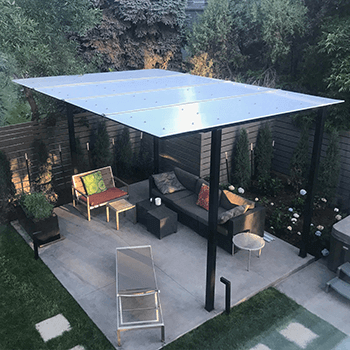
pergola

Summer is one of the most popular times of the year for home improvement projects. From outdoor living upgrades and garage organization to window replacements and backyard renovations, warmer weather creates ideal conditions for construction and remodeling. Choosing the right plastic sheet for summer renovations can make a significant difference in the appearance, durability, and long-term performance of your project for years to come.

Firstly, plastic sheets have become a popular alternative to traditional materials like glass, wood, and metal because they are lightweight, durable, easy to fabricate. Thus, they are available in a wide range of colors, thicknesses, and performance characteristics. However, not every plastic sheet is suited for every application.

This guide explores some of the most popular plastic sheet materials and how to choose the right one for your summer renovation project.

Key Takeaways

  • Summer renovations often require materials that can withstand heat, sunlight, moisture, and daily wear.
  • Plastic sheets offer a lightweight, durable, and versatile alternative to traditional materials like glass, wood, and metal.
  • Acrylic sheets provide excellent clarity, UV resistance, and visual appeal, making them ideal for windows, greenhouse panels, and decorative applications.
  • Polycarbonate sheets deliver exceptional impact resistance and are well-suited for storm-prone areas, patio covers, and protective barriers.
  • Expanded foam PVC sheets resist moisture, chemicals, and corrosion, making them a strong choice for garages, utility rooms, outdoor kitchens, and other damp environments.
  • HDPE sheets offer long-term durability, weather resistance, and low maintenance for outdoor furniture, landscaping, and recreational structures.
  • UV exposure should be a primary consideration when selecting materials for outdoor summer projects.
  • Impact resistance is especially important for projects exposed to severe weather, heavy use, or potential damage.
  • Moisture-prone areas benefit from water-resistant materials such as Expanded foam PVC and HDPE that won’t rot, swell, or absorb water.
  • Matching the material’s performance characteristics to the project’s specific requirements helps maximize longevity and value.
  • Plastic sheets are available in a variety of colors, thicknesses, and finishes, allowing for both functional and decorative applications.
  • Choosing the right plastic sheet can improve durability, reduce maintenance, and help ensure a successful summer renovation project.

Continue reading Choosing the Right Plastic Sheet for Summer Renovations

Why Outdoor Furniture Brands Are Embracing Recycled Plastic Furniture Materials

Outdoor Furniture

Sustainable living is no longer a niche trend. It’s a growing expectation, especially in the world of furniture design. As more consumers seek out eco-friendly choices, outdoor furniture brands are turning to recycled plastic furniture materials to meet demand. These materials, once considered a novelty, are now at the center of innovation in outdoor living spaces.

From colorful park benches to weather-resistant picnic tables, recycled plastics are showing up everywhere. But why the sudden shift? It all comes down to a mix of performance, aesthetics, and responsibility. Let’s break down what’s driving this change and how brands are using materials like HDPE plastic sheets from Acme Plastics to stay ahead.

Continue reading Why Outdoor Furniture Brands Are Embracing Recycled Plastic Furniture Materials

The Best Plastic for Outdoor Furniture That Lasts

When it comes to outdoor furniture, durability is everything. Nobody wants to replace cracked chairs or faded tables every season. That’s why choosing the best plastic for outdoor furniture is more important than ever. As materials evolve, plastic has become a top choice for long-lasting, low-maintenance furniture that still looks great in your backyard or patio.

So, what makes one plastic better than another for outdoor use? And which types should you be looking for if you want furniture that stands up to sun, rain, and years of use? Let’s break it down.

Continue reading The Best Plastic for Outdoor Furniture That Lasts

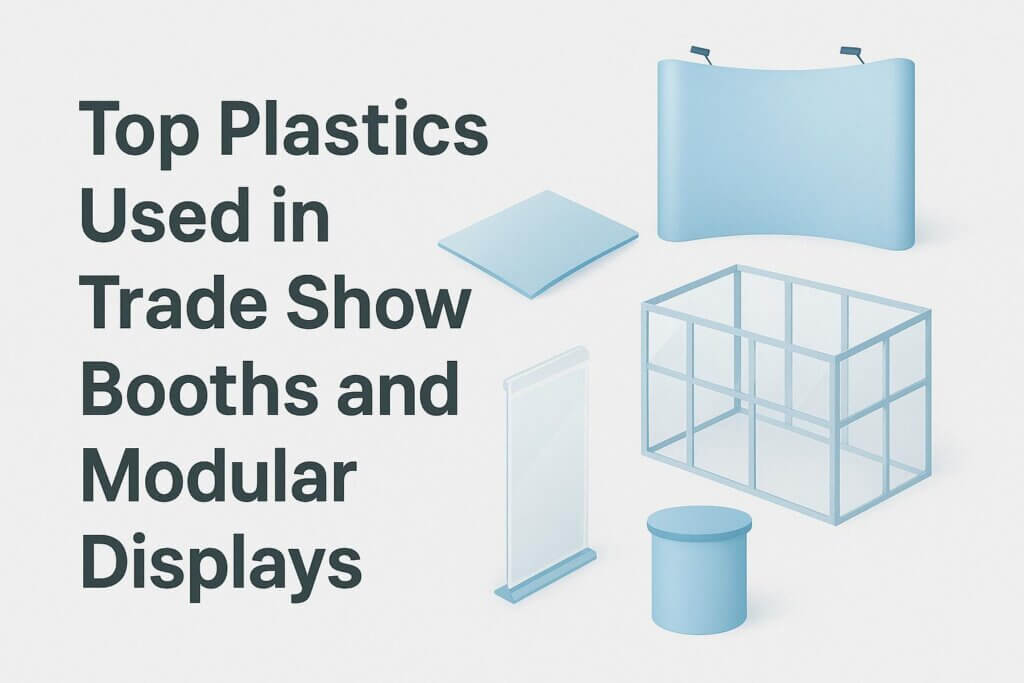
Top Plastics Used in Trade Show Booths and Modular Displays

trade show displays

Undoubtedly, trade shows are fast-paced, high-impact events where your booth needs to stand out, visually and structurally. In fact, well-designed trade show displays can attract attention, showcase products, and ultimately, help your brand leave a lasting impression.

However, there’s a lot that goes into building a booth that checks all the boxes. You want it to be eye-catching but also easy to move, set up, and take down. That’s where plastics come in.

Furthermore, plastics have become one of the most popular materials for building trade show displays—and for good reason. Let’s take a look at why plastics are ideal for trade show booths and which materials are most commonly used.

Continue reading Top Plastics Used in Trade Show Booths and Modular Displays

Choosing the Right Signage Materials for Your Business: A Comprehensive Guide


signage materials

There’s no denying that signage is an essential component of many businesses’ branding and marketing strategies. And, just as important as the creative design you choose to display on each sign is the materials you use to create it. The right signage material ensures visibility, durability, and cost-effectiveness while aligning with your brand’s aesthetics, making it a crucial yet underrated decision. We’re here to help you navigate through some of the most common signage materials so you can choose what you need with confidence. Read on to find out more.

Continue reading Choosing the Right Signage Materials for Your Business: A Comprehensive Guide

How to Install Multiwall Polycarbonate Hurricane Panels


A man installing hurricane panels on his home

If you’ve used plywood to protect your home from hurricanes in the past, hurricane panel installation using multiwall polycarbonate is a doable DIY. Like plywood, polycarbonate hurricane panels can be direct mounted to your home without the use of installing a framing system, but they are lighter, transparent, and can be reused. Here’s what you need to know (about tools, materials, and maintenance) and how to install hurricane panels.

Continue reading How to Install Multiwall Polycarbonate Hurricane Panels

How to Install a Pergola Using Twinwall


Twinwall pergola installed in a backyard

When it comes to extending the life of your pergola and enhancing its features, it’s crucial to carefully choose the quality of the materials you use to build it. Twinwall polycarbonate panels from Acme Plastics are an excellent, durable choice for your pergola roof, as they are lightweight, easy to install, and offer optimal light transmission. Twinwall polycarbonate is also thermally efficient because it traps air between the layers of its sheeting. While it offers many benefits, you need to be cautious when learning how to install a pergola roof panel properly. Below is a comprehensive guide on how to install a pergola roof with Twinwall panels from Acme Plastics.

Continue reading How to Install a Pergola Using Twinwall

How to Work with Bullet-Resistant Acrylic


Bullet-resistant acrylic

Bullet-resistant acrylic sheets are commonly used in place of glass when impact protection or ballistic security is needed. The material is chosen for use in many applications from retail panels and POP displays to schools and television studios. It is less expensive than bullet-resistant polycarbonate and laminated glass, making it a cost-effective option for those uses. Underwriters Laboratories approve Level 1 bullet-resistant acrylic sheets  for the following: “protection is provided against complete penetration, the passage of fragments of projectiles, or spalling (fragmentation) of the protective material to the degree that injury would be caused to a person standing directly behind the bullet-resisting barrier.”

Bullet-resistant acrylic is also easier to work with since it is pliable and can be cut, sanded, and heated. Here’s what you need to know if you want to work with bullet-resistant acrylic

Continue reading How to Work with Bullet-Resistant Acrylic

10 Acrylic Plastic Safety Tips To Know


Proper PPE for handling acrylic plastic safely

Whether you’re a professional manufacturer or a DIY enthusiast exploring new creative avenues, acrylic plastic is an undeniably valuable material. Its versatility, clarity, and ease of use make it suitable for a wide range of projects, from sleek signage to intricate artwork. In this guide, we’ll delve into essential     acrylic plastic safety tips to equip you with the knowledge and precautions necessary to work with this material.

Key Takeaways

  • Acrylic is generally safe to use, but cutting, heating, or engraving can release fumes, dust, and vapors that require proper precautions.
  • Wearing the right personal protective equipment (PPE), including goggles, gloves, masks, and face shields, helps protect against debris, fumes, and accidental injuries.
  • A well-ventilated, clean, and organized workspace is essential for preventing fume buildup, reducing hazards, and maintaining control during fabrication.
  • Using the correct tools, monitoring heat carefully, and applying gentle pressure when working with acrylic provide better results while minimizing the risk of damage.
  • Proper storage, disposal, and static control not only extend the lifespan of acrylic materials but also support safety and environmental responsibility.

Continue reading 10 Acrylic Plastic Safety Tips To Know

How to Cut HDPE Sheets and Boards

When it comes to finding a durable and lightweight material with many uses, you can’t go wrong with HDPE sheets and boards. HDPE boasts high-impact strength, durability, and the ability to resist corrosion from weather, alcohol, and acids.

Once you figure out how you want to use them, you’ll also need to know how to cut HDPE sheets. Fortunately, it isn’t hard, but you do need to choose the right tools and keep safety precautions in mind.

Before you start, here’s a crash course on HDPE—and how to cut HDPE sheets.

Key Takeaways

  • HDPE sheets are lightweight, durable, and resistant to weather, impact, and chemicals — making them ideal for a range of applications.
  • There are several types of HDPE sheeting, including matte, smooth, pipe grade, and antiskid, each suited for specific uses.
  • Cutting HDPE is easy with common tools like utility knives or saws, but proper technique and safety are essential.
  • Thin HDPE sheets can be scored and snapped using a utility knife and ruler, while thicker sheets may require power tools.
  • To avoid melting the material, use plastic-specific blades and avoid generating excess heat during cutting.

Continue reading How to Cut HDPE Sheets and Boards

Why Polycarbonate Is The Right Roofing Material For A Greenhouse

Whether you are a hobbyist or a certified horticulturist, you rely on a greenhouse for year-round gardening. If you are building a new greenhouse or replacing any panels, you need to consider a greenhouse roof material that offers light transmission and heat properties. There are a variety of roofing materials—each with its own unique physical and aesthetic properties. What you ultimately choose depends on what type of structure you are putting a roof on. While metal might be the right material for a gardening shed, you wouldn’t want to use it on a greenhouse. You want a translucent material that provides thermal insulation as well as protection. Traditional materials for a greenhouse roof include glass, fiberglass, acrylic, and polycarbonate panels. Polycarbonate roofing panels, such as  twinwall and multiwall polycarbonate sheets, can be used as roofing panels and greenhouse panels. The panels are an ideal roofing material for greenhouses due to their lightweight properties, cost-effectiveness, and insulation capabilities.

Here, we go into more details on those properties, plus a few more reasons on why polycarbonate is a great greenhouse roof material.

Key Takeaways

  • Polycarbonate panels allow up to 90% of light to pass through, offering glass-like clarity while retaining heat 60% better than glass.
  • With 250 times the strength of glass, polycarbonate resists cracking, breaking, and damage from hail or debris, making it a highly durable greenhouse roofing option.
  • Polycarbonate provides up to 60% more thermal insulation than glass, helping reduce heat loss, lower energy costs, and create a stable environment for plants.
  • At half the weight of glass, polycarbonate panels are easier to ship, handle, and install, while also reducing stress on the greenhouse structure.
  • Acme Plastics offers standard twinwall and multiwall sheets, along with custom sizes and thicknesses to meet the specific needs of any greenhouse project.

Continue reading Why Polycarbonate Is The Right Roofing Material For A Greenhouse

What Is Starboard Material: Understanding Marine Grade HDPE

Those in the marine industry are probably already aware of the many perks of starboard material, which is often used to replace wood, plastic, or laminate items on their boats. But others might be wondering: What is starboard material? No worries—we have everything you need to know about this versatile material.

Continue reading What Is Starboard Material: Understanding Marine Grade HDPE

10 Marine Board Use Cases

If you’re a boat owner, you might already be familiar with the benefits of marine board. A form of HDPE plastic, marine board is stronger than typical HDPE. In fact, it is formulated and designed to withstand the harsh weather associated with oceans, lakes, rivers, and such. Not only will it not rot, splinter, swell or peel, but it doesn’t require any painting, finishing, or maintenance. All of this makes it a popular choice for boats and docks.

But that is just the beginning of what is marine board used for. With that in mind, here are 10 marine board use cases to consider for your next project.

Continue reading 10 Marine Board Use Cases

How to Cut Corrugated Plastic Roofing (or PVC Roofing)

Whether you’re in the construction industry or a DIY-er in your own home, you want materials that are strong, yet easy to work with on a variety of projects. So it makes sense that corrugated plastic roofing is so popular. Made of polycarbonate thermoplastic polymer material. corrugated plastic roofing boasts an octagonal-wave shape (hence its corrugated look). The flexible, yet durable, material is weather resistant, remaining strong during strong impacts (including wind and hail) and temperatures from -40°F to +270°F. And corrugated plastic roofing won’t degrade or deteriorate over the years, making it a solid investment for any homeowner. While corrugated plastic roofing is easy to install, you will have to cut the sheets to fit your project needs. Not sure where to start? Here is a rundown on how to get the job done.

Key Takeaways

  • Corrugated plastic roofing is durable, flexible, and weather-resistant, making it ideal for DIY and construction projects.
  • You can cut corrugated plastic using a Stanley knife or circular saw, depending on the sheet thickness and desired precision.
  • Always follow safety precautions, including using protective gear and setting up a clean, dedicated workspace.
  • Mark your cut line with a felt-tip pen and straight-edge ruler, then cut along the line while securing the sheet to prevent chipping.
  • Smooth cut edges with an emery cloth after cutting to ensure a clean, professional finish on your roofing panels.

Continue reading How to Cut Corrugated Plastic Roofing (or PVC Roofing)

5 Reasons to Use Acrylic Sheets for Your Pergola Covers


With warmer weather on the way, people are ready to start enjoying their backyard areas. One way to do just that is with a pergola, which can offer protection from the harsh rays of the sun or a summer sprinkle throughout the season. That means you’ll have more time to enjoy a book, eat a meal, or simply relax outside with family and friends.

After making the investment in a pergola, you’ll undoubtedly want it to last for years to come—and if it can offer more protection from the elements, even better. Enter acrylic sheets such as Acme’s Pergola Roof Panels. They not only resist harsh weather and UV rays, but are also easy to install, customizable, and cost-effective.

Not convinced acrylic is right for your pergola cover? Here are five reasons why you should make the choice.

Continue reading 5 Reasons to Use Acrylic Sheets for Your Pergola Covers