Choosing the Right Plastic Sheet for Summer Renovations


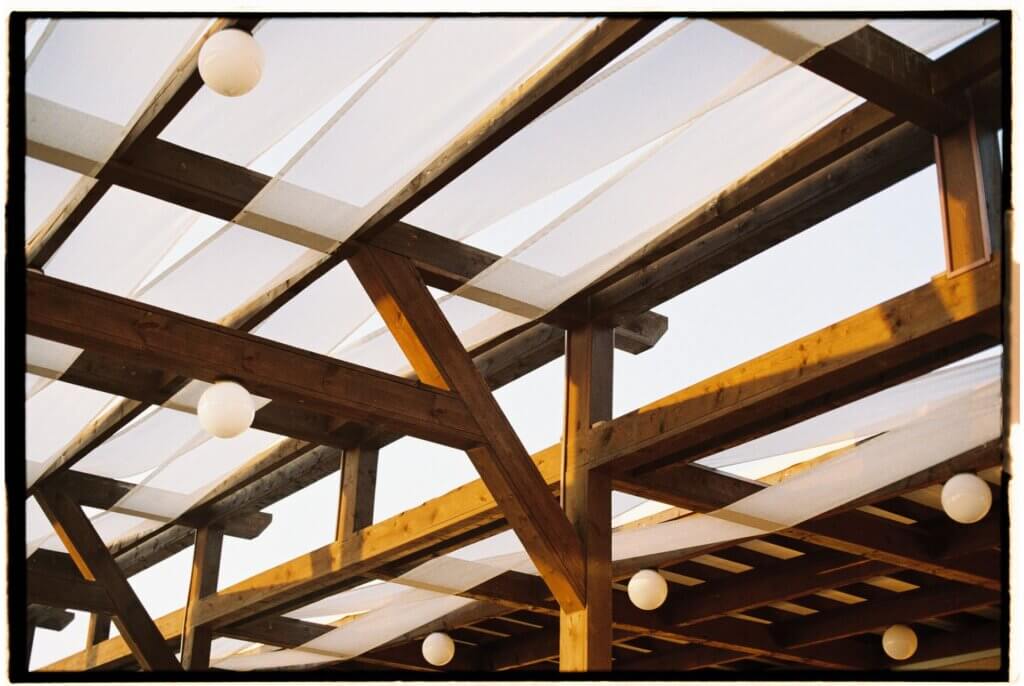
pergola

Summer is one of the most popular times of the year for home improvement projects. From outdoor living upgrades and garage organization to window replacements and backyard renovations, warmer weather creates ideal conditions for construction and remodeling. Choosing the right plastic sheet for summer renovations can make a significant difference in the appearance, durability, and long-term performance of your project for years to come.

Firstly, plastic sheets have become a popular alternative to traditional materials like glass, wood, and metal because they are lightweight, durable, easy to fabricate. Thus, they are available in a wide range of colors, thicknesses, and performance characteristics. However, not every plastic sheet is suited for every application.

This guide explores some of the most popular plastic sheet materials and how to choose the right one for your summer renovation project.

Key Takeaways

  • Summer renovations often require materials that can withstand heat, sunlight, moisture, and daily wear.
  • Plastic sheets offer a lightweight, durable, and versatile alternative to traditional materials like glass, wood, and metal.
  • Acrylic sheets provide excellent clarity, UV resistance, and visual appeal, making them ideal for windows, greenhouse panels, and decorative applications.
  • Polycarbonate sheets deliver exceptional impact resistance and are well-suited for storm-prone areas, patio covers, and protective barriers.
  • Expanded foam PVC sheets resist moisture, chemicals, and corrosion, making them a strong choice for garages, utility rooms, outdoor kitchens, and other damp environments.
  • HDPE sheets offer long-term durability, weather resistance, and low maintenance for outdoor furniture, landscaping, and recreational structures.
  • UV exposure should be a primary consideration when selecting materials for outdoor summer projects.
  • Impact resistance is especially important for projects exposed to severe weather, heavy use, or potential damage.
  • Moisture-prone areas benefit from water-resistant materials such as Expanded foam PVC and HDPE that won’t rot, swell, or absorb water.
  • Matching the material’s performance characteristics to the project’s specific requirements helps maximize longevity and value.
  • Plastic sheets are available in a variety of colors, thicknesses, and finishes, allowing for both functional and decorative applications.
  • Choosing the right plastic sheet can improve durability, reduce maintenance, and help ensure a successful summer renovation project.

Continue reading Choosing the Right Plastic Sheet for Summer Renovations

Why Twinwall Polycarbonate Greenhouse Panels Deliver More Predictable Growing Results

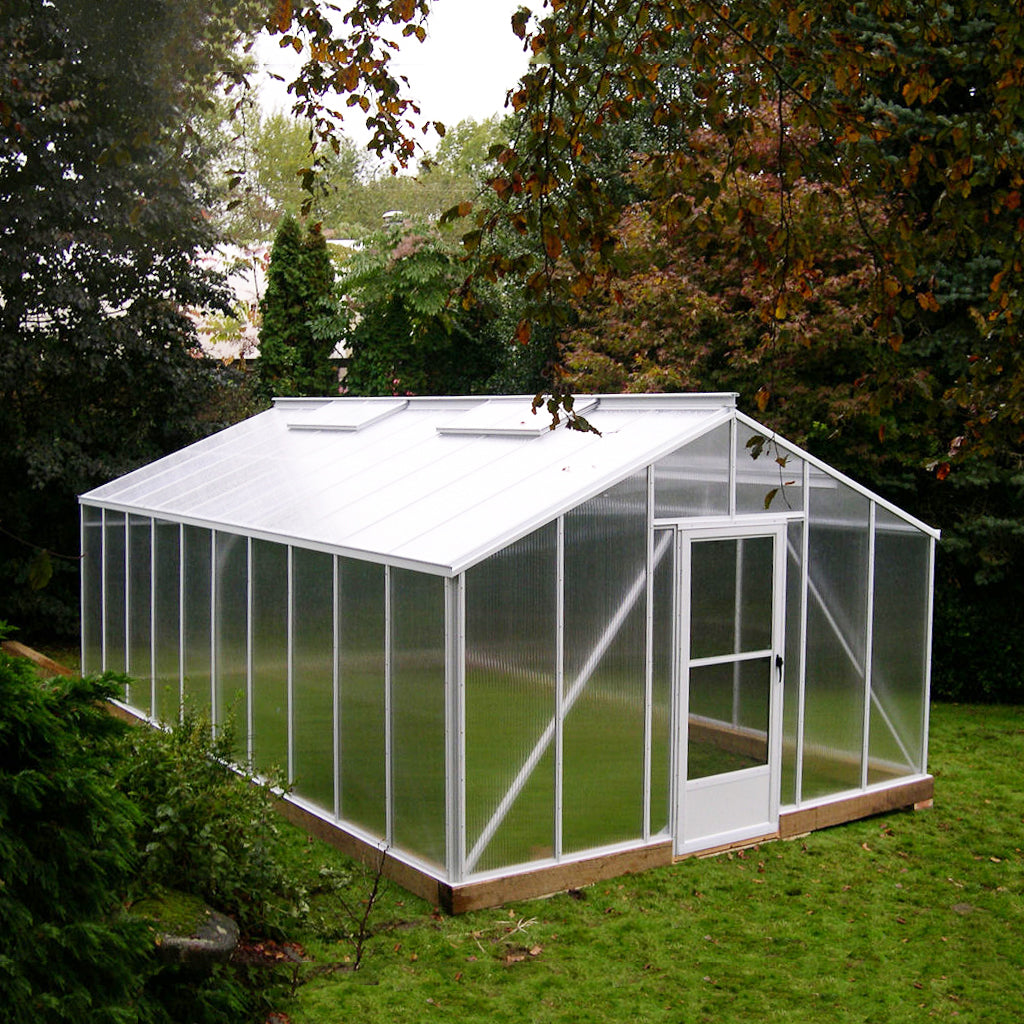
Twinwall polycarbonate green house

From trendy Victorian styles exuding old-world charm to Zen-inspired builds creating harmony with the environment to minimalist designs that deliver a functional simplicity, greenhouses are transforming into stunning architectural spaces. But at the end of the day, a greenhouse needs to be more than an aesthetic structure to yield successful plants. It needs to deliver environmental control to manage temperature swings and uneven light to counteract rising energy costs. The solution lies in the material used for the build. Twinwall polycarbonate greenhouse panels are a cost-effective solution as they have thermal insulation and diffuse light to create consistent, even conditions for plant growth. Compared to glass and acrylic, twinwall polycarbonate greenhouse panels will help achieve the consistency and efficiency a grower is looking for.

Key Takeaways

  • Greenhouse performance depends on material choice. Twinwall polycarbonate greenhouse panels outperform glass and single-wall plastics by delivering more consistent temperature control and light distribution.
  • Light diffusion matters more than clarity. Twinwall polycarbonate diffuses sunlight to eliminate hotspots and shadows, supporting healthier, more uniform plant growth and improved yields.
  • Superior thermal insulation reduces energy costs. With up to 60% better insulation than glass, twinwall polycarbonate helps retain heat in winter and resist overheating in summer, lowering heating and cooling expenses.
  • Built for durability and real-world conditions. Twinwall polycarbonate is impact-resistant, weather-tough, UV-protected, and far less prone to cracking, shattering, or degradation than glass.
  • Lower long-term costs beyond the panels themselves. Lightweight construction reduces shipping, labor, and framing requirements while making installation easier for DIY and commercial builds.
  • Flexible for custom greenhouse designs. Panels can be cut, drilled, cold-bent, and used with multiple framing materials, making them ideal for backyard, commercial, and research greenhouses.
  • Choosing the right thickness is critical. Panel thickness should align with climate, structure size, and usage—expert guidance helps ensure long-term performance and reliability.

Continue reading Why Twinwall Polycarbonate Greenhouse Panels Deliver More Predictable Growing Results

Twinwall Polycarbonate Panels for Spring Greenhouses and Pergolas

People stand before a greenhouse entrance filled with flowers.

Spring not only brings the perfect conditions to plant flowers, fruits, and vegetables. Its warmer temperatures and longer daylight hours provide optimal conditions for building or upgrading outdoor structures, such as greenhouses and pergolas, too. If you’re a homeowner, gardener, or contractor preparing greenhouses and pergolas for the upcoming growing season, you’ll need to consider your building materials. Choosing materials that balance light, durability, and insulation will be beneficial for plant growth. That’s where twinwall polycarbonate panels come in. They are a versatile solution for spring projects: they are translucent, have good thermal properties, and allow high light transmission for plants. Here, we discuss the material and why they are a superb choice for these Springtime builds.

Key Takeaways: Spring Is the Season to Build

  • Spring offers ideal building conditions for greenhouses, pergolas, and patio covers thanks to longer daylight hours and milder temperatures.
  • Twinwall polycarbonate panels are a smart material choice for spring builds, balancing high light transmission, durability, and thermal insulation.
  • The multi-wall design diffuses sunlight, reducing hotspots and promoting healthier, more consistent plant growth compared to glass or acrylic.
  • Built-in air pockets provide superior insulation, offering up to 60% more thermal efficiency than glass and helping maintain stable greenhouse temperatures.
  • Twinwall panels are impact- and weather-resistant, standing up to hail, wind, and temperature swings without shattering.
  • For pergolas and patio covers, twinwall panels deliver bright shade, allowing natural light while minimizing heat and glare.
  • UV-resistant coatings protect people, plants, and furnishings while preventing yellowing and material degradation over time.
  • Lightweight and easy to install, twinwall polycarbonate works with wood, aluminum, or steel framing—ideal for both DIY and professional builds.
  • Panel thickness matters: thinner panels suit backyard greenhouses, while thicker panels perform best for pergolas, sheds, and commercial structures.
  • Choosing a reliable supplier like Acme Plastics ensures quality, access to multiple thicknesses, cut-to-size options, and expert guidance for spring projects. Continue reading Twinwall Polycarbonate Panels for Spring Greenhouses and Pergolas

5 Reasons to Use Twinwall Polycarbonate Greenhouse Panels


Greenhouse twinwall panels

Whether you are a horticulturist or a newbie gardener, there are a variety of materials to consider when constructing a greenhouse—glass, fiberglass, acrylic, and polycarbonate—but the most common choices are polycarbonate or glass. A great greenhouse material not only provides light transmission, insulative properties, and weather-resistance, but it should be easy to install and maintain. While glass is sturdy and provides superior optical clarity, it can shatter from impacts and requires professional installation due to its weight. Instead, consider twinwall polycarbonate as a modern, durable alternative. The thermoplastic meets the demands for greenhouses—light transmission, insulation, exceptional strength making it virtually indestructible—and its light weight makes it easy to install and it’s even easier to maintain. Here, we discuss five reasons why twinwall polycarbonate greenhouse panels are the best choice for durable greenhouse structures.

Continue reading 5 Reasons to Use Twinwall Polycarbonate Greenhouse Panels

Can You Tint Plexiglass?

Acrylic, or plexiglass, is available in a variety of colors and opacities. It can be easily tinted with almost any color by adding a small amount of dye during the manufacturing process. But it is rather difficult to tint plexiglass after it has been produced. Standard window-tinting materials for glass film will not work on plexiglass, so specialized films are required to tint plexiglass sheets.

Key Takeaways

  • Plexiglass can be tinted during manufacturing, but post-production tinting requires specialized films — not standard glass tint.
  • Using regular glass film on plexiglass can cause peeling, discoloration, and scratches due to the plastic’s off-gassing properties.
  • DIY tinting methods like spray paint, adhesive sheets, and films are possible but often compromise transparency and quality.
  • Tinted plexiglass is ideal for applications like skylights, sunrooms, furniture, signage, and decorative displays.
  • For best results, professional tinting or purchasing pre-tinted plexiglass from Acme Plastics is highly recommended.

Continue reading Can You Tint Plexiglass?

Why Polycarbonate Is The Right Roofing Material For A Greenhouse

Whether you are a hobbyist or a certified horticulturist, you rely on a greenhouse for year-round gardening. If you are building a new greenhouse or replacing any panels, you need to consider a greenhouse roof material that offers light transmission and heat properties. There are a variety of roofing materials—each with its own unique physical and aesthetic properties. What you ultimately choose depends on what type of structure you are putting a roof on. While metal might be the right material for a gardening shed, you wouldn’t want to use it on a greenhouse. You want a translucent material that provides thermal insulation as well as protection. Traditional materials for a greenhouse roof include glass, fiberglass, acrylic, and polycarbonate panels. Polycarbonate roofing panels, such as  twinwall and multiwall polycarbonate sheets, can be used as roofing panels and greenhouse panels. The panels are an ideal roofing material for greenhouses due to their lightweight properties, cost-effectiveness, and insulation capabilities.

Here, we go into more details on those properties, plus a few more reasons on why polycarbonate is a great greenhouse roof material.

Key Takeaways

  • Polycarbonate panels allow up to 90% of light to pass through, offering glass-like clarity while retaining heat 60% better than glass.
  • With 250 times the strength of glass, polycarbonate resists cracking, breaking, and damage from hail or debris, making it a highly durable greenhouse roofing option.
  • Polycarbonate provides up to 60% more thermal insulation than glass, helping reduce heat loss, lower energy costs, and create a stable environment for plants.
  • At half the weight of glass, polycarbonate panels are easier to ship, handle, and install, while also reducing stress on the greenhouse structure.
  • Acme Plastics offers standard twinwall and multiwall sheets, along with custom sizes and thicknesses to meet the specific needs of any greenhouse project.

Continue reading Why Polycarbonate Is The Right Roofing Material For A Greenhouse

Greenhouse Market Growth: What to Expect & How to Stay Ahead of the Trends

The Global Greenhouse market is expected to grow between 2023 and 2029. Staying ahead of the trends, specifically advancing technology, provides a lot of opportunities for horticulture enthusiasts. In the article below we will explore the current state of the greenhouse market, future predictions, and the benefits of using polycarbonate and acrylic greenhouse plastic when building your next greenhouse project.   Continue reading Greenhouse Market Growth: What to Expect & How to Stay Ahead of the Trends

Everything You Need to Know About Recycled Acrylic

At Acme Plastics, we offer recycled plexiglass as a green alternative to plexiglass and standard acrylic. It is versatile and can be used in a variety of display setups. There are a multitude of advantages working with recycled acrylic that may not be as obvious when compared to competing materials like glass or other plastics. Below is a comprehensive breakdown of the numerous benefits of recycled plexiglass and how it can enhance your next project.

Continue reading Everything You Need to Know About Recycled Acrylic

5 Plexiglass Use Cases in Manufacturing

Plexiglass sheets can be utilized in a multitude of ways in the manufacturing industry. Plexiglass is a versatile material that can do everything from protecting manufacturing workers by providing them with a durable, shatter-resistant plastic to make vital products that may help increase productivity and safeguard public health. Plexiglass sheets are available in a variety of thicknesses and is commonly sold in sheets, rods and tubes. One of the most stand out qualities that it offers is its versatility and moldability to fit nearly any application, which is vital in the manufacturing industry. According to piedmontplastics, “Whether you’re manufacturing need requires strength, longevity, or clarity, plexiglass offers numerous advantages over other materials. High among those advantages is its versatility in that it is featured in multiple applications.” In the blog post below, we will explore so the most common use cases for plexiglass within the manufacturing industry and how plexiglass can offer a long-lasting, cost-effective solution for your next project. Continue reading 5 Plexiglass Use Cases in Manufacturing

How Polycarbonate Sheets Can Offer Added Security

Polycarbonate sheets are perfect for a high level of security in a variety of settings. Retail businesses, office buildings, homes, schools, and sporting venues all benefit from protection against vandalism, the elements, and more.

Continue reading How Polycarbonate Sheets Can Offer Added Security

Polycarbonate Panels: Going Beyond the Greenhouse

When most people think of polycarbonate panels, they often think of greenhouses. It’s one of the most common use cases along with roofing. Surprisingly there are many other unsuspected places that polycarbonate paneling is used. In fact, according to shapeplastics.com, “Due to its tough and impact resistant nature, polycarbonate is perfect for any DIY home project where durability is essential.” Here, we will explore the wide variety of applications and places you may find polycarbonate paneling and why you may consider this versatile material for your next project.

Continue reading Polycarbonate Panels: Going Beyond the Greenhouse

Repurposing Plexiglass in Our Post-Pandemic Life

Since the year of 2020, our nation has been in a serious search for the best protection against the spread of the COVID-19 virus. Grocery stores, nail salons, schools, office spaces, hospitals, and retail shops alike were all looking for the perfect solution to safeguard against the spread of this seemingly deadly virus. As it turns out, plexiglass was the leading contender when it came to building barriers and protective shields for public spaces. According to an article from greenbiz.com, “Before the virus, demand for such plastics had been decreasing, as innovation allowed for thinner sheets in appliances such as TVs. As demand spikes, there’s a need for a sustainable, recyclable and ultimately circular option.” However, in today’s climate, millions of pieces of plexiglass sold to businesses and private establishments to create safer environments for this anxiety-ridden time, it leaves many of us to wonder what will happen to all these plexiglass shields and barriers when the pandemic is finally over? Below we explore possible ways to repurpose and upcycle plexiglass barriers and shields for life after the pandemic.

Continue reading Repurposing Plexiglass in Our Post-Pandemic Life

Building Your Dream Greenhouse with Polycarbonate Panels

Gardening, or more specifically home-grown food has become increasingly popular over the past couple of years as more people are realizing they can harvest healthier food for a lot less money by growing it themselves. According to grocery.coop, “You can save big money by growing your own vegetables and fruits. In fact, depending on the type and amount you grow, you can save a significant amount of money. By spending a few dollars on seeds, plants, and supplies in spring, you’ll produce vegetables that will yield pounds of produce in summer.” Of course, growing your own produce and crops means you need the proper space for the fruit and/or vegetables to flourish. If you are considering a greenhouse, buying or building with plastic polycarbonate panels is a cost-effective and aesthetically pleasing choice for the durable and heat conducting material.

Continue reading Building Your Dream Greenhouse with Polycarbonate Panels