The Best Plastics for POP Displays: Durable, Customizable, and Eye-Catching

When the goal is for your products to stand out more in a crowded store, point-of-purchase displays (POP displays) are key. These displays sit where customers make buying decisions – usually near checkout counters, end caps, or store aisles. Done right, POP displays grab attention and boost sales.

Furthermore, plastics can play a big role in making custom point-of-purchase displays effective. They’re lightweight, strong, easy to shape, and can be made to fit your brand’s style. Because of these advantages, whether you’re launching a new item or pushing seasonal promotions, plastic POP displays are a smart choice for both impact and cost-efficiency. With that in mind, let’s explore different types of plastic and how you can use them for your POP displays.

Continue reading The Best Plastics for POP Displays: Durable, Customizable, and Eye-Catching
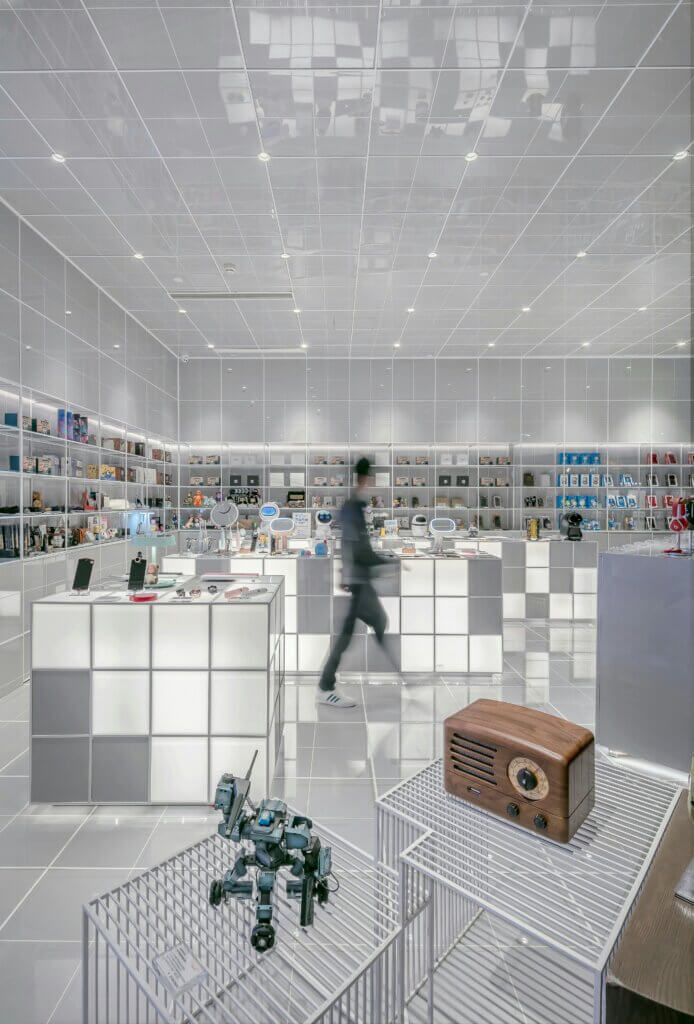
How Plastics Are Changing Retail Displays and Store Design


retail displays

Plastic retail displays are customizable, making it easy to create eye-catching presentations that attract shoppers and boost sales. They also help create a cohesive look that strengthens your brand. Clear plastics like acrylic and polycarbonate can improve your store’s design.

Glass and wood are less versatile than clear plastics for retail displays. Acrylic is transparent, durable, and easy to customize.

Keep reading to learn how plastic displays can add visual impact and a sleek touch to your store’s design.

Continue reading How Plastics Are Changing Retail Displays and Store Design

Back to School: Classroom Acrylic Uses to Try This Fall


Teaching techniques are always evolving—and so should classroom tools. Consider acrylic in the classroom to help refresh your room. Acrylic is easy to clean, durable, shatter resistant, light weight, and easy to transport, making it a must-have tool for back to school. Classroom acrylic displays can be decorative or used for directional, educational, and safety purposes.

Continue reading Back to School: Classroom Acrylic Uses to Try This Fall

Can You Tint Plexiglass?

Acrylic, or plexiglass, is available in a variety of colors and opacities. It can be easily tinted with almost any color by adding a small amount of dye during the manufacturing process. But it is rather difficult to tint plexiglass after it has been produced. Standard window-tinting materials for glass film will not work on plexiglass, so specialized films are required to tint plexiglass sheets.

Key Takeaways

  • Plexiglass can be tinted during manufacturing, but post-production tinting requires specialized films — not standard glass tint.
  • Using regular glass film on plexiglass can cause peeling, discoloration, and scratches due to the plastic’s off-gassing properties.
  • DIY tinting methods like spray paint, adhesive sheets, and films are possible but often compromise transparency and quality.
  • Tinted plexiglass is ideal for applications like skylights, sunrooms, furniture, signage, and decorative displays.
  • For best results, professional tinting or purchasing pre-tinted plexiglass from Acme Plastics is highly recommended.

Continue reading Can You Tint Plexiglass?