The Best Plastics for POP Displays: Durable, Customizable, and Eye-Catching

When the goal is for your products to stand out more in a crowded store, point-of-purchase displays (POP displays) are key. These displays sit where customers make buying decisions – usually near checkout counters, end caps, or store aisles. Done right, POP displays grab attention and boost sales.

Furthermore, plastics can play a big role in making custom point-of-purchase displays effective. They’re lightweight, strong, easy to shape, and can be made to fit your brand’s style. Because of these advantages, whether you’re launching a new item or pushing seasonal promotions, plastic POP displays are a smart choice for both impact and cost-efficiency. With that in mind, let’s explore different types of plastic and how you can use them for your POP displays.

Continue reading The Best Plastics for POP Displays: Durable, Customizable, and Eye-Catching
5 Versatile Uses of Styrene

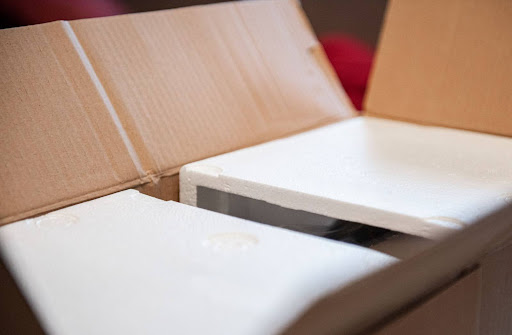
Popular use for styrene in packaging and shipping

Whether you’re a hobbyist, a DIY enthusiast, or a professional in the signage and display industry, styrene has proven to be a versatile and indispensable material. Learn about the many facets of styrene and its five remarkable applications that could revolutionize your projects in the blog post below. 

Continue reading 5 Versatile Uses of Styrene

Your Guide to Plastic Recycling Symbols

There are several recycling symbols, many of which can become confusing if you aren’t up to speed on what they mean. With that said, we’re highlighting how these unique numbers can indicate the type of plastic, and what they mean when it’s time to recycle them. By understanding the meaning behind these symbols, you’ll be better equipped to help reduce waste, limit your carbon footprint, and help the environment.

Let’s look at some of the most common recycling symbols and how you can ensure that your plastic sheets, tubes, and rods make it into the correct bin.

Key Takeaways

  • Plastic recycling symbols don’t guarantee recyclability — the number inside the “chasing arrows” triangle identifies the type of plastic and helps determine proper disposal or recycling methods.
  • PETG (Symbol 1) and HDPE (Symbol 2) are widely accepted by curbside recycling programs and are often reused in packaging, furniture, and household products.
  • PVC (Symbol 3) and LDPE (Symbol 4) are less commonly recycled and may require special facilities or are often repurposed in industrial applications.
  • Acrylic and polycarbonate fall under Symbol 7 plastics, which aren’t always recyclable, but can often be repurposed due to their thermoplastic properties.
  • Knowing your plastic types helps reduce landfill waste, improves sorting accuracy, and supports a more sustainable approach to using plastic sheets, rods, and tubes.

Continue reading Your Guide to Plastic Recycling Symbols