Choosing the Right Plastic Sheet for Summer Renovations


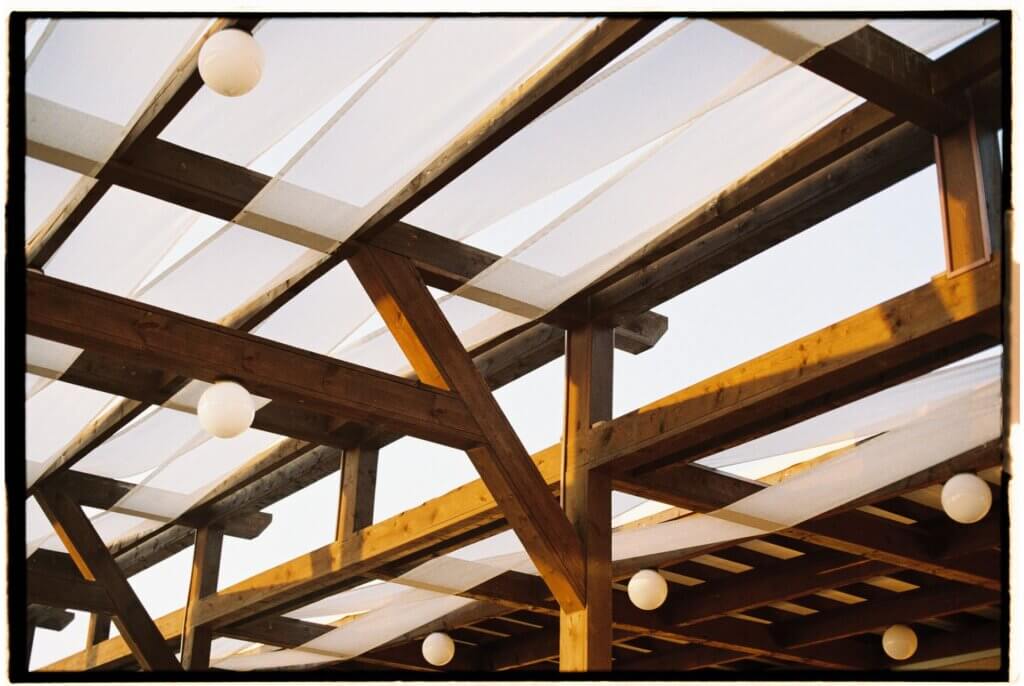
pergola

Summer is one of the most popular times of the year for home improvement projects. From outdoor living upgrades and garage organization to window replacements and backyard renovations, warmer weather creates ideal conditions for construction and remodeling. Choosing the right plastic sheet for summer renovations can make a significant difference in the appearance, durability, and long-term performance of your project for years to come.

Firstly, plastic sheets have become a popular alternative to traditional materials like glass, wood, and metal because they are lightweight, durable, easy to fabricate. Thus, they are available in a wide range of colors, thicknesses, and performance characteristics. However, not every plastic sheet is suited for every application.

This guide explores some of the most popular plastic sheet materials and how to choose the right one for your summer renovation project.

Key Takeaways

  • Summer renovations often require materials that can withstand heat, sunlight, moisture, and daily wear.
  • Plastic sheets offer a lightweight, durable, and versatile alternative to traditional materials like glass, wood, and metal.
  • Acrylic sheets provide excellent clarity, UV resistance, and visual appeal, making them ideal for windows, greenhouse panels, and decorative applications.
  • Polycarbonate sheets deliver exceptional impact resistance and are well-suited for storm-prone areas, patio covers, and protective barriers.
  • Expanded foam PVC sheets resist moisture, chemicals, and corrosion, making them a strong choice for garages, utility rooms, outdoor kitchens, and other damp environments.
  • HDPE sheets offer long-term durability, weather resistance, and low maintenance for outdoor furniture, landscaping, and recreational structures.
  • UV exposure should be a primary consideration when selecting materials for outdoor summer projects.
  • Impact resistance is especially important for projects exposed to severe weather, heavy use, or potential damage.
  • Moisture-prone areas benefit from water-resistant materials such as Expanded foam PVC and HDPE that won’t rot, swell, or absorb water.
  • Matching the material’s performance characteristics to the project’s specific requirements helps maximize longevity and value.
  • Plastic sheets are available in a variety of colors, thicknesses, and finishes, allowing for both functional and decorative applications.
  • Choosing the right plastic sheet can improve durability, reduce maintenance, and help ensure a successful summer renovation project.

Continue reading Choosing the Right Plastic Sheet for Summer Renovations

Custom Plastics Miami: Tailored Materials for Marine, Retail, and Construction Projects

An aerial view of the stunning South Miami Beach in Florida

To begin with, Miami’s environment is unlike any other. In addition, it has intense sun exposure, high humidity, and constant saltwater contact. As a result, these conditions create challenges for materials used across industries. At the same time, the city’s thriving tourism scene, luxury retail spaces, and ongoing construction boom demand materials that are not only durable but also visually cutting-edge.

That’s where custom plastics stand out. For example, they offer both resilience and design flexibility. Furthermore, custom-fabricated plastic materials are engineered to perform in Miami’s toughest conditions.

For businesses seeking reliable, high-performance solutions, Acme Plastics has become a trusted source for custom plastics in Miami. Therefore, they deliver tailored materials designed for marine, retail, construction, and industrial applications.

Contact Our Miami Office: 305-628-4444

Key Takeaways

  • Custom plastics are engineered to withstand Miami’s harsh conditions, including UV exposure, humidity, and saltwater.
  • Materials like acrylic, polycarbonate, and HDPE offer a strong balance of durability, lightweight performance, and visual appeal.
  • Miami industries—from marine and construction to retail and hospitality—rely on custom plastics for both function and design.
  • Custom fabrication (CNC cutting, engraving, thermoforming) ensures precise fits and improved project efficiency.
  • Plastic materials provide greater flexibility for branding through color, printing, and finishing options.
  • Choosing a supplier with local availability and expertise helps reduce lead times and ensures the right material selection.
  • Acme Plastics delivers tailored solutions with fast service, making it a trusted partner for custom plastics in Miami.

Continue reading Custom Plastics Miami: Tailored Materials for Marine, Retail, and Construction Projects

CNC Routing Materials: Consistent Plastic Sheets for Clean, Reliable Cuts

If your company runs CNC routers in-house, you already know that performance starts with the material you load onto the machine. Inconsistent sheets, poor surface quality, or incorrect sizing can lead to wasted material, dull tools, and lost production time. Choosing the right CNC routing materials helps ensure clean edges, predictable results, and efficient workflows.

At Acme Plastics, we supply CNC-ready plastic sheets that machine cleanly and arrive when your production schedule demands them. From full sheets to cut-to-size blanks, we support your operation so your team can stay focused on routing — not reworking material. And when overflow capacity or specialty routing support is needed, we can help with that too.

Key Takeaways

  • Material quality directly impacts CNC performance. Consistent sheets and reliable surface quality lead to cleaner cuts, better edge finishes, reduced tool wear, and less wasted material.
  • CNC-ready plastics improve efficiency. Starting with properly sized, machine-ready sheets helps teams stay focused on production instead of reworking or correcting material issues.
  • Acme Plastics supports in-house CNC operations. From full sheets to cut-to-size blanks, Acme supplies materials designed for predictable, repeatable routing results.
  • Designed for precision-driven industries. Fabrication shops, sign makers, retail fixture builders, furniture manufacturers, and industrial CNC teams benefit from stable, reliable plastics.
  • Wide selection of CNC-friendly materials. Acrylic, polycarbonate, HDPE, expanded foam PVC, and ABS are available in multiple thicknesses and sizes to meet diverse applications.
  • Cut-to-size options reduce waste and prep time. Pre-sized sheets streamline handling, speed up production, and help maximize material usage.
  • Reliable inventory and expert support matter. Strong stock availability, fast turnaround, and knowledgeable guidance help keep CNC projects on schedule.
  • Flexible ordering for production needs. Bulk ordering, repeat runs, and file-based routing support make Acme Plastics a dependable partner for ongoing CNC operations.

Continue reading CNC Routing Materials: Consistent Plastic Sheets for Clean, Reliable Cuts

Why Outdoor Furniture Brands Are Embracing Recycled Plastic Furniture Materials

Outdoor Furniture

Sustainable living is no longer a niche trend. It’s a growing expectation, especially in the world of furniture design. As more consumers seek out eco-friendly choices, outdoor furniture brands are turning to recycled plastic furniture materials to meet demand. These materials, once considered a novelty, are now at the center of innovation in outdoor living spaces.

From colorful park benches to weather-resistant picnic tables, recycled plastics are showing up everywhere. But why the sudden shift? It all comes down to a mix of performance, aesthetics, and responsibility. Let’s break down what’s driving this change and how brands are using materials like HDPE plastic sheets from Acme Plastics to stay ahead.

Continue reading Why Outdoor Furniture Brands Are Embracing Recycled Plastic Furniture Materials

PVC vs. HDPE: Which Plastic Is Best for Piping?


PVC vs. HDPE

Both metal and plastic piping can be used for most plumbing, drainage, and fluid relocation projects. Plastic piping materials, such as PVC vs. HDPE, cost substantially less than metals like copper and steel, making it an economical choice for projects. Also, plastic has some advantages over metal pipes when it comes to construction materials. It is lighter in weight, resistant to corrosion, easier to install, and more cost-effective, just to name a few.

Continue reading PVC vs. HDPE: Which Plastic Is Best for Piping?

How Premium Marine Plastics Contribute to Sustainable Boating Practices

Interior of boat utilizing marine plastic

The push for sustainability is reshaping every industry, and boating is charting the same course. The marine industry, traditionally reliant on non-renewable materials, is now exploring greener alternatives. One standout solution is the use of premium marine plastics. Not only do these materials reduce the environmental footprint, but they also enhance performance and longevity, making them an ideal choice for sustainable boat building. In this post, we’ll explore how premium marine plastics are contributing to improved sustainability within boating and why they’re emerging as a vital material in the industry.

Continue reading How Premium Marine Plastics Contribute to Sustainable Boating Practices

How to Cut HDPE Sheets and Boards

When it comes to finding a durable and lightweight material with many uses, you can’t go wrong with HDPE sheets and boards. HDPE boasts high-impact strength, durability, and the ability to resist corrosion from weather, alcohol, and acids.

Once you figure out how you want to use them, you’ll also need to know how to cut HDPE sheets. Fortunately, it isn’t hard, but you do need to choose the right tools and keep safety precautions in mind.

Before you start, here’s a crash course on HDPE—and how to cut HDPE sheets.

Key Takeaways

  • HDPE sheets are lightweight, durable, and resistant to weather, impact, and chemicals — making them ideal for a range of applications.
  • There are several types of HDPE sheeting, including matte, smooth, pipe grade, and antiskid, each suited for specific uses.
  • Cutting HDPE is easy with common tools like utility knives or saws, but proper technique and safety are essential.
  • Thin HDPE sheets can be scored and snapped using a utility knife and ruler, while thicker sheets may require power tools.
  • To avoid melting the material, use plastic-specific blades and avoid generating excess heat during cutting.

Continue reading How to Cut HDPE Sheets and Boards

What Is Starboard Material: Understanding Marine Grade HDPE

Those in the marine industry are probably already aware of the many perks of starboard material, which is often used to replace wood, plastic, or laminate items on their boats. But others might be wondering: What is starboard material? No worries—we have everything you need to know about this versatile material.

Continue reading What Is Starboard Material: Understanding Marine Grade HDPE