Polycarbonate Window Replacement Cost: How It Reduces Long-Term Expenses

window replacement polycarbonate

Firstly, when purchasing window materials, many customers focus on upfront price alone. However, the true cost of a window isn’t what you pay on day one, it’s what you pay over years of repairs, replacements, maintenance, and energy loss. That’s where clear polycarbonate sheet stands apart from traditional glass. Polycarbonate window replacement cost along with its undeniable durability make a better substitute than its glass counterpart.

Also, while glass may seem economical at first glance, polycarbonate often delivers significantly lower lifecycle costs thanks to its durability, impact resistance, insulation performance, and reduced maintenance needs. For commercial buildings, industrial facilities, and residential applications alike, the long-term savings can be substantial.

Key Takeaways: Polycarbonate Window Replacement Cost

  • Upfront cost doesn’t equal total cost. The real expense of window materials includes long-term repairs, replacements, maintenance, and energy loss.
  • Glass carries hidden recurring costs. Breakage, labor for reinstallation, downtime, and ongoing maintenance can significantly increase lifetime expenses.
  • Polycarbonate dramatically reduces replacement frequency. With impact resistance up to 200 times stronger than glass, it is far less likely to crack or shatter.
  • Fewer repairs mean lower labor and operational costs. Reduced service calls and minimal disruption help protect both budgets and productivity.
  • Improved insulation can lower energy bills. Multiwall polycarbonate panels offer enhanced thermal performance compared to standard single-pane glass.
  • Lightweight material reduces installation costs. Easier handling and faster installation translate to lower labor expenses and structural load requirements.
  • Longer service life improves total cost of ownership. Over a 5–10 year period, polycarbonate often outperforms glass financially.
  • Enhanced safety reduces liability risk. Because polycarbonate absorbs impact rather than shattering, it helps improve building safety.
  • Polycarbonate is ideal for demanding environments. Storm-prone areas, industrial facilities, schools, and agricultural structures benefit from its durability.
  • When evaluating glazing materials, lifecycle value matters most. For projects focused on durability, safety, and cost control, polycarbonate delivers stronger long-term ROI than traditional glass.

Continue reading Polycarbonate Window Replacement Cost: How It Reduces Long-Term Expenses

The Best Materials for Plastic Picture Frames


plastic picture frames

Creating custom frames doesn’t have to be difficult. There is a wide variety of materials available to choose from—and what you choose will depend on your budget, what you’re displaying, and where you are displaying it—just to name a few. Here, we discuss the best plastic materials for plastic picture frames and plastic art frames to help you decide what is best for your project.

Continue reading The Best Materials for Plastic Picture Frames

Choosing the Right Signage Materials for Your Business: A Comprehensive Guide


signage materials

There’s no denying that signage is an essential component of many businesses’ branding and marketing strategies. And, just as important as the creative design you choose to display on each sign is the materials you use to create it. The right signage material ensures visibility, durability, and cost-effectiveness while aligning with your brand’s aesthetics, making it a crucial yet underrated decision. We’re here to help you navigate through some of the most common signage materials so you can choose what you need with confidence. Read on to find out more.

Continue reading Choosing the Right Signage Materials for Your Business: A Comprehensive Guide

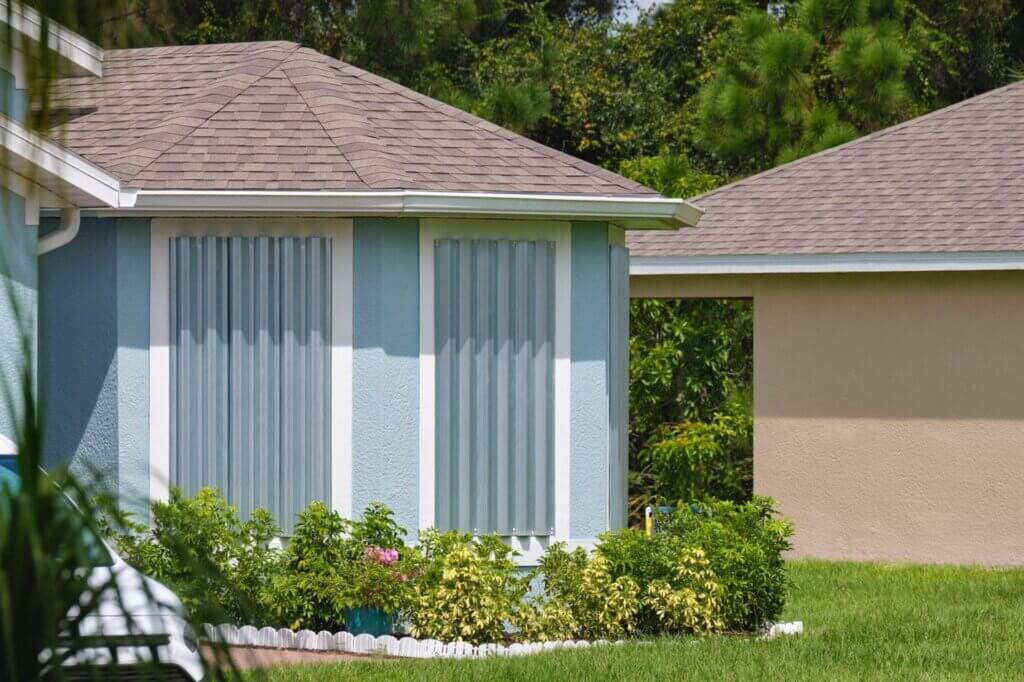
Hurricane Storm Panels: Multiwall Polycarbonate vs. Aluminum vs. Plywood

Hurricane storm panels on a home

When it comes to protecting your home with hurricane storm panels, you have a few options: multiwall polycarbonate, aluminum, and plywood. Your decision will come down to some key considerations: strength, durability, ease of installation, budget, etc. We compare these top three materials used for hurricane protection to help you find the right protection for you.

Regardless of which materials hurricane storm panels you ultimately purchase, you want a product or system that has been tested and certified as passing one of the large missile (i.e. 9-lb 2×4 wood member striking end on at a specified impact speed) impact-resistant standards. See Local and National Standards to get more information on the various test standards and performance requirements.

Continue reading Hurricane Storm Panels: Multiwall Polycarbonate vs. Aluminum vs. Plywood

How to Install a Pergola Using Twinwall


Twinwall pergola installed in a backyard

When it comes to extending the life of your pergola and enhancing its features, it’s crucial to carefully choose the quality of the materials you use to build it. Twinwall polycarbonate panels from Acme Plastics are an excellent, durable choice for your pergola roof, as they are lightweight, easy to install, and offer optimal light transmission. Twinwall polycarbonate is also thermally efficient because it traps air between the layers of its sheeting. While it offers many benefits, you need to be cautious when learning how to install a pergola roof panel properly. Below is a comprehensive guide on how to install a pergola roof with Twinwall panels from Acme Plastics.

Continue reading How to Install a Pergola Using Twinwall

Bullet-Resistant vs. Bulletproof: What’s the Difference?

Bulletproof glass with a bullet in it

Understanding the nuances between “bullet-resistant” and “bulletproof” can significantly impact your decision when selecting protective materials. Whether you’re upgrading the security of your home, office, or vehicle, knowing these differences ensures you choose the right level of protection for your needs. This guide will give a thorough explanation of bullet-resistant vs bulletproof materials in order to help you make an informed choice.

Continue reading Bullet-Resistant vs. Bulletproof: What’s the Difference?