

Firstly, when purchasing window materials, many customers focus on upfront price alone. However, the true cost of a window isn’t what you pay on day one, it’s what you pay over years of repairs, replacements, maintenance, and energy loss. That’s where clear polycarbonate sheet stands apart from traditional glass. Polycarbonate window replacement cost along with its undeniable durability make a better substitute than its glass counterpart.
Also, while glass may seem economical at first glance, polycarbonate often delivers significantly lower lifecycle costs thanks to its durability, impact resistance, insulation performance, and reduced maintenance needs. For commercial buildings, industrial facilities, and residential applications alike, the long-term savings can be substantial.
Key Takeaways: Polycarbonate Window Replacement Cost
- Upfront cost doesn’t equal total cost. The real expense of window materials includes long-term repairs, replacements, maintenance, and energy loss.
- Glass carries hidden recurring costs. Breakage, labor for reinstallation, downtime, and ongoing maintenance can significantly increase lifetime expenses.
- Polycarbonate dramatically reduces replacement frequency. With impact resistance up to 200 times stronger than glass, it is far less likely to crack or shatter.
- Fewer repairs mean lower labor and operational costs. Reduced service calls and minimal disruption help protect both budgets and productivity.
- Improved insulation can lower energy bills. Multiwall polycarbonate panels offer enhanced thermal performance compared to standard single-pane glass.
- Lightweight material reduces installation costs. Easier handling and faster installation translate to lower labor expenses and structural load requirements.
- Longer service life improves total cost of ownership. Over a 5–10 year period, polycarbonate often outperforms glass financially.
- Enhanced safety reduces liability risk. Because polycarbonate absorbs impact rather than shattering, it helps improve building safety.
- Polycarbonate is ideal for demanding environments. Storm-prone areas, industrial facilities, schools, and agricultural structures benefit from its durability.
- When evaluating glazing materials, lifecycle value matters most. For projects focused on durability, safety, and cost control, polycarbonate delivers stronger long-term ROI than traditional glass.
The Hidden Costs of Glass Windows

Secondly, glass has been a standard glazing material for decades, but it comes with recurring expenses that add up over time:
- Breakage from impact, storms, or temperature fluctuations
- Frequent replacements in high-traffic or high-risk areas
- Labor costs for removal and reinstallation
- Downtime for businesses during repairs
- Ongoing maintenance and sealing issues
In regions prone to severe weather, seasonal temperature swings, or heavy use environments, glass often becomes a repeated expense rather than a one-time investment.
Polycarbonate: Built for Long-Term Performance
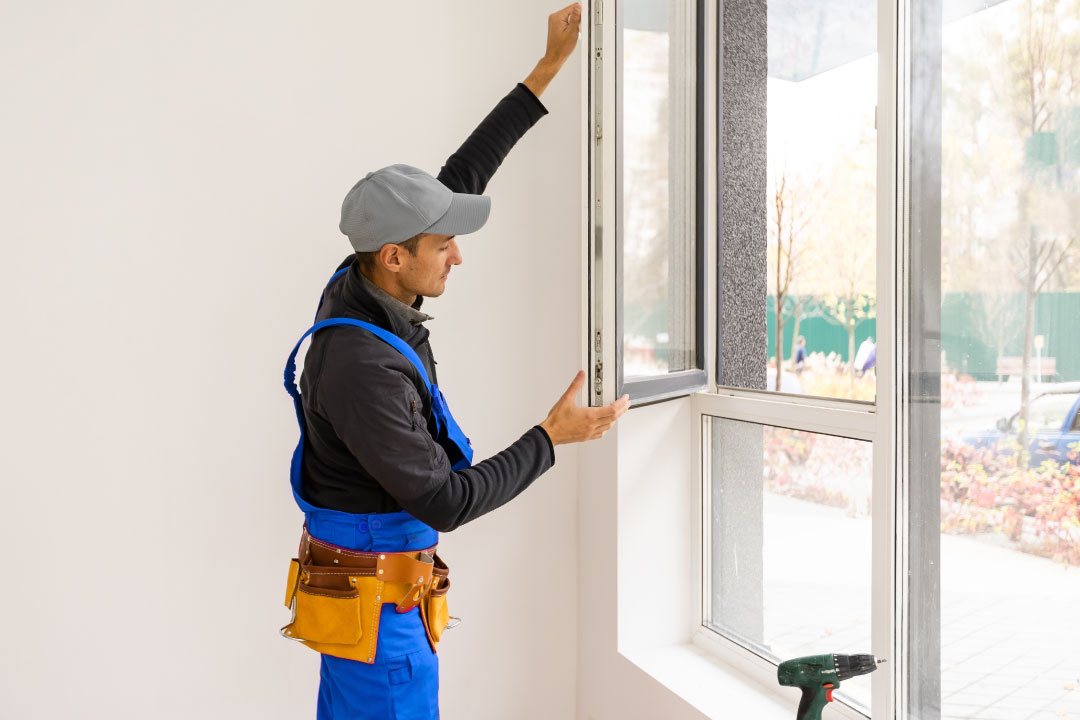
Additionally, polycarbonate is engineered to withstand impact and environmental stress. In fact, it is up to 200 times stronger than standard glass while remaining lightweight and optically clear.
Unlike glass, polycarbonate absorbs impact rather than shattering. This dramatically reduces the likelihood of replacement, especially in:
- Storm-prone areas
- Schools and public buildings
- Industrial facilities
- Warehouses
- Agricultural structures
Generally, fewer breakages mean fewer service calls, lower labor costs, and less disruption.
Lower Replacement Frequency = Lower Total Cost
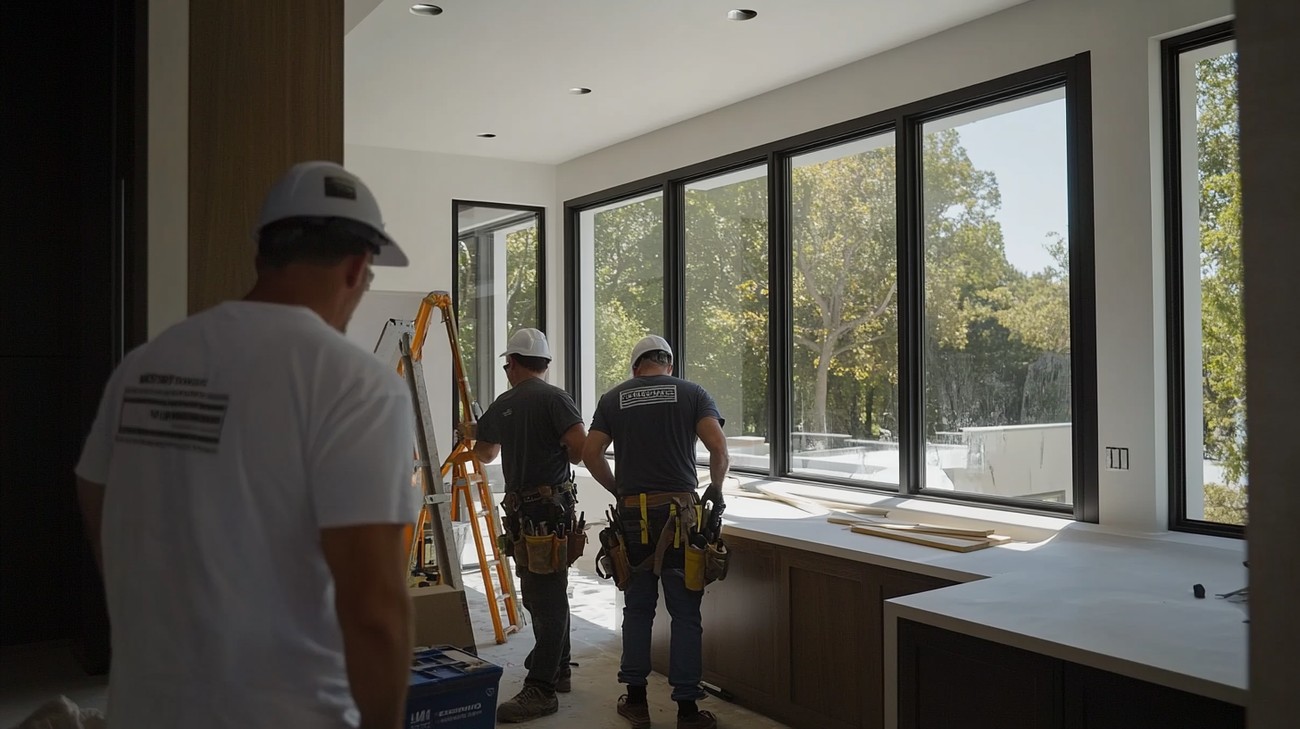
Therefore, even if glass costs slightly less upfront in some applications, repeated replacement quickly erodes any initial savings.
With polycarbonate, building owners often experience:
- Longer service life
- Reduced emergency repair expenses
- Lower long-term material spend
- Improved safety and liability protection
Over a 5- to 10-year period, the total cost of ownership frequently favors polycarbonate.
Energy Efficiency and Insulation Benefits

Certain polycarbonate configurations, including multiwall panels, provide enhanced thermal insulation compared to standard single-pane glass.
Improved insulation can help:
- Reduce heating and cooling costs
- Minimize temperature fluctuations
- Improve occupant comfort
- Support energy-efficient building goals
As well in commercial settings, even small improvements in thermal performance can translate into measurable annual savings.
Reduced Labor and Installation Costs
Additionally, polycarbonate is significantly lighter than glass, which creates added savings during installation and future servicing.
Benefits include:
- Easier handling and transport
- Reduced structural load requirements
- Faster installation times
- Lower labor costs
For large projects or retrofits, these savings can meaningfully impact overall project budgets.
Maintenance Savings Over Time

Moreover, glass is prone to cracking, chipping, and edge damage — especially in high-stress or exposed environments.
Polycarbonate offers:
- High impact resistance
- Resistance to many environmental stressors
- UV-protected options for long-term clarity
- Reduced need for frequent repairs
This durability helps lower ongoing maintenance costs and extends the useful life of window systems.
Calculating Total Cost of Ownership

Thus, when comparing glazing materials, decision-makers should evaluate:
- Initial material cost
- Installation labor
- Replacement frequency
- Maintenance costs
- Energy efficiency impact
- Safety and liability considerations
For example, in many commercial, industrial, and storm-exposed environments, polycarbonate delivers stronger long-term value than traditional glass.
A Smarter Investment for Long-Term Performance
In conclusion, choosing the right glazing lifecycle savings matter, clear polycarbonate window replacement cost is the clear winner and offers a strategic alternative to glass. Furthermore, by reducing breakage, minimizing maintenance, and improving energy performance, it helps protect both buildings and budgets.
At Acme Plastics, we supply high-quality clear polycarbonate sheets in a range of thicknesses and configurations. Whether ymaterial isn’t just about today’s budget — it’s about long-term performance and cost control.
For projects where durability, safety, and you’re replacing damaged glass windows or planning a new installation, our team can help you select the right solution for long-term value.
