
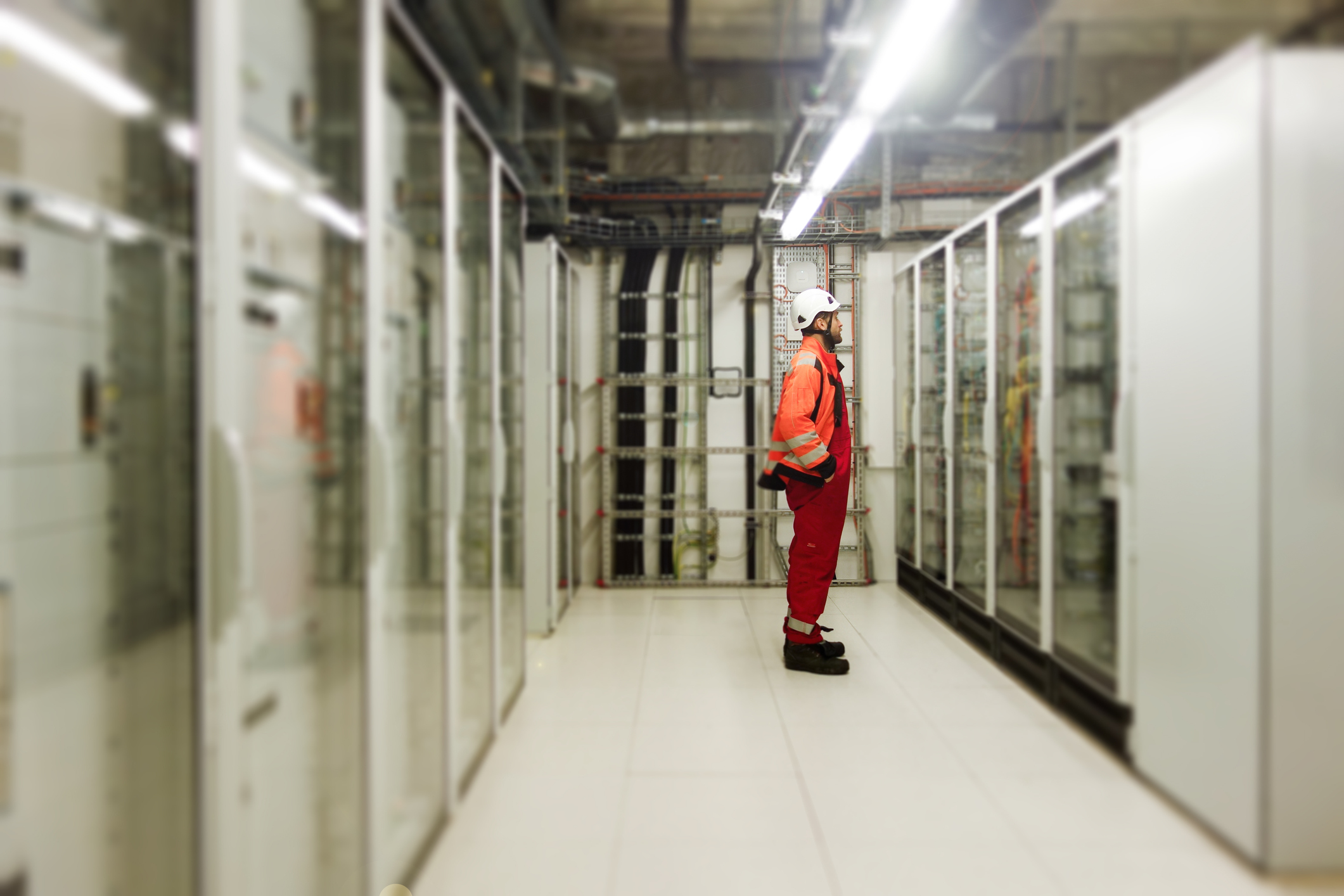
Advances in AI technology are driving the growth of data centers, but they’ve been around for decades to host servers, data storage, and network equipment. Data centers are the most energy-intensive building type, according to the U.S. Department of Energy. A 2024 United States Data Center Energy Usage Report, released by the U.S. Department of Energy, found domestic energy usage from data centers expected to double or triple by 2028. The report finds that data centers consumed about 4.4% of total U.S. electricity in 2023 and are expected to consume approximately 6.7 to 12% of total U.S. electricity by 2028.Data center containment plastics like twinwall polycarbonate can support better cooling efficiency.
Boasting excellent thermal properties, superior impact resistance, light weight and safety, they work to maximizes uptime and reduce cooling time for the servers and IT equipment.
Key Takeaways for Data Center Efficiency
- AI Growth Drives Higher Energy Demand: As artificial intelligence technology expands, U.S. data center energy usage is projected to double or triple by 2028—making energy efficiency a top priority for facility managers.
- Boost Cooling Performance with Containment Plastics: Hot and cold aisle containment systems made with twinwall polycarbonate prevent air mixing and can cut cooling energy costs by up to 30%, improving overall data center performance.
- Why Twinwall Polycarbonate Is the Smart Choice: This lightweight, durable, and flame-rated plastic offers better insulation and impact resistance than glass or metal, ensuring safer and more efficient data center operation.
- Meet Safety and Compliance Standards: Twinwall polycarbonate sheets comply with NFPA 75 and 76 fire safety standards, supporting both temperature control and fire protection for critical IT equipment.
- Sustainable and Cost-Effective ROI: Long-lasting and low-maintenance, twinwall polycarbonate delivers measurable energy savings and quick return on investment, helping data centers operate smarter and more sustainably.
- Partner with Acme Plastics: Explore flame-rated twinwall polycarbonate panels in custom sizes and finishes from Acme Plastics to build safer, more energy-efficient data centers.
1. How Hot & Cold Aisle Containment Works

The hot aisle/cold aisle layout is a highly effective airflow management strategy for an energy-efficient data center. By preventing cold supply air from mixing with hot exhaust air, it results in savings from 10 to 35 percent. Adding containment or enclosures utilizing barriers, such as plastic curtains and Plexiglass sheets, further prevents the mixing of hot exhaust air with cold supply air. The separation of hot and cold aisles essentially allows the computer room air conditioning (CRAC) units to reduce fan speeds, use higher temperature chilled water, and use economizers more often to take advantage of lower air temps for energy-efficient free cooling.
Here’s how it works: Most servers will intake air from the front and exhaust hot out the back of the unit. When placed in rows, the front (intake) will face the back (exhaust) of the units in the preceding row. This creates heated air that the units will need to cool to minimize overheating—and that requires even more energy. One solution to arrange the servers so their backs face each other (creating a hot aisle) and the fronts face each other (creating a cold aisle) and then twinwall polycarbonate is used as barriers to keep the cold aisle air cold and the hot aisle air hot. The plastic’s thermal properties prevent the air from mixing and provides an efficient cooling strategy
2. Why Twinwall Polycarbonate Outperforms Glass and Metal

Twinwall polycarbonate’s superior insulation properties, impact resistance, and light weight give it an edge compared to traditional materials. Here’s a closer look at the qualities that make it a better choice.
Insulation – Unlike metal and glass, twinwall polycarbonate has a hollow-cell design that traps heat for better insulation to reduce cooling costs.
Temperature extremes – Polycarbonate can withstand extreme temperatures, whereas glass can shatter or break at higher temperatures.
Impact resistance – The material’s durability ensures excellent impact resistance. It doesn’t dent from impact like metal or shatter like glass.
Lightweight – Twinwall polycarbonate weighs less than glass and metal. This makes it much easier (and safer) to handle for installation and removal when necessary.
3. Meeting Flame & Safety Standards for Data Centers

Twinwall polycarbonate is flame-rated to meet strict data center facility safety requirements. National Fire Protection Association (NFPA) standards 75 and 76 are applicable to data centers. NFPA 75 is the standard for fire protection for information technology equipment. NFPA 76 sets standards for telecommunication companies. To be compliant with fire and building codes, there are three required levels of protection:
- Building level – includes fire sprinklers, fire walls, fire extinguishers
- Room level – includes pre-action sprinklers, wet pipe sprinkler systems, clean agent gas systems
- Rack level – includes automatic fire suppression systems
In the event of a fire, twinwall polycarbonate material melts at extremely high temperatures, without spreading flames. Using data center containment plastics can also minimize or isolate damage if a fire occurs.
4. Long-Term Energy Savings and ROI

Energy costs are one of the biggest challenges for modern data centers. According to Energy Star, cold aisle containment—which can be implemented easily and quickly—can reduce cooling-related energy costs by as much as 30 percent. It typically carries a payback time measured in a few weeks to a few months. Depending on whether utility rebates are available to help offset project costs.
Besides being easy to install, flame-rated, and energy efficient, twinwall carbonate is very durable and lasts a long time. This increases the return on investment as the polycarbonate rarely needs replacement over the life of a data center.
In addition, twinwall polycarbonate’s higher flame rating means lower insurance rates, saving money in that regards as well.
5. Build Smarter Data Centers with Acme Plastics

In conclusion, Data center containment plastics like twinwall polycarbonate offer data centers temperature control, fire safety, and ease of fabrication. Acme Plastics has flame-rated twinwall polycarbonate available in standard and cut-to-size options in a range of thicknesses and finishes. Bulk ordering options and volume pricing for recurring orders are also available. Contact Acme Plastics today to discuss how we can help you boost the energy efficiency of your data center.
