Why Aviation Manufacturers Prefer Plastics

aerial photography of airliner

There’s absolutely no room for compromise when it comes to aviation manufacturing. Aviation plastics used in an aircraft must meet rigorous standards for safety and performance while helping manufacturers keep production costs under control.

Built to withstand challenging operating conditions, engineered aviation plastics offer the ideal combination of strength, lightweight performance, and chemical resistance. They ultimately support greater fuel efficiency without having to sacrifice on durability.

In this guide, we’ll explore the benefits of aviation plastics, where they’re commonly used in aircraft, and why they’ve become an essential material for today’s aviation industry.

Key Takeaways

  • High-performance aviation plastics help reduce aircraft weight while maintaining performance.
  • Many engineering plastics resist chemicals, corrosion, and demanding operating conditions.
  • Aviation plastics are used in aircraft interiors, mechanical components, electrical systems, and ground support equipment.
  • Selecting the right material depends on application requirements, regulations, and operating conditions.
Continue reading Why Aviation Manufacturers Prefer Plastics

Common Plastics for the Sports Industry and Their Applications

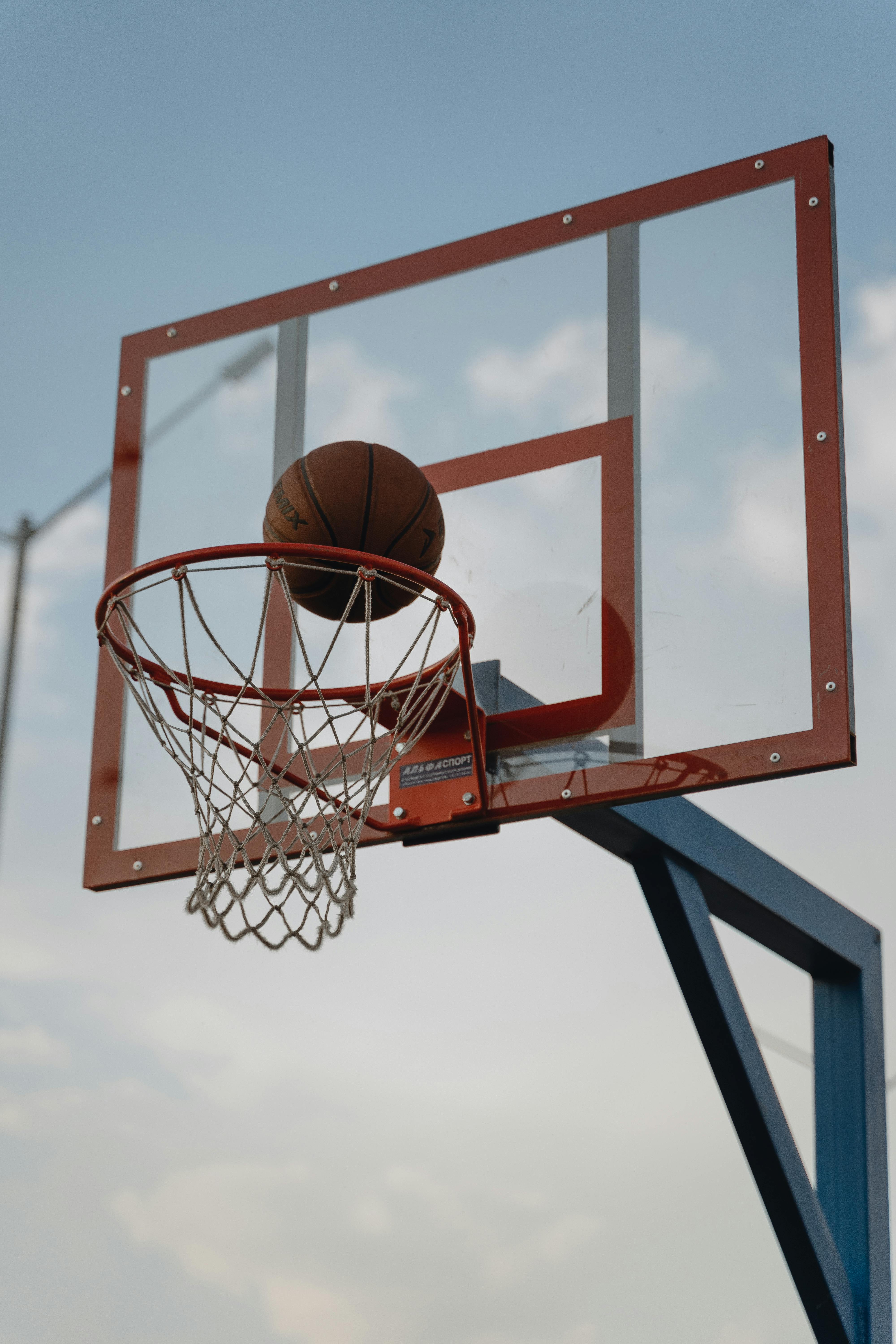
To begin with, it is widely understood that common plastics for the sports industry are used in nearly every aspect of modern sports, from athlete protection to facility construction and event branding. Hence, some of the most common applications include:

  • Protective Barriers & Shields: Polycarbonate panels provide clear, impact-resistant enclosures in hockey rinks, batting cages, and stadiums, keeping both athletes and spectators safe.
  • Athletic Equipment: ABS and UHMW plastics are used in helmets, padding, and protective guards to deliver lightweight strength.
  • Facility Construction: HDPE is a popular choice for locker room benches, wall panels, flooring, and other high-traffic areas due to its durability and moisture resistance.
  • Signage & Branding: Acrylic and expanded PVC boards allow for crisp, professional signage in stadiums, gyms, and recreational events.
  • Outdoor Sports & Recreation: UV-stabilized plastics ensure long-term performance in scoreboards, field enclosures, and playground equipment.

In addition, these applications showcase how plastic materials for sports facilities are essential for both safety and performance, providing solutions that traditional materials cannot match.

Key Takeaways for Common Plastics in the Sports Industry

  • Plastics are integral to modern sports—used in everything from athlete protection and facility construction to signage and event branding.
  • Polycarbonate, acrylic, HDPE, UHMW, and ABS are among the most common materials, chosen for their impact resistance, clarity, strength, and versatility.
  • Protective barriers and sports equipment benefit from plastics’ lightweight durability and superior safety performance.
  • Facility construction and branding rely on moisture-resistant and visually appealing plastics for benches, wall panels, flooring, and signage.
  • Custom fabrication capabilities at Acme Plastics—such as CNC routing, forming, and precision cutting—ensure materials meet exact specifications for any sports project.
  • Emerging trends in the sports industry include sustainable and modular designs, recyclable materials, and advanced lightweight components for enhanced performance.
  • Acme Plastics partners with sports organizations to deliver reliable, high-performance materials and custom solutions tailored to every application.

Continue reading Common Plastics for the Sports Industry and Their Applications

How UHMW for Conveyors Extends the Life of Your System


conveyor systems

A mainstay of manufacturing, conveyor systems help move goods from one place to another. Used in a multitude of industries, they offer a safe, efficient system to manage bulk materials, industrial goods, and food/beverage bottling and packaging. They are also utilized in airports, grocery stores, and other food service environments. Wear-resistant plastics, like UHMW for conveyors (ultra-high molecular weight polyethylene), are the go-to material for these systems thanks to their unique combination of strength, durability, and low friction that enables optimal performance and extends the life of all conveyor parts.

Here’s a look at the material’s properties that make UHMW for conveyors a smart choice for transporting goods from one location to another

Key Takeaways

  • Conveyor systems are essential across industries—from manufacturing and packaging to airports and food service—for efficiently moving goods and materials.
  • UHMW (Ultra-High Molecular Weight Polyethylene) is the preferred material for conveyors due to its strength, durability, and low-friction surface, which enhances performance and longevity.
  • Low friction reduces energy consumption and motor strain, making UHMW ideal for moving heavier loads efficiently.
  • Exceptional wear resistance—up to six times greater than steel—minimizes abrasion, impact damage, and costly downtime, while its self-lubricating properties lower maintenance needs.
  • FDA-compliant UHMW is widely used in food and beverage conveyors thanks to its moisture resistance, bacteria resistance, and ability to withstand sanitation processes.
  • Compliance with HACCP, CGMP, and SQF certifications ensures safety, hygiene, and regulatory adherence in food processing environments.
  • Compared to metal parts, UHMW offers lighter weight, quieter operation, corrosion resistance, and easier maintenance, making it a cost-effective alternative.
  • Acme Plastics provides UHMW sheets, rods, and custom-cut components tailored for conveyor systems to ensure smooth, reliable operation. Continue reading How UHMW for Conveyors Extends the Life of Your System

The Best Corrosion-Resistant Plastic for Tropical Saltwater

corrosion-resistant plastics

In tropical marine environments, materials face harsh conditions like strong sunlight and saltwater corrosion. Wood and metal can’t handle these conditions well, so corrosion-resistant plastics are a better choice. These plastics are strong and protect against saltwater and sun damage. Knowing the benefits of corrosion-resistant plastics helps ensure long-lasting performance in tropical marine use.

Continue reading The Best Corrosion-Resistant Plastic for Tropical Saltwater

How to Cut UHMW

UHMW (ultra-high molecular weight polyethylene) has all the characteristics of high-density polyethylene (HDPE), but it’s also resistant to concentrated acids, alkalis, and numerous organic solvents.  The durable material is also resistant to abrasion, impact, and corrosion, while remaining lightweight.

With all of this in mind, UHMW is often used to create food service cabinetry, docks, boom trucks and outrigger pads, guard rails, high-speed conveyors, bumpers, pile guards, and dock fenders.

Key Takeaways

  • UHMW is highly durable — Resistant to abrasion, impact, corrosion, concentrated acids, alkalis, and many solvents, while remaining lightweight.
  • Common applications include food service cabinetry, docks, conveyor systems, bumpers, guard rails, and outrigger pads.
  • Safety first — Always wear goggles, gloves, and a dust mask; secure the sheet with clamps; and use coolants (water or wax) to prevent melting.
  • Cutting options — UHMW can be cut with circular saws, band saws (preferred for heat control), jigsaws, routers, and even drilled or machined with proper cooling.
  • Welding is limited — Only friction or butt welding is recommended, and bonding is not effective for UHMW.

Continue reading How to Cut UHMW