
In tropical marine environments, materials face harsh conditions like strong sunlight and saltwater corrosion. Wood and metal can’t handle these conditions well, so corrosion-resistant plastics are a better choice. These plastics are strong and protect against saltwater and sun damage. Knowing the benefits of corrosion-resistant plastics helps ensure long-lasting performance in tropical marine use.
Key Challenges for Plastics in Tropical Saltwater
Firstly, tropical saltwater is hard on materials that aren’t built for the sun, humidity, and salt. Plastics can have problems like UV damage, salt corrosion, temperature changes, and biofouling. Let’s take a closer look at these issues.
UV Degradation
The sun’s UV rays can damage materials. Plastics that stay in the sun too long can become brittle, change color, and get weaker. In tropical areas, where the sun is very strong, this happens faster. Thus, it’s important to pick plastics that will stay strong and work well for a long time.
Salt Corrosion
Saltwater is very strong and can damage materials, especially in tropical areas. It makes metals rust and wear faster. Plastics resist corrosion better than metals, but not all plastics are the same. The best corrosion-resistant plastics protect against saltwater to stay useful for a long time.
Temperature Expansion
Tropical climates are hot and humid, which affects materials. Plastics, like other materials, change size with temperature. Materials that expand too much can bend, crack, or break. That’s why it’s important to choose plastics that can handle heat and stay stable in changing temperatures.
Biofouling
Biofouling happens when marine organisms like algae, barnacles, and mollusks grow on submerged surfaces. This can cause problems for boats, docks, and other structures in saltwater. Plastics that resist biofouling need less cleaning and maintenance, saving time and money while helping things work better.
Best Plastics for Tropical Saltwater Applications
However, when it comes to tropical saltwater applications, selecting the right plastic is key. Here are some of the best UV-resistant and corrosion-resistant plastics for tropical settings.
HDPE (High-Density Polyethylene)
Also, HDPE is known for resisting UV rays, saltwater, and impact, making it great for tropical saltwater areas. It’s commonly used in docks, marine pipes, and boat parts because it’s strong and durable. HDPE needs little maintenance and lasts a long time, making it ideal for tropical marine environments.
UHMW (Ultra-High Molecular Weight Polyethylene)
UHMW is a strong plastic that lasts a long time. It resists impact and wear, making it perfect for moving parts that get repeated stress, like in boat hulls or docks. Additionally, UHMW resists saltwater, so it stays strong in tropical marine environments and works well in tough conditions.
Acrylic & Polycarbonate
Acrylic and polycarbonate are clear plastics that resist UV rays. These plastics are often used for boat windows, hatches, windshields, and aquariums. Additionally, they resist impacts and weather, so they stay clear and work well in marine environments with UV rays and saltwater.
PVC & CPVC
PTFE (Teflon)
Applications of UV- and Corrosion-Resistant Plastics
Also, UV-resistant and corrosion-resistant plastics are important for many marine and coastal uses. Here are some common ways they are used in tropical saltwater areas.
Boat Components
Consequently, boats face tough conditions in tropical waters. Plastics like HDPE and acrylic are used for parts like windows, hatches, and hulls. These plastics protect against UV damage and saltwater, helping the boat stay in good shape for years.
Marine Structures
Docks, piers, and floating platforms are important for coastal areas. Plastics like HDPE and UHMW make these structures strong and long-lasting. They resist saltwater and UV damage, helping the structures stay safe and strong over time.
Aquariums and Enclosures
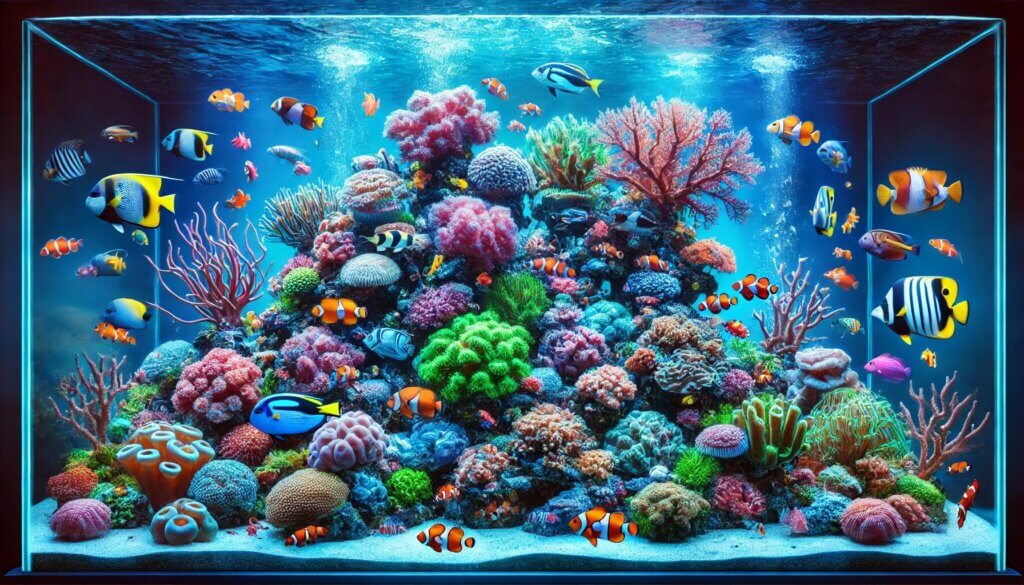
Saltwater aquariums and research facilities need materials that can resist saltwater and UV light. Acrylic and polycarbonate are great for this. They are clear and don’t get damaged by UV light or saltwater. These plastics are often used for tanks, enclosures, and other marine research parts.
Coastal Construction
Coastal construction projects, like bridges, seawalls, and underwater pipes, need strong materials that can handle harsh tropical saltwater. PVC, CPVC, and HDPE are great choices because they resist corrosion and sun damage. These plastics help make sure structures last a long time, even in tough conditions.
How to Choose the Right Plastic for Your Tropical Marine Needs
Selecting the best plastic for tropical saltwater applications depends on several factors, including:
Evaluating UV Exposure, Water Movement, and Load-Bearing Requirements
For this reason, think about how much UV exposure the material will get, how much water movement there will be, and how much weight it needs to support. UV-resistant plastics are important for materials in direct sunlight, while plastics that resist impact are better for places with strong water movement.
Long-Term Maintenance and Replacement Considerations
Moreover, It’s important to consider how long the material will last and how easy it is to maintain. For example, plastics that resist biofouling, therefore, need less cleaning and repair, which reduces the need for replacements over time.
Why Acme Plastics’ Marine-Grade Materials Provide the Best Durability
In conclusion, At Acme Plastics, we provide top-quality materials that are made to handle tough tropical saltwater conditions. Our plastics resist UV rays and corrosion, keeping your boats, marine structures, and coastal buildings safe for years.
For more information, visit Acme Plastics’ marine-grade product selection.
