
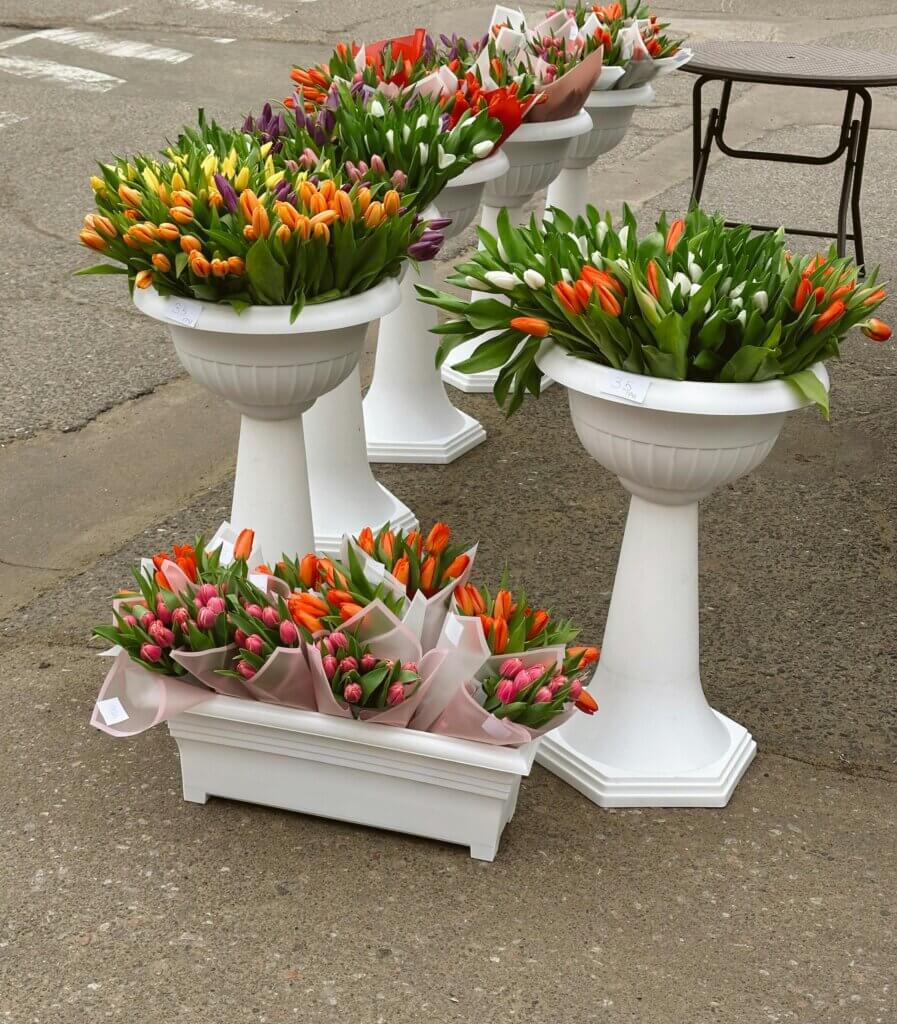
When it comes to choosing the right planter, material matters. While ceramic, clay, and metal planters are a popular choice, plastic planters offer unmatched versatility, durability, and practicality—making them a smart choice for both indoor and outdoor gardening.
Different plastic materials provide unique advantages, which is why they’re widely used in planter manufacturing. From the toughness of HDPE to the sleek appearance of acrylic, plastics offer flexibility in both performance and design. Understanding these materials can help gardeners and designers choose planters that best match their environment and aesthetic goals.
Key Takeaways
- Plastic planters are lightweight and easy to move, making them ideal for patios, balconies, offices, and indoor gardens where flexibility matters.
- Durable plastics like HDPE and polycarbonate offer excellent resistance to impact, moisture, and changing weather conditions.
- Plastic materials help retain soil moisture, which can reduce watering frequency compared to porous materials like terracotta or clay.
- Weather-resistant performance allows plastic planters to withstand temperature fluctuations without cracking or rusting.
- Modern plastics can mimic premium materials such as stone or ceramic while remaining far more lightweight and cost-effective.
- Versatile plastic materials from companies like Acme Plastics make it possible to create planters in a wide variety of shapes, finishes, and sizes.
- Plastic planters offer a balance of function, durability, and style, making them a practical solution for both residential and commercial plant displays.
Lightweight and Easy to Handle
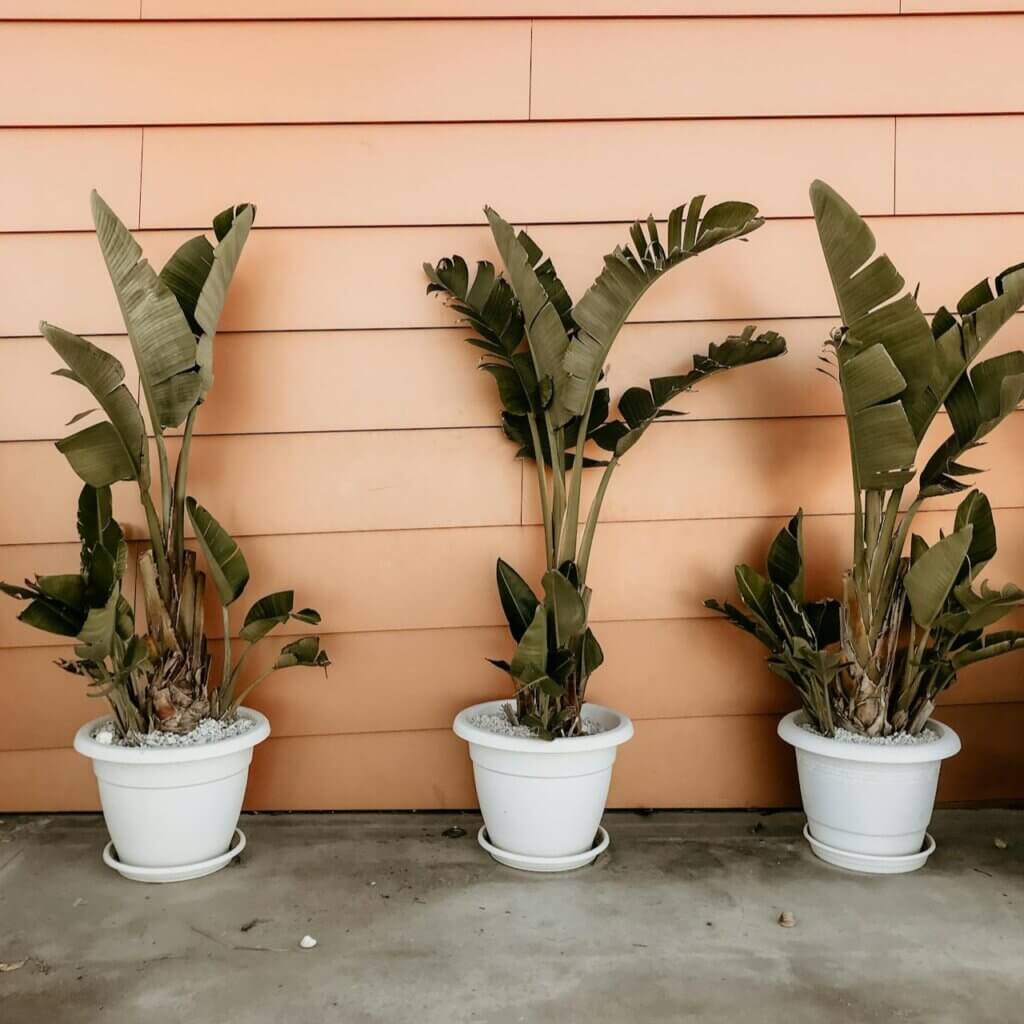
Plastic planters are incredibly lightweight compared to ceramic, stone, or concrete alternatives. Materials such as HDPE (high-density polyethylene)—a popular plastic available from Acme Plastics—offer excellent strength while remaining easy to handle. This makes moving, rearranging, or storing your plants much easier, especially for larger specimens or seasonal setups. No more struggling to lift a heavy pot just to refresh your space.
Long-Lasting Durability
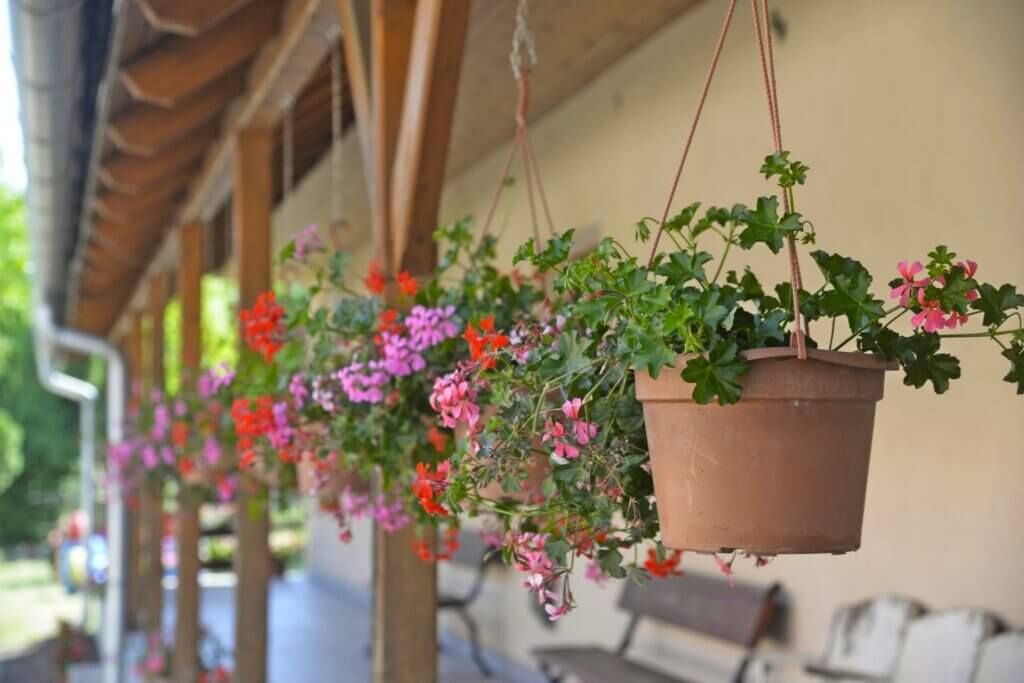
Unlike clay or terracotta, which can crack in freezing temperatures, or metal, which may rust, plastic planters are weather-resistant and built to last. Durable plastics like HDPE and polycarbonate are built to withstand impact, moisture, and changing outdoor conditions. These materials help ensure planters won’t chip, crack, or degrade easily, making them ideal for long-term use in gardens, patios, and commercial landscaping.
Better for Plants

Plastic planters retain moisture longer than porous materials like clay, reducing the risk of your plants drying out too quickly. Plastics such as polyethylene and polycarbonate also provide stable, non-porous surfaces that help maintain consistent soil conditions. In combination with proper drainage features, these materials support healthier plant growth while minimizing watering challenges.
Stylish and Affordable

Modern plastic planters are available in a wide range of colors, textures, and shapes, giving you style without compromise. Advanced plastics—including polycarbonate and high-performance polyethylene materials offered by Acme Plastics—can be molded and finished to resemble premium materials like stone, ceramic, or metal while remaining lightweight and cost-effective.
The Smart Choice for Every Space
Whether you’re decorating a balcony, office, patio, or indoor garden, plastic planters combine function, durability, and aesthetic appeal. With versatile materials like HDPE and polycarbonate, modern plastic planters provide long-lasting performance while offering the flexibility designers and plant lovers need for virtually any environment.
