Preparing for Hurricane Season in Miami with Polycarbonate Twinwall and Multiwall Sheets


Hurricane season in Miami brings intense weather conditions that can challenge homes, businesses, and commercial facilities alike. For those preparing with polycarbonate twinwall sheets Miami, strong winds, heavy rain, and airborne debris make selecting durable, weather-resistant materials essential well before storm activity develops.

When evaluating materials for outdoor projects and weather-exposed applications, durability and performance matter. Polycarbonate twinwall and multiwall sheets offer lightweight, yet durable solutions designed to withstand demanding environments while providing long-term weather resistance and versatility.

For Miami property owners and contractors, these materials may help support projects that require strength, insulation, and dependable outdoor performance during hurricane season and beyond.

Key Takeaways

  • Miami hurricane season brings strong winds, heavy rain, and moisture exposure, making durable outdoor materials an important consideration.
  • Polycarbonate twinwall and multiwall sheets offer a lightweight yet durable solution for weather-exposed projects.
  • The chambered design provides a balance of strength, insulation, and light transmission.
  • Polycarbonate sheets are valued for their impact resistance and long-term outdoor durability.
  • Twinwall and multiwall sheets resist moisture and are designed to perform in changing weather conditions.
  • Lightweight construction supports easier handling and installation compared to heavier materials.
  • Common applications include patio covers, pergolas, greenhouses, canopies, roofing, and outdoor enclosures.
  • Choosing the right thickness and configuration helps support long-term project performance.
  • Preparing outdoor spaces before hurricane season can help property owners and businesses plan more effectively.
  • Acme Plastics offers polycarbonate twinwall and multiwall sheet solutions for residential, commercial, and industrial applications.

Continue reading Preparing for Hurricane Season in Miami with Polycarbonate Twinwall and Multiwall Sheets

The Best Hurricane Signage Materials and Non-Residential Barrier Solutions

Hurricane Prep Materials

Businesses, schools, and organizations face unique risks during hurricane season. Besides securing a physical location against storm threats, they need to protect all assets and any occupants inside. From securing windows and doors to selecting the best materials for interior walls and outdoor signage, there is more to consider when planning hurricane protection for a non-residential space, including the best hurricane signage materials and storm-resistant plastic sheets.

Key Takeaways

  • Businesses need more than plywood for protection. While affordable, plywood is heavy, single-use, and difficult to install for large storefronts or signage.
  • Polycarbonate panels offer superior exterior protection. Ideal for windows and doors, polycarbonate resists high winds, flying debris, and potential post-storm break-ins.
  • Expanded PVC strengthens interiors. This water-, mold-, and pest-resistant plastic is excellent for walls and surfaces in high-traffic commercial spaces.
  • Choose hurricane-rated signage materials. Acrylic and PVC are durable, weather-resistant options for permanent displays, while corrugated plastic signs should be stored indoors during storms and reused afterward.
  • Storm-resistant plastics protect community infrastructure. Schools, hospitals, and municipal buildings benefit from polycarbonate storm windows, protective LED display covers, and expanded PVC as a wood alternative.
  • Plastic sheets deliver long-term value. Unlike plywood, storm-resistant plastics are reusable, lightweight, and easy to install and store—making them a more cost-effective solution over time.
  • Acme Plastics provides custom, reliable hurricane protection. Businesses and organizations can order bulk quantities, custom cut sizes, and enjoy nationwide delivery for all storm-prep materials. Continue reading The Best Hurricane Signage Materials and Non-Residential Barrier Solutions

Why Polycarbonate Storm Panels Are the Gold Standard for Hurricane Protection


Hurricane Protection


With an average of 14 storms each year, hurricane season brings the threat of forceful winds and torrential rain that can result in widespread devastation. Polycarbonate storm panels can help protect windows and doors from the destruction caused by these severe storms. The thermoplastic is not the only material that can withstand those dangers, but for many structures, it’s the gold standard.

When considering your options for protection, there are three materials to choose from: metal, plywood, and polycarbonate storm panels. All three materials are effective but have distinct advantages and disadvantages. While plywood is inexpensive, it can only be used one time; metal shutters can corrode and rust from repeated storms; and polycarbonate can be costly and is prone to scratching. That said, hurricane protection plastics, such as 16 mm polycarbonate, have advantages over the competition, including:

  • Impact resistance – Polycarbonate hurricane panels can withstand winds in excess of 155 miles per hour and impacts from airborne projectiles. This protects the structure from interior damage due to wind and water.
  • Durability – Polycarbonate is resistant to moisture, corrosion, and UV rays, keeping its structural integrity intact for decades.
  • Lightweight – The lightweight panels are easy to handle, allowing them to be installed quickly by a homeowner. Their weight also makes them a great choice for larger windows and doors.
  • Light transmission – The material’s translucency allows light to filter through. That’s beneficial when storm preparation occurs days leading up to a storm as well as potential power outages during a storm.

Key Takeaways

  • Hurricane season averages 14 storms per year, bringing high winds and heavy rain that can cause major damage.
  • Polycarbonate storm panels are one of the strongest, longest-lasting options compared to plywood and metal.
  • They offer impact resistance against winds over 155 MPH and flying debris.
  • Durable and weather-resistant: won’t warp, rust, corrode, or yellow from UV exposure.
  • Lightweight and translucent, making them easy to install and allowing natural light to filter through.
  • Proven performance: Miami-Dade County Hurricane tested for missile impact and 170 MPH winds.
  • Outlasts plywood and metal barriers, with minimal maintenance required.
  • Useful for residential and commercial properties—including retail, schools, offices, shelters, and historic sites.
  • Provide long-term cost savings, since panels can be reused for decades.
  • Approved for direct mount installation in Florida and Miami-Dade, saving on framing and labor costs. Continue reading Why Polycarbonate Storm Panels Are the Gold Standard for Hurricane Protection

Hurricane Storm Panels: Multiwall Polycarbonate vs. Aluminum vs. Plywood

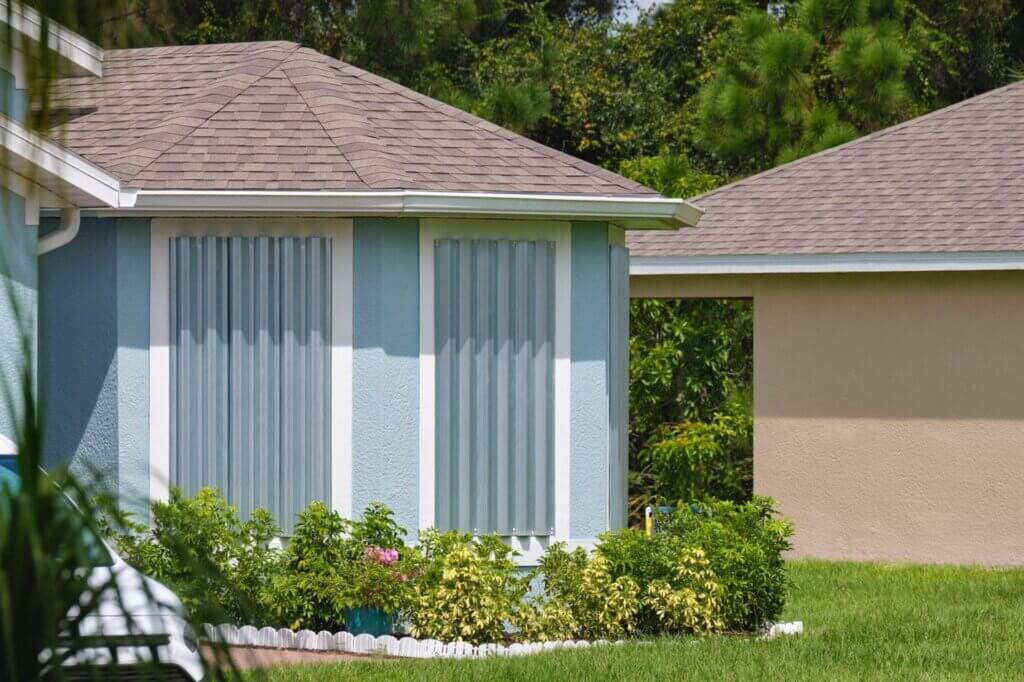
Hurricane storm panels on a home

When it comes to protecting your home with hurricane storm panels, you have a few options: multiwall polycarbonate, aluminum, and plywood. Your decision will come down to some key considerations: strength, durability, ease of installation, budget, etc. We compare these top three materials used for hurricane protection to help you find the right protection for you.

Regardless of which materials hurricane storm panels you ultimately purchase, you want a product or system that has been tested and certified as passing one of the large missile (i.e. 9-lb 2×4 wood member striking end on at a specified impact speed) impact-resistant standards. See Local and National Standards to get more information on the various test standards and performance requirements.

Continue reading Hurricane Storm Panels: Multiwall Polycarbonate vs. Aluminum vs. Plywood

Multiwall Polycarbonate Hurricane Panels: The Ultimate Defense Against Hurricane


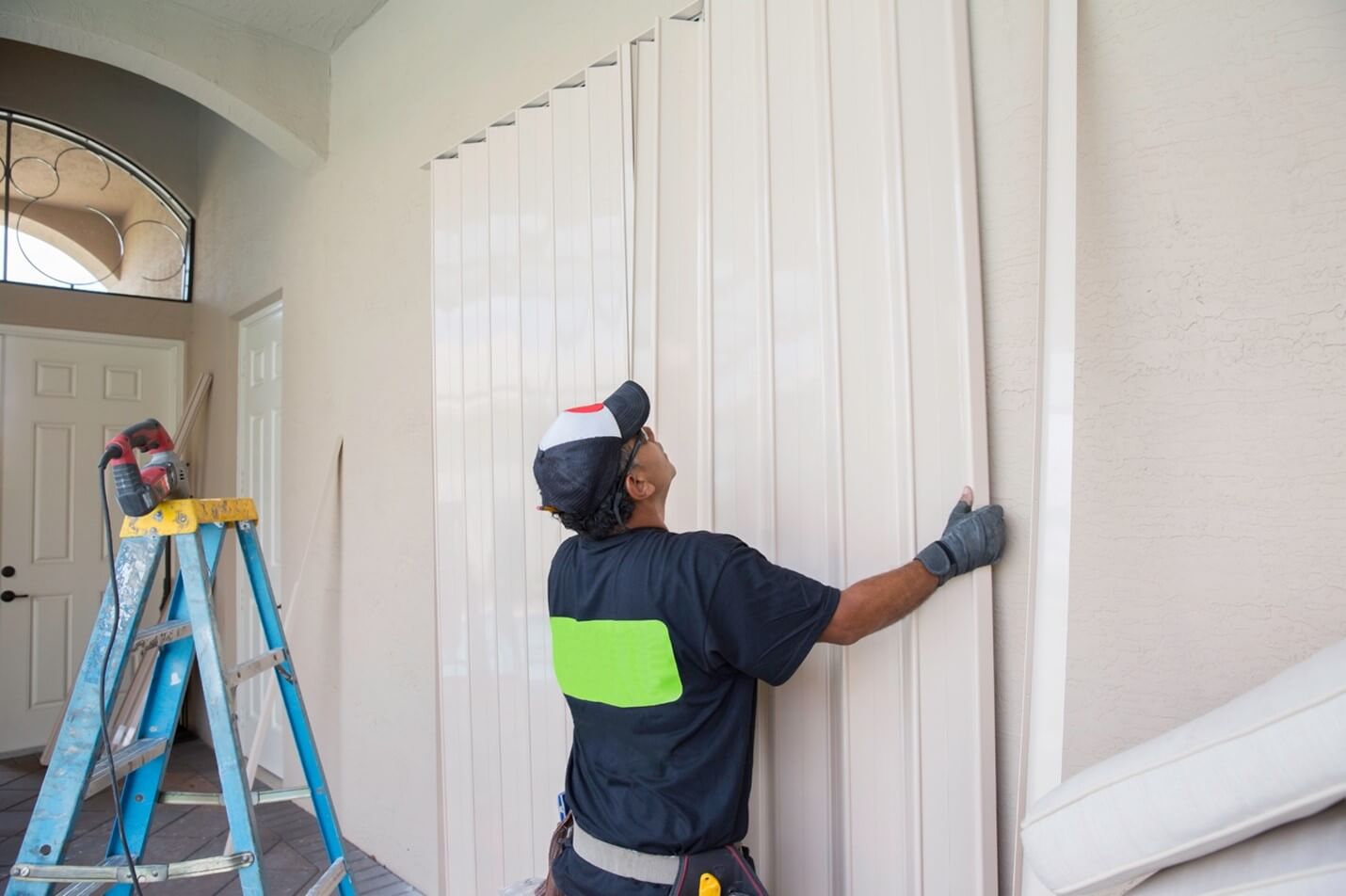
Installation of hurricane panels

Hurricanes are the costliest weather disasters in the United States. According to the NOAA Office for Coastal Management, tropical cyclones (hurricanes) have caused over $1.3 trillion in damages from storms that occurred between the years 1980 and 2023.

Hurricane hazards, including high-velocity winds and torrential rain, are extremely destructive and pose risks to both life and property. If you live or own property in a hurricane-prone area, FEMA recommends you reinforce, strengthen, or retrofit the property to reduce the risk of damage. Having the proper protection in place to board up glass windows and doors is one essential and provides peace of mind if you need to evacuate. An effective material to help defend your home from damage is multiwall polycarbonate hurricane panels. Below, we discuss what they are and how they can help.

Continue reading Multiwall Polycarbonate Hurricane Panels: The Ultimate Defense Against Hurricane