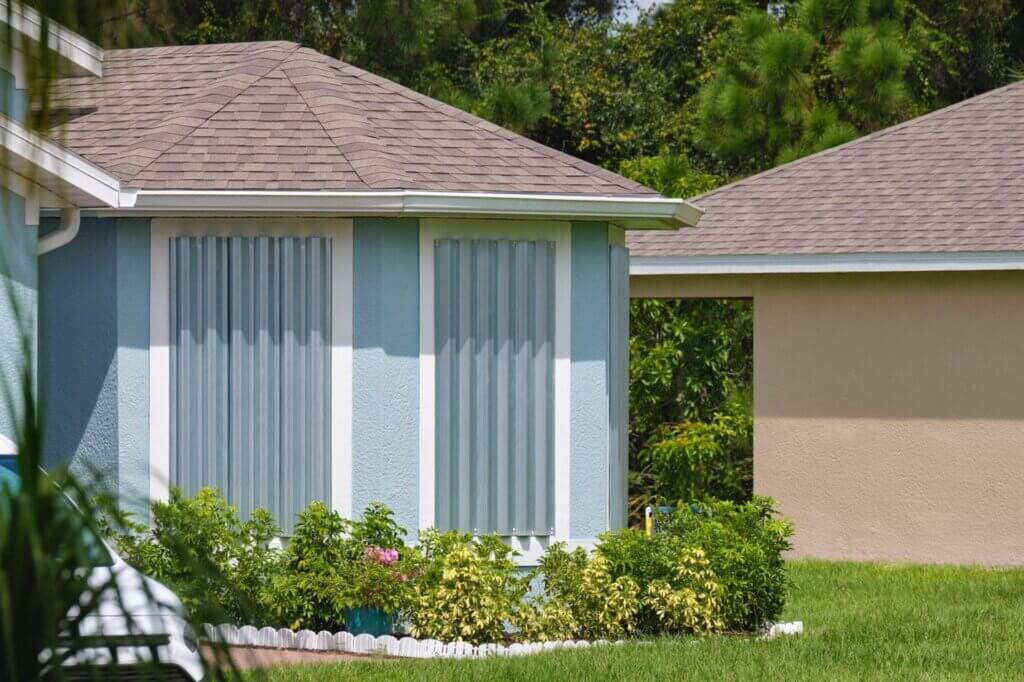
With an average of 14 storms each year, hurricane season brings the threat of forceful winds and torrential rain that can result in widespread devastation. Polycarbonate storm panels can help protect windows and doors from the destruction caused by these severe storms. The thermoplastic is not the only material that can withstand those dangers, but for many structures, it’s the gold standard.
When considering your options for protection, there are three materials to choose from: metal, plywood, and polycarbonate storm panels. All three materials are effective but have distinct advantages and disadvantages. While plywood is inexpensive, it can only be used one time; metal shutters can corrode and rust from repeated storms; and polycarbonate can be costly and is prone to scratching. That said, hurricane protection plastics, such as 16 mm polycarbonate, have advantages over the competition, including:
- Impact resistance – Polycarbonate hurricane panels can withstand winds in excess of 155 miles per hour and impacts from airborne projectiles. This protects the structure from interior damage due to wind and water.
- Durability – Polycarbonate is resistant to moisture, corrosion, and UV rays, keeping its structural integrity intact for decades.
- Lightweight – The lightweight panels are easy to handle, allowing them to be installed quickly by a homeowner. Their weight also makes them a great choice for larger windows and doors.
- Light transmission – The material’s translucency allows light to filter through. That’s beneficial when storm preparation occurs days leading up to a storm as well as potential power outages during a storm.
Key Takeaways
- Hurricane season averages 14 storms per year, bringing high winds and heavy rain that can cause major damage.
- Polycarbonate storm panels are one of the strongest, longest-lasting options compared to plywood and metal.
- They offer impact resistance against winds over 155 MPH and flying debris.
- Durable and weather-resistant: won’t warp, rust, corrode, or yellow from UV exposure.
- Lightweight and translucent, making them easy to install and allowing natural light to filter through.
- Proven performance: Miami-Dade County Hurricane tested for missile impact and 170 MPH winds.
- Outlasts plywood and metal barriers, with minimal maintenance required.
- Useful for residential and commercial properties—including retail, schools, offices, shelters, and historic sites.
- Provide long-term cost savings, since panels can be reused for decades.
- Approved for direct mount installation in Florida and Miami-Dade, saving on framing and labor costs. Continue reading Why Polycarbonate Storm Panels Are the Gold Standard for Hurricane Protection