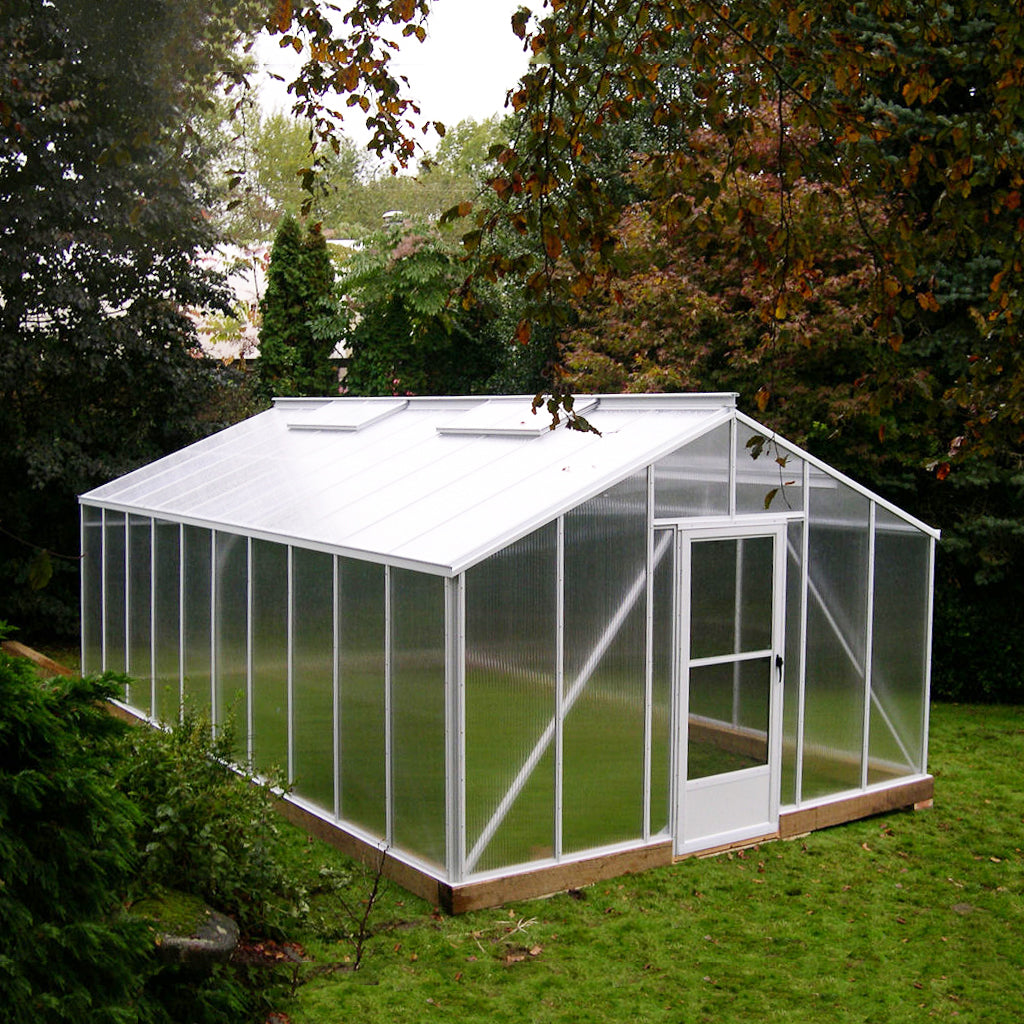
Summer is the season for outdoor entertaining, relaxing evenings, backyard dining, and making the most of the good weather. But intense heat, harsh UV rays, and unpredictable weather can quickly make patios and decks uncomfortable. That’s where twinwall polycarbonate pergolas offer a smart, modern solution.
Combining durability, light diffusion, UV protection, and sleek aesthetics, twinwall polycarbonate sheets are becoming a go-to material for pergola roofing in both residential and commercial outdoor spaces alike. In addition, whether you’re upgrading a backyard retreat, enhancing a restaurant patio, or designing a shaded lounge area, twinwall polycarbonate helps create a comfortable environment without sacrificing natural light. As a result, these versatile panels continue to gain popularity for modern outdoor designs.
Continue reading Twinwall Polycarbonate Pergolas: The Ultimate Summer Upgrade for Outdoor Living