Twinwall Polycarbonate Pergolas: The Ultimate Summer Upgrade for Outdoor Living

Top Pergola Lighting Ideas for Evenings Outdoors

Summer is the season for outdoor entertaining, relaxing evenings, backyard dining, and making the most of the good weather. But intense heat, harsh UV rays, and unpredictable weather can quickly make patios and decks uncomfortable. That’s where twinwall polycarbonate pergolas offer a smart, modern solution.

Combining durability, light diffusion, UV protection, and sleek aesthetics, twinwall polycarbonate sheets are becoming a go-to material for pergola roofing in both residential and commercial outdoor spaces alike. In addition, whether you’re upgrading a backyard retreat, enhancing a restaurant patio, or designing a shaded lounge area, twinwall polycarbonate helps create a comfortable environment without sacrificing natural light. As a result, these versatile panels continue to gain popularity for modern outdoor designs.

Key Takeaways: Twinwall Polycarbonate Pergolas for Summer

  • Twinwall polycarbonate pergolas provide a balance of sunlight and shade, creating cooler and more comfortable outdoor spaces during summer.
  • The multi-wall design helps reduce heat transfer while still allowing natural light to pass through.
  • Built-in UV protection helps block harmful rays while protecting outdoor furniture, cushions, and décor from fading.
  • Twinwall polycarbonate is lightweight yet highly durable, making it resistant to cracking, warping, and weather damage.
  • These pergola panels are lower maintenance compared to fabric covers, wood slats, or metal roofing systems.
  • Twinwall polycarbonate works well for both residential and commercial applications, including patios, poolside lounges, outdoor kitchens, restaurants, and rooftop spaces.
  • Available in multiple finishes such as clear, bronze, and opal, the material offers flexibility for different design aesthetics and sun-control needs.
  • The material pairs easily with aluminum, wood, steel, and composite pergola framing systems.
  • Commercial businesses can use twinwall pergolas to extend outdoor seating areas while improving guest comfort during warmer months.
  • Acme Plastics offers a variety of twinwall polycarbonate sheet options suitable for pergola and outdoor living projects.

Continue reading Twinwall Polycarbonate Pergolas: The Ultimate Summer Upgrade for Outdoor Living

Custom Plastics Miami: Tailored Materials for Marine, Retail, and Construction Projects

An aerial view of the stunning South Miami Beach in Florida

To begin with, Miami’s environment is unlike any other. In addition, it has intense sun exposure, high humidity, and constant saltwater contact. As a result, these conditions create challenges for materials used across industries. At the same time, the city’s thriving tourism scene, luxury retail spaces, and ongoing construction boom demand materials that are not only durable but also visually cutting-edge.

That’s where custom plastics stand out. For example, they offer both resilience and design flexibility. Furthermore, custom-fabricated plastic materials are engineered to perform in Miami’s toughest conditions.

For businesses seeking reliable, high-performance solutions, Acme Plastics has become a trusted source for custom plastics in Miami. Therefore, they deliver tailored materials designed for marine, retail, construction, and industrial applications.

Contact Our Miami Office: 305-628-4444

Key Takeaways

  • Custom plastics are engineered to withstand Miami’s harsh conditions, including UV exposure, humidity, and saltwater.
  • Materials like acrylic, polycarbonate, and HDPE offer a strong balance of durability, lightweight performance, and visual appeal.
  • Miami industries—from marine and construction to retail and hospitality—rely on custom plastics for both function and design.
  • Custom fabrication (CNC cutting, engraving, thermoforming) ensures precise fits and improved project efficiency.
  • Plastic materials provide greater flexibility for branding through color, printing, and finishing options.
  • Choosing a supplier with local availability and expertise helps reduce lead times and ensures the right material selection.
  • Acme Plastics delivers tailored solutions with fast service, making it a trusted partner for custom plastics in Miami.

Continue reading Custom Plastics Miami: Tailored Materials for Marine, Retail, and Construction Projects

Why Plastic Planters Are the Smarter Choice for Your Plants

Plastic Planters

When it comes to choosing the right planter, material matters. While ceramic, clay, and metal planters are a popular choice, plastic planters offer unmatched versatility, durability, and practicality—making them a smart choice for both indoor and outdoor gardening.

Different plastic materials provide unique advantages, which is why they’re widely used in planter manufacturing. From the toughness of HDPE to the sleek appearance of acrylic, plastics offer flexibility in both performance and design. Understanding these materials can help gardeners and designers choose planters that best match their environment and aesthetic goals.

Key Takeaways

  • Plastic planters are lightweight and easy to move, making them ideal for patios, balconies, offices, and indoor gardens where flexibility matters.
  • Durable plastics like HDPE and polycarbonate offer excellent resistance to impact, moisture, and changing weather conditions.
  • Plastic materials help retain soil moisture, which can reduce watering frequency compared to porous materials like terracotta or clay.
  • Weather-resistant performance allows plastic planters to withstand temperature fluctuations without cracking or rusting.
  • Modern plastics can mimic premium materials such as stone or ceramic while remaining far more lightweight and cost-effective.
  • Versatile plastic materials from companies like Acme Plastics make it possible to create planters in a wide variety of shapes, finishes, and sizes.
  • Plastic planters offer a balance of function, durability, and style, making them a practical solution for both residential and commercial plant displays.

Continue reading Why Plastic Planters Are the Smarter Choice for Your Plants

Polycarbonate Window Replacement Cost: How It Reduces Long-Term Expenses

window replacement polycarbonate

Firstly, when purchasing window materials, many customers focus on upfront price alone. However, the true cost of a window isn’t what you pay on day one, it’s what you pay over years of repairs, replacements, maintenance, and energy loss. That’s where clear polycarbonate sheet stands apart from traditional glass. Polycarbonate window replacement cost along with its undeniable durability make a better substitute than its glass counterpart.

Also, while glass may seem economical at first glance, polycarbonate often delivers significantly lower lifecycle costs thanks to its durability, impact resistance, insulation performance, and reduced maintenance needs. For commercial buildings, industrial facilities, and residential applications alike, the long-term savings can be substantial.

Key Takeaways: Polycarbonate Window Replacement Cost

  • Upfront cost doesn’t equal total cost. The real expense of window materials includes long-term repairs, replacements, maintenance, and energy loss.
  • Glass carries hidden recurring costs. Breakage, labor for reinstallation, downtime, and ongoing maintenance can significantly increase lifetime expenses.
  • Polycarbonate dramatically reduces replacement frequency. With impact resistance up to 200 times stronger than glass, it is far less likely to crack or shatter.
  • Fewer repairs mean lower labor and operational costs. Reduced service calls and minimal disruption help protect both budgets and productivity.
  • Improved insulation can lower energy bills. Multiwall polycarbonate panels offer enhanced thermal performance compared to standard single-pane glass.
  • Lightweight material reduces installation costs. Easier handling and faster installation translate to lower labor expenses and structural load requirements.
  • Longer service life improves total cost of ownership. Over a 5–10 year period, polycarbonate often outperforms glass financially.
  • Enhanced safety reduces liability risk. Because polycarbonate absorbs impact rather than shattering, it helps improve building safety.
  • Polycarbonate is ideal for demanding environments. Storm-prone areas, industrial facilities, schools, and agricultural structures benefit from its durability.
  • When evaluating glazing materials, lifecycle value matters most. For projects focused on durability, safety, and cost control, polycarbonate delivers stronger long-term ROI than traditional glass.

Continue reading Polycarbonate Window Replacement Cost: How It Reduces Long-Term Expenses

Clear Polycarbonate Window Replacement: The Ultimate Choice

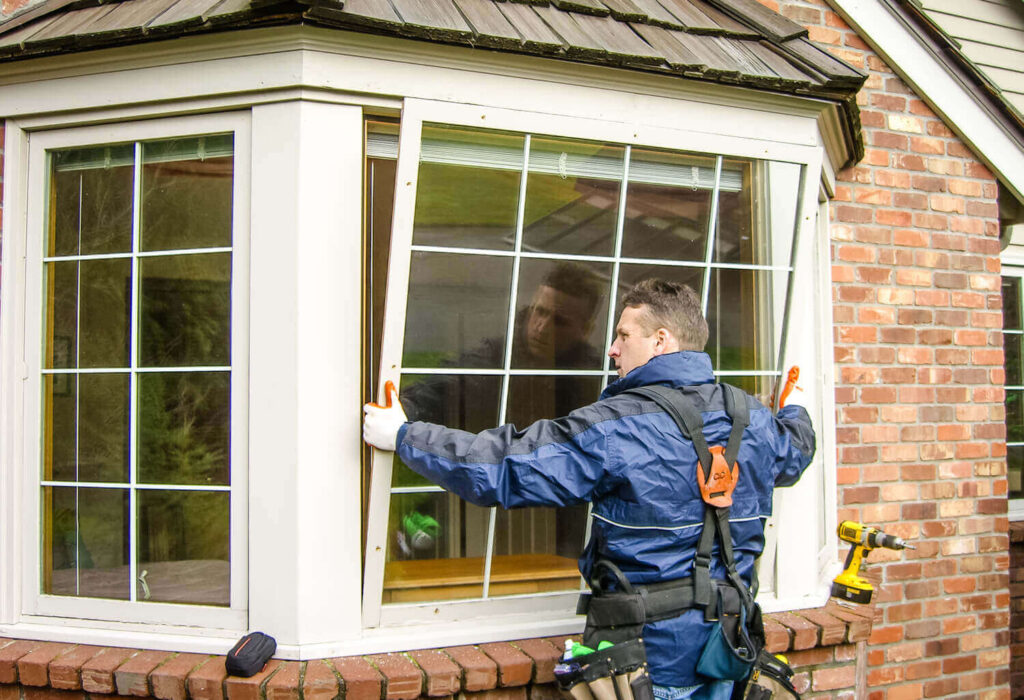
Window Repair vs Replacement

When harsh weather strikes, traditional materials often pay the price. Cracked windowpanes, shattered acrylic, and weakened glass panels are common after heavy winds, hailstorms, and extreme temperature swings.

If you’re tired of replacing the same materials, it may be time to upgrade to a material engineered for impact and resilience.

Clear polycarbonate sheets from Acme Plastics offer a powerful alternative to glass and other brittle plastics. Polycarbonate delivers superior strength, long-term durability, and dependable performance in challenging environments.

Continue reading Clear Polycarbonate Window Replacement: The Ultimate Choice

Why Twinwall Polycarbonate Greenhouse Panels Deliver More Predictable Growing Results

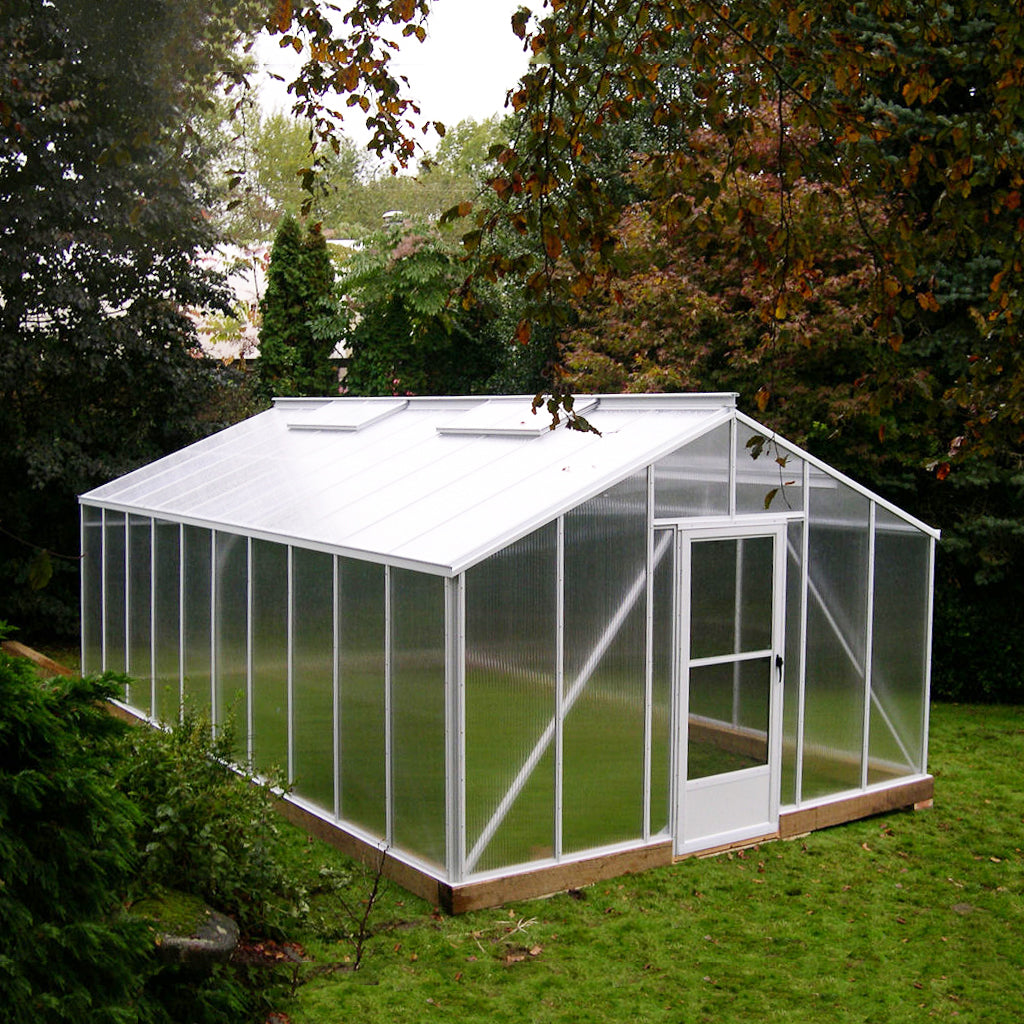
Twinwall polycarbonate green house

From trendy Victorian styles exuding old-world charm to Zen-inspired builds creating harmony with the environment to minimalist designs that deliver a functional simplicity, greenhouses are transforming into stunning architectural spaces. But at the end of the day, a greenhouse needs to be more than an aesthetic structure to yield successful plants. It needs to deliver environmental control to manage temperature swings and uneven light to counteract rising energy costs. The solution lies in the material used for the build. Twinwall polycarbonate greenhouse panels are a cost-effective solution as they have thermal insulation and diffuse light to create consistent, even conditions for plant growth. Compared to glass and acrylic, twinwall polycarbonate greenhouse panels will help achieve the consistency and efficiency a grower is looking for.

Key Takeaways

  • Greenhouse performance depends on material choice. Twinwall polycarbonate greenhouse panels outperform glass and single-wall plastics by delivering more consistent temperature control and light distribution.
  • Light diffusion matters more than clarity. Twinwall polycarbonate diffuses sunlight to eliminate hotspots and shadows, supporting healthier, more uniform plant growth and improved yields.
  • Superior thermal insulation reduces energy costs. With up to 60% better insulation than glass, twinwall polycarbonate helps retain heat in winter and resist overheating in summer, lowering heating and cooling expenses.
  • Built for durability and real-world conditions. Twinwall polycarbonate is impact-resistant, weather-tough, UV-protected, and far less prone to cracking, shattering, or degradation than glass.
  • Lower long-term costs beyond the panels themselves. Lightweight construction reduces shipping, labor, and framing requirements while making installation easier for DIY and commercial builds.
  • Flexible for custom greenhouse designs. Panels can be cut, drilled, cold-bent, and used with multiple framing materials, making them ideal for backyard, commercial, and research greenhouses.
  • Choosing the right thickness is critical. Panel thickness should align with climate, structure size, and usage—expert guidance helps ensure long-term performance and reliability.

Continue reading Why Twinwall Polycarbonate Greenhouse Panels Deliver More Predictable Growing Results

Common Plastics for the Sports Industry and Their Applications

To begin with, it is widely understood that common plastics for the sports industry are used in nearly every aspect of modern sports, from athlete protection to facility construction and event branding. Hence, some of the most common applications include:

  • Protective Barriers & Shields: Polycarbonate panels provide clear, impact-resistant enclosures in hockey rinks, batting cages, and stadiums, keeping both athletes and spectators safe.
  • Athletic Equipment: ABS and UHMW plastics are used in helmets, padding, and protective guards to deliver lightweight strength.
  • Facility Construction: HDPE is a popular choice for locker room benches, wall panels, flooring, and other high-traffic areas due to its durability and moisture resistance.
  • Signage & Branding: Acrylic and expanded PVC boards allow for crisp, professional signage in stadiums, gyms, and recreational events.
  • Outdoor Sports & Recreation: UV-stabilized plastics ensure long-term performance in scoreboards, field enclosures, and playground equipment.

In addition, these applications showcase how plastic materials for sports facilities are essential for both safety and performance, providing solutions that traditional materials cannot match.

Key Takeaways for Common Plastics in the Sports Industry

  • Plastics are integral to modern sports—used in everything from athlete protection and facility construction to signage and event branding.
  • Polycarbonate, acrylic, HDPE, UHMW, and ABS are among the most common materials, chosen for their impact resistance, clarity, strength, and versatility.
  • Protective barriers and sports equipment benefit from plastics’ lightweight durability and superior safety performance.
  • Facility construction and branding rely on moisture-resistant and visually appealing plastics for benches, wall panels, flooring, and signage.
  • Custom fabrication capabilities at Acme Plastics—such as CNC routing, forming, and precision cutting—ensure materials meet exact specifications for any sports project.
  • Emerging trends in the sports industry include sustainable and modular designs, recyclable materials, and advanced lightweight components for enhanced performance.
  • Acme Plastics partners with sports organizations to deliver reliable, high-performance materials and custom solutions tailored to every application.

Continue reading Common Plastics for the Sports Industry and Their Applications

Boosting Energy Efficiency in Data Centers with Twinwall Polycarbonate Containment Panels

Advances in AI technology are driving the growth of data centers, but they’ve been around for decades to host servers, data storage, and network equipment. Data centers are the most energy-intensive building type, according to the U.S. Department of Energy. A 2024 United States Data Center Energy Usage Report, released by the U.S. Department of Energy, found domestic energy usage from data centers expected to double or triple by 2028. The report finds that data centers consumed about 4.4% of total U.S. electricity in 2023 and are expected to consume approximately 6.7 to 12% of total U.S. electricity by 2028.Data center containment plastics like twinwall polycarbonate can support better cooling efficiency.

Boasting excellent thermal properties, superior impact resistance, light weight and safety, they work to maximizes uptime and reduce cooling time for the servers and IT equipment.

Key Takeaways for Data Center Efficiency

  • AI Growth Drives Higher Energy Demand: As artificial intelligence technology expands, U.S. data center energy usage is projected to double or triple by 2028—making energy efficiency a top priority for facility managers.
  • Boost Cooling Performance with Containment Plastics: Hot and cold aisle containment systems made with twinwall polycarbonate prevent air mixing and can cut cooling energy costs by up to 30%, improving overall data center performance.
  • Why Twinwall Polycarbonate Is the Smart Choice: This lightweight, durable, and flame-rated plastic offers better insulation and impact resistance than glass or metal, ensuring safer and more efficient data center operation.
  • Meet Safety and Compliance Standards: Twinwall polycarbonate sheets comply with NFPA 75 and 76 fire safety standards, supporting both temperature control and fire protection for critical IT equipment.
  • Sustainable and Cost-Effective ROI: Long-lasting and low-maintenance, twinwall polycarbonate delivers measurable energy savings and quick return on investment, helping data centers operate smarter and more sustainably.
  • Partner with Acme Plastics: Explore flame-rated twinwall polycarbonate panels in custom sizes and finishes from Acme Plastics to build safer, more energy-efficient data centers.

Continue reading Boosting Energy Efficiency in Data Centers with Twinwall Polycarbonate Containment Panels

The Best Hurricane Signage Materials and Non-Residential Barrier Solutions

Hurricane Prep Materials

Businesses, schools, and organizations face unique risks during hurricane season. Besides securing a physical location against storm threats, they need to protect all assets and any occupants inside. From securing windows and doors to selecting the best materials for interior walls and outdoor signage, there is more to consider when planning hurricane protection for a non-residential space, including the best hurricane signage materials and storm-resistant plastic sheets.

Key Takeaways

  • Businesses need more than plywood for protection. While affordable, plywood is heavy, single-use, and difficult to install for large storefronts or signage.
  • Polycarbonate panels offer superior exterior protection. Ideal for windows and doors, polycarbonate resists high winds, flying debris, and potential post-storm break-ins.
  • Expanded PVC strengthens interiors. This water-, mold-, and pest-resistant plastic is excellent for walls and surfaces in high-traffic commercial spaces.
  • Choose hurricane-rated signage materials. Acrylic and PVC are durable, weather-resistant options for permanent displays, while corrugated plastic signs should be stored indoors during storms and reused afterward.
  • Storm-resistant plastics protect community infrastructure. Schools, hospitals, and municipal buildings benefit from polycarbonate storm windows, protective LED display covers, and expanded PVC as a wood alternative.
  • Plastic sheets deliver long-term value. Unlike plywood, storm-resistant plastics are reusable, lightweight, and easy to install and store—making them a more cost-effective solution over time.
  • Acme Plastics provides custom, reliable hurricane protection. Businesses and organizations can order bulk quantities, custom cut sizes, and enjoy nationwide delivery for all storm-prep materials. Continue reading The Best Hurricane Signage Materials and Non-Residential Barrier Solutions

5 Reasons to Use Twinwall Polycarbonate Greenhouse Panels


Greenhouse twinwall panels

Whether you are a horticulturist or a newbie gardener, there are a variety of materials to consider when constructing a greenhouse—glass, fiberglass, acrylic, and polycarbonate—but the most common choices are polycarbonate or glass. A great greenhouse material not only provides light transmission, insulative properties, and weather-resistance, but it should be easy to install and maintain. While glass is sturdy and provides superior optical clarity, it can shatter from impacts and requires professional installation due to its weight. Instead, consider twinwall polycarbonate as a modern, durable alternative. The thermoplastic meets the demands for greenhouses—light transmission, insulation, exceptional strength making it virtually indestructible—and its light weight makes it easy to install and it’s even easier to maintain. Here, we discuss five reasons why twinwall polycarbonate greenhouse panels are the best choice for durable greenhouse structures.

Continue reading 5 Reasons to Use Twinwall Polycarbonate Greenhouse Panels

The Best Plastic for Outdoor Furniture That Lasts

When it comes to outdoor furniture, durability is everything. Nobody wants to replace cracked chairs or faded tables every season. That’s why choosing the best plastic for outdoor furniture is more important than ever. As materials evolve, plastic has become a top choice for long-lasting, low-maintenance furniture that still looks great in your backyard or patio.

So, what makes one plastic better than another for outdoor use? And which types should you be looking for if you want furniture that stands up to sun, rain, and years of use? Let’s break it down.

Continue reading The Best Plastic for Outdoor Furniture That Lasts

Why Die Cutting Companies Prefer Plastic Sheets

{
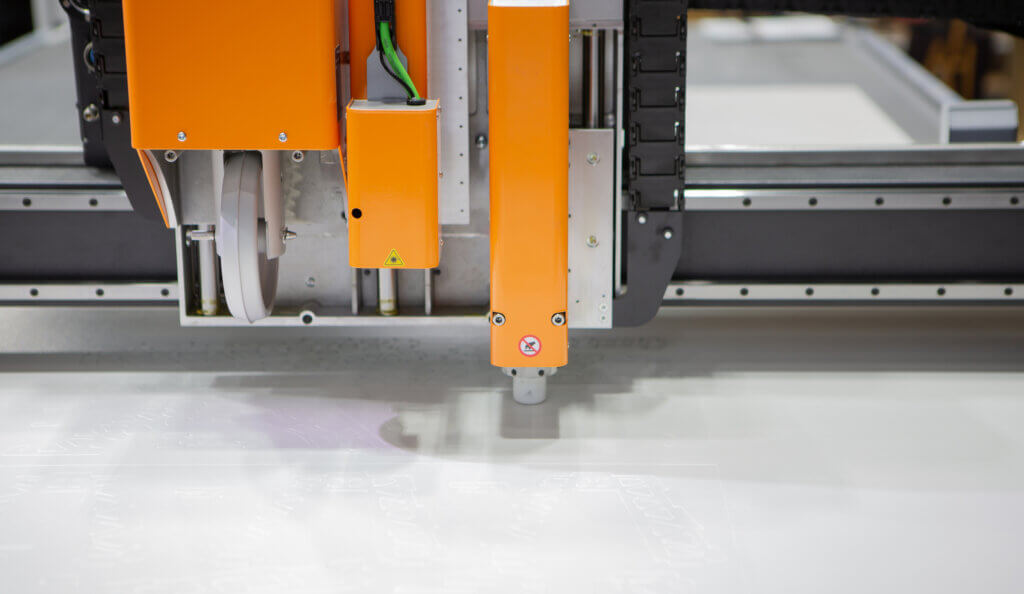
Digital die cut machine cutting plastic sheet. Industrial manufacture.

To begin with, die cutting is a precision-driven process used across industries—from packaging and retail signage to automotive and industrial components. While traditional materials like paperboard and cardboard have long been used, more and more die-cutting companies are turning to plastic sheets for their consistency, efficiency, and durability. At Acme Plastics, we carry a diverse range of plastic materials to meet the unique needs of die-cutting professionals. Below, we will explore some of the advantages of using plastic instead of similar materials for die-cutting purposes.

Continue reading Why Die Cutting Companies Prefer Plastic Sheets

Why Handymen Want Plastic Sheets for Home Repair

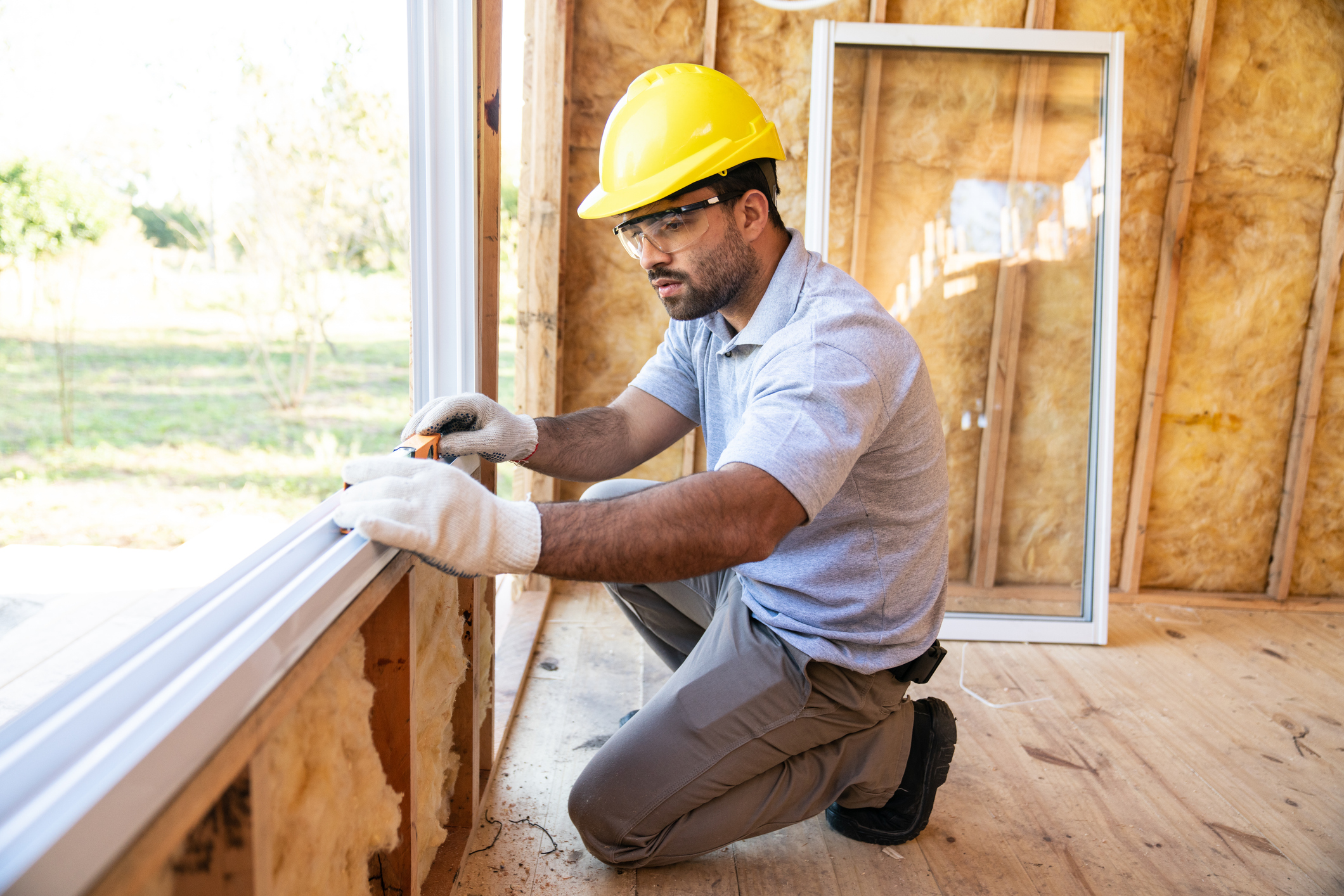
Home repair projects often require materials that are both durable and affordable. In recent years, many handymen have turned to a surprising solution: plastic sheets. Whether it’s a quick backsplash upgrade or a long-term fix in a high-moisture area, plastic sheets for home repair are making the job easier, faster, and more cost-effective.

Thanks to advances in manufacturing, today’s plastics are strong, versatile, and attractive. For handymen working on tight schedules and budgets, plastic sheets offer a smart alternative to heavier, more expensive materials. To better understand their growing popularity, let’s take a closer look at how plastics are transforming everyday handyman projects.

Continue reading Why Handymen Want Plastic Sheets for Home Repair

Top Plastics Used in Trade Shows and Modular Displays

Trade Show Displays

Trade shows are fast-paced, high-impact events where your booth needs to stand out, visually and structurally. Well-designed trade show displays can attract attention, showcase products, and help your brand leave a lasting impression.

But there’s a lot that goes into building a booth that checks all the boxes. You want it to be eye-catching but also easy to move, set up, and take down. That’s where plastics come in.

Additionally, plastics have become one of the most popular materials for building trade show displays—and for good reason. Let’s take a look at why plastics are ideal for trade show booths and which materials are most commonly used.

Continue reading Top Plastics Used in Trade Shows and Modular Displays

How to Choose the Right Plastic for Indoor vs. Outdoor Signage

indoor vs. outdoor signage

Indoor vs. Outdoor Signage: How do you choose the one that’s best for your business? Both indoor and outdoor signage are important but there are differences that can help you decide which plastic is right.

Indoor signage provides product information (price, descriptions, directions, menus, and more) while outdoor signage is used to draw customers into your store. You also need to consider the impact of location on the material’s performance and longevity. Here, we look at the best plastics for indoor and outdoor signage, as well as their common uses so you can make the best decision for your business.

Continue reading How to Choose the Right Plastic for Indoor vs. Outdoor Signage

Best Plastics for Saltwater, Freshwater, & Brackish Water

best plastics for saltwater

Choosing the right plastic for your marine applications is about ensuring longevity, safety, and performance for your project. Whether you’re constructing a seawall, outfitting a boat, or setting up an aquarium, the material you select must be able to endure saltwater’s corrosive effects. Each environment presents unique challenges, and selecting the right plastic for these conditions is crucial for long-lasting performance. In this guide, we’ll explore the best plastics for saltwater, freshwater, and brackish water applications.

Continue reading Best Plastics for Saltwater, Freshwater, & Brackish Water

The Best Materials for Plastic Picture Frames


plastic picture frames

Creating custom frames doesn’t have to be difficult. There is a wide variety of materials available to choose from—and what you choose will depend on your budget, what you’re displaying, and where you are displaying it—just to name a few. Here, we discuss the best plastic materials for plastic picture frames and plastic art frames to help you decide what is best for your project.

Continue reading The Best Materials for Plastic Picture Frames

Choosing the Right Signage Materials for Your Business: A Comprehensive Guide


signage materials

There’s no denying that signage is an essential component of many businesses’ branding and marketing strategies. And, just as important as the creative design you choose to display on each sign is the materials you use to create it. The right signage material ensures visibility, durability, and cost-effectiveness while aligning with your brand’s aesthetics, making it a crucial yet underrated decision. We’re here to help you navigate through some of the most common signage materials so you can choose what you need with confidence. Read on to find out more.

Continue reading Choosing the Right Signage Materials for Your Business: A Comprehensive Guide

A Complete Guide to Buying Export Plastic Sheets

industrial plastic export

Working directly with an exporter provides a seamless process—especially if you find one that stocks a variety of sizes and thicknesses to suit your needs, has a wide range of materials to choose from, and offers a convenient ordering and delivery process. You also want a company that knows the importance of clear communication to facilitate export plastic ordering and freight delivery needs. However, in order for an export plastic purchase to go smoothly, you also need to know how to choose the right plastic sheets for your project. Here are six steps to help you make the best selection.

Continue reading A Complete Guide to Buying Export Plastic Sheets

5 Things You Need to Know Before Buying Plastic Sheets for Export: A Buyer’s Checklist


exported plastic sheets

When sourcing plastic sheets for export, making informed decisions is essential for ensuring the right materials, cost-effectiveness, and a seamless purchasing process. Working directly with exporters like Acme Plastics offers advantages such as access to a wide variety of materials, competitive pricing, and dependable quality. Whether you’re a business owner, contractor, or distributor, this checklist will guide you through the key steps to confidently purchase plastic sheets for export.

Continue reading 5 Things You Need to Know Before Buying Plastic Sheets for Export: A Buyer’s Checklist

Hurricane Storm Panels: Multiwall Polycarbonate vs. Aluminum vs. Plywood

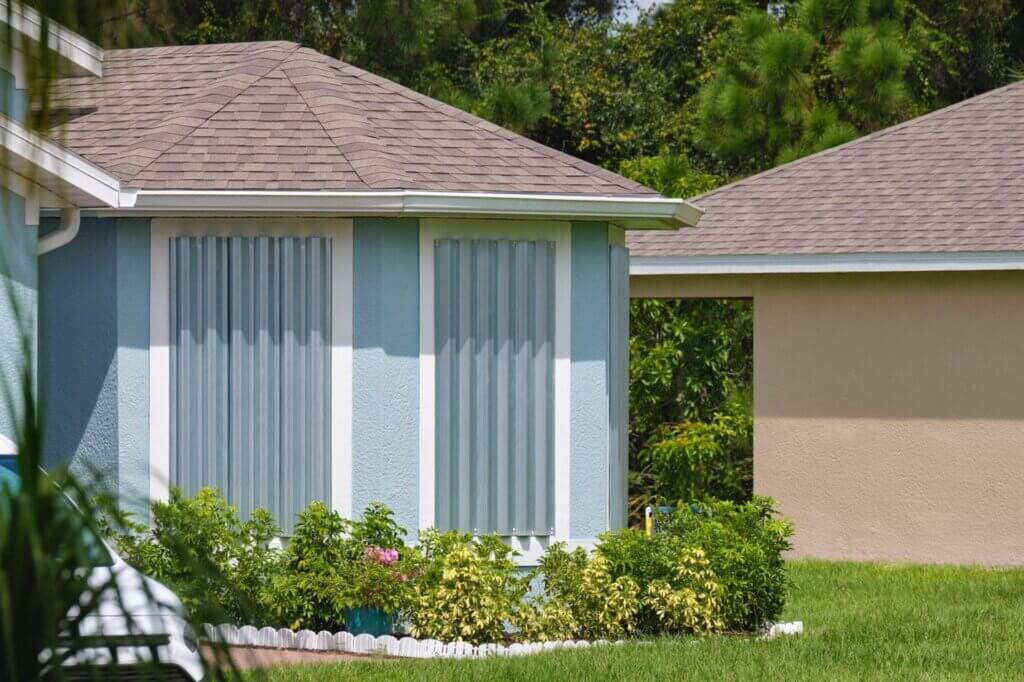
Hurricane storm panels on a home

When it comes to protecting your home with hurricane storm panels, you have a few options: multiwall polycarbonate, aluminum, and plywood. Your decision will come down to some key considerations: strength, durability, ease of installation, budget, etc. We compare these top three materials used for hurricane protection to help you find the right protection for you.

Regardless of which materials hurricane storm panels you ultimately purchase, you want a product or system that has been tested and certified as passing one of the large missile (i.e. 9-lb 2×4 wood member striking end on at a specified impact speed) impact-resistant standards. See Local and National Standards to get more information on the various test standards and performance requirements.

Continue reading Hurricane Storm Panels: Multiwall Polycarbonate vs. Aluminum vs. Plywood

How to Install Multiwall Polycarbonate Hurricane Panels


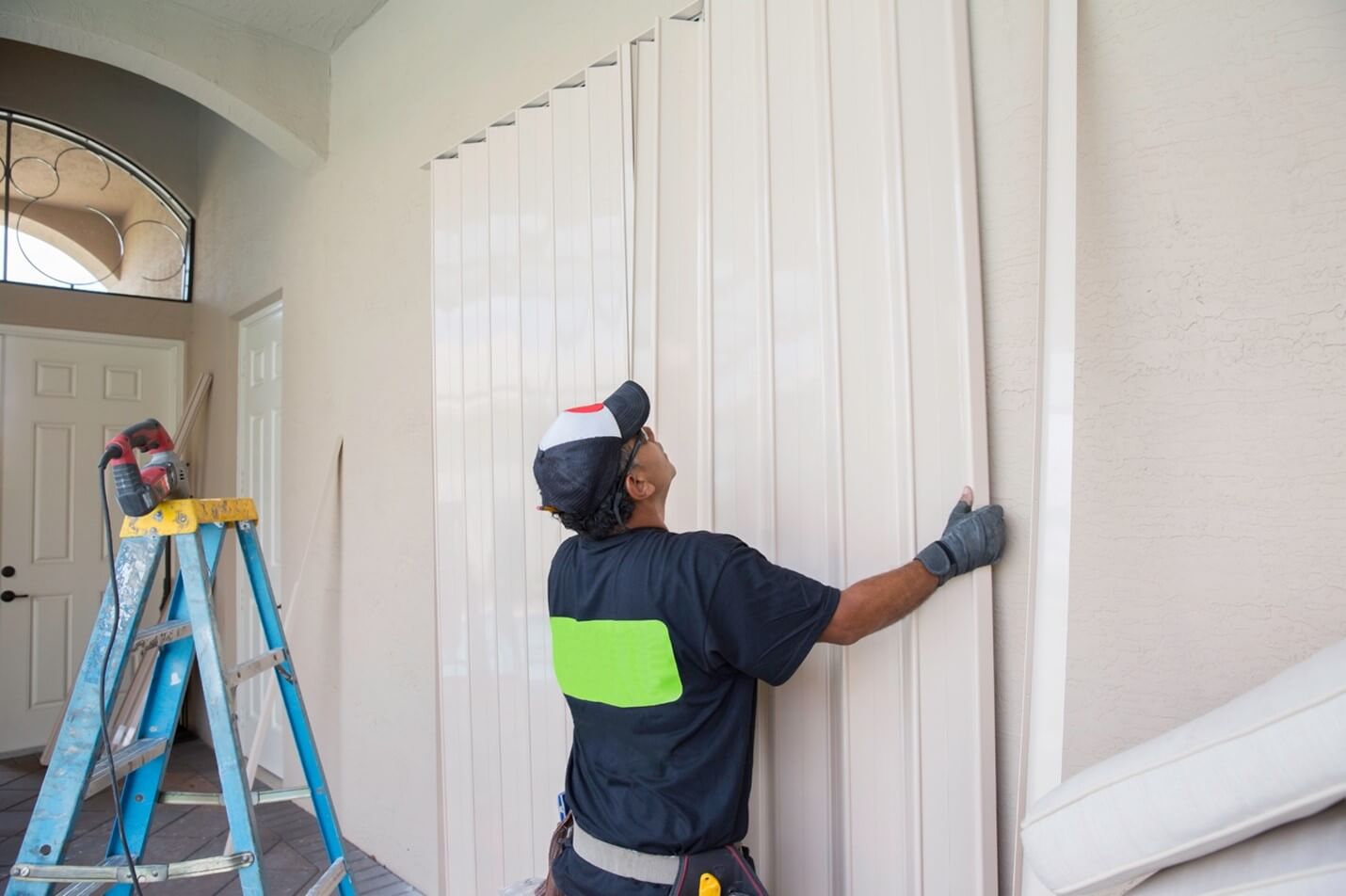
A man installing hurricane panels on his home

If you’ve used plywood to protect your home from hurricanes in the past, hurricane panel installation using multiwall polycarbonate is a doable DIY. Like plywood, polycarbonate hurricane panels can be direct mounted to your home without the use of installing a framing system, but they are lighter, transparent, and can be reused. Here’s what you need to know (about tools, materials, and maintenance) and how to install hurricane panels.

Continue reading How to Install Multiwall Polycarbonate Hurricane Panels

Multiwall Polycarbonate Hurricane Panels: The Ultimate Defense Against Hurricane


Installation of hurricane panels

Hurricanes are the costliest weather disasters in the United States. According to the NOAA Office for Coastal Management, tropical cyclones (hurricanes) have caused over $1.3 trillion in damages from storms that occurred between the years 1980 and 2023.

Hurricane hazards, including high-velocity winds and torrential rain, are extremely destructive and pose risks to both life and property. If you live or own property in a hurricane-prone area, FEMA recommends you reinforce, strengthen, or retrofit the property to reduce the risk of damage. Having the proper protection in place to board up glass windows and doors is one essential and provides peace of mind if you need to evacuate. An effective material to help defend your home from damage is multiwall polycarbonate hurricane panels. Below, we discuss what they are and how they can help.

Continue reading Multiwall Polycarbonate Hurricane Panels: The Ultimate Defense Against Hurricane

How to Install a Pergola Using Twinwall


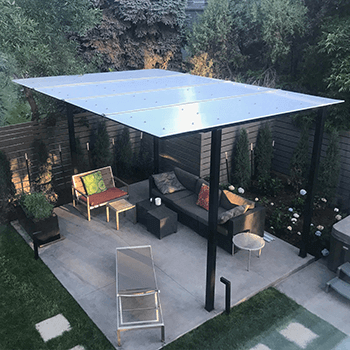
Twinwall pergola installed in a backyard

When it comes to extending the life of your pergola and enhancing its features, it’s crucial to carefully choose the quality of the materials you use to build it. Twinwall polycarbonate panels from Acme Plastics are an excellent, durable choice for your pergola roof, as they are lightweight, easy to install, and offer optimal light transmission. Twinwall polycarbonate is also thermally efficient because it traps air between the layers of its sheeting. While it offers many benefits, you need to be cautious when learning how to install a pergola roof panel properly. Below is a comprehensive guide on how to install a pergola roof with Twinwall panels from Acme Plastics.

Continue reading How to Install a Pergola Using Twinwall

How to Clean a Polycarbonate Pergola Roof

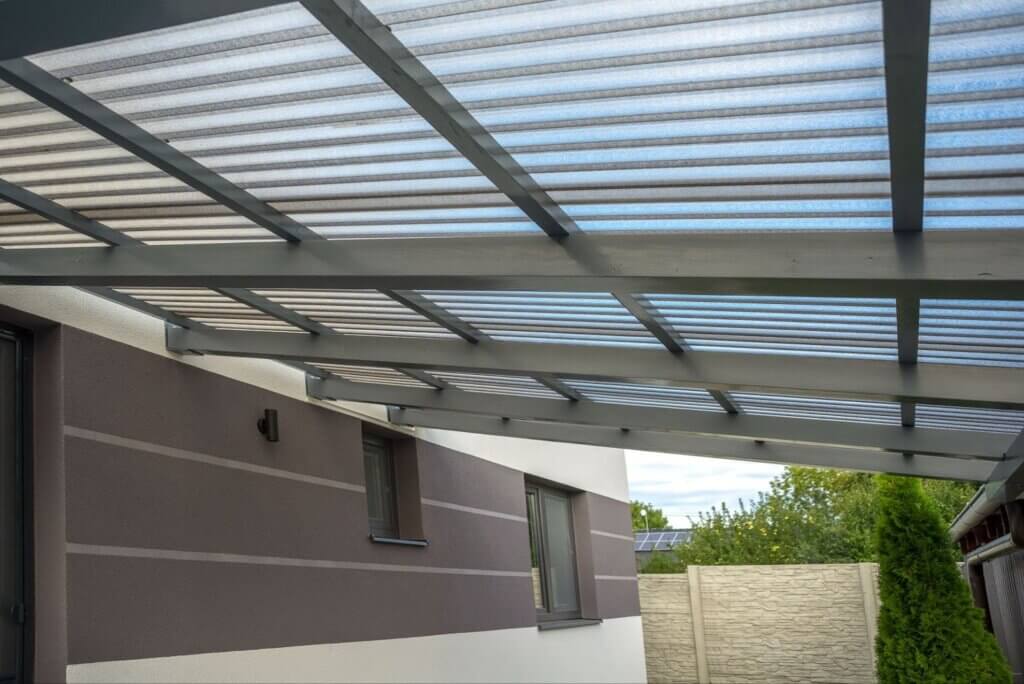
There’s nothing more relaxing than sitting in the shade on a beautiful, sunny day. One way to enjoy the outdoors without exposing yourself to the sun’s harmful rays and extreme heat is with a polycarbonate pergola roof. One of its many benefits is that the material is relatively low maintenance, so you can enjoy it for many years without wasting time on treatments or constant cleaning.

Of course, it’s important to care for your investment, and knowing how to clean your polycarbonate pergola roof will ensure it will be at your disposal for plenty of summers in the future.

How to clean your polycarbonate roof

Continue reading How to Clean a Polycarbonate Pergola Roof

Why Polycarbonate Is The Right Roofing Material For A Greenhouse

Whether you are a hobbyist or a certified horticulturist, you rely on a greenhouse for year-round gardening. If you are building a new greenhouse or replacing any panels, you need to consider a greenhouse roof material that offers light transmission and heat properties. There are a variety of roofing materials—each with its own unique physical and aesthetic properties. What you ultimately choose depends on what type of structure you are putting a roof on. While metal might be the right material for a gardening shed, you wouldn’t want to use it on a greenhouse. You want a translucent material that provides thermal insulation as well as protection. Traditional materials for a greenhouse roof include glass, fiberglass, acrylic, and polycarbonate panels. Polycarbonate roofing panels, such as  twinwall and multiwall polycarbonate sheets, can be used as roofing panels and greenhouse panels. The panels are an ideal roofing material for greenhouses due to their lightweight properties, cost-effectiveness, and insulation capabilities.

Here, we go into more details on those properties, plus a few more reasons on why polycarbonate is a great greenhouse roof material.

Key Takeaways

  • Polycarbonate panels allow up to 90% of light to pass through, offering glass-like clarity while retaining heat 60% better than glass.
  • With 250 times the strength of glass, polycarbonate resists cracking, breaking, and damage from hail or debris, making it a highly durable greenhouse roofing option.
  • Polycarbonate provides up to 60% more thermal insulation than glass, helping reduce heat loss, lower energy costs, and create a stable environment for plants.
  • At half the weight of glass, polycarbonate panels are easier to ship, handle, and install, while also reducing stress on the greenhouse structure.
  • Acme Plastics offers standard twinwall and multiwall sheets, along with custom sizes and thicknesses to meet the specific needs of any greenhouse project.

Continue reading Why Polycarbonate Is The Right Roofing Material For A Greenhouse

Best Practices for Choosing a Plastics Supplier

Plastic is flexible, literally, and figuratively, providing a wide range of use cases. It can used to keep us safe, such as bullet-resistant shields and eyewear lenses. It can be energy efficient, such as greenhouse panels and UV-resistant acrylic windows. It can used to provide style and function, such as acrylic furniture and retail displays. But no matter what you are using it for, you want plastic to be made from high quality materials from a reputable plastic supplier.

Acme Plastics uses the highest quality materials available to distribute, fabricate, and manufacture products. Then there’s selection, stock, shipping, service, and satisfaction to consider. At Acme Plastics, we are proud to offer all the above—and competitive pricing. Read on to learn more about these best practices that we’ve adhered to as a plastic supplier in the USA since 1943.

Continue reading Best Practices for Choosing a Plastics Supplier

How to Cut Corrugated Plastic Roofing (or PVC Roofing)

Whether you’re in the construction industry or a DIY-er in your own home, you want materials that are strong, yet easy to work with on a variety of projects. So it makes sense that corrugated plastic roofing is so popular. Made of polycarbonate thermoplastic polymer material. corrugated plastic roofing boasts an octagonal-wave shape (hence its corrugated look). The flexible, yet durable, material is weather resistant, remaining strong during strong impacts (including wind and hail) and temperatures from -40°F to +270°F. And corrugated plastic roofing won’t degrade or deteriorate over the years, making it a solid investment for any homeowner. While corrugated plastic roofing is easy to install, you will have to cut the sheets to fit your project needs. Not sure where to start? Here is a rundown on how to get the job done.

Key Takeaways

  • Corrugated plastic roofing is durable, flexible, and weather-resistant, making it ideal for DIY and construction projects.
  • You can cut corrugated plastic using a Stanley knife or circular saw, depending on the sheet thickness and desired precision.
  • Always follow safety precautions, including using protective gear and setting up a clean, dedicated workspace.
  • Mark your cut line with a felt-tip pen and straight-edge ruler, then cut along the line while securing the sheet to prevent chipping.
  • Smooth cut edges with an emery cloth after cutting to ensure a clean, professional finish on your roofing panels.

Continue reading How to Cut Corrugated Plastic Roofing (or PVC Roofing)

Your Guide to Plastic Recycling Symbols

There are several recycling symbols, many of which can become confusing if you aren’t up to speed on what they mean. With that said, we’re highlighting how these unique numbers can indicate the type of plastic, and what they mean when it’s time to recycle them. By understanding the meaning behind these symbols, you’ll be better equipped to help reduce waste, limit your carbon footprint, and help the environment.

Let’s look at some of the most common recycling symbols and how you can ensure that your plastic sheets, tubes, and rods make it into the correct bin.

Key Takeaways

  • Plastic recycling symbols don’t guarantee recyclability — the number inside the “chasing arrows” triangle identifies the type of plastic and helps determine proper disposal or recycling methods.
  • PETG (Symbol 1) and HDPE (Symbol 2) are widely accepted by curbside recycling programs and are often reused in packaging, furniture, and household products.
  • PVC (Symbol 3) and LDPE (Symbol 4) are less commonly recycled and may require special facilities or are often repurposed in industrial applications.
  • Acrylic and polycarbonate fall under Symbol 7 plastics, which aren’t always recyclable, but can often be repurposed due to their thermoplastic properties.
  • Knowing your plastic types helps reduce landfill waste, improves sorting accuracy, and supports a more sustainable approach to using plastic sheets, rods, and tubes.

Continue reading Your Guide to Plastic Recycling Symbols